How to Choose Non-Toxic Toys: A Beginner’s Guide for Holiday Shopping
Choosing toys for our kids should feel joyful — but for many parents, holiday shopping can quickly become overwhelming. Between flashy packaging, trending toys, and endless online options, it’s hard to know what’s actually safe, healthy, and worth bringing into your home.
If you’re new to non-toxic living (or just trying to be more intentional during the holidays), this guide is for you. You don’t have to get everything “perfect” to make better choices. Learning what to look for — and what to skip — is a powerful first step.
Here’s a simple, realistic guide to choosing non-toxic toys for holiday shopping, without stress or fear-based overwhelm.
Why Non-Toxic Toys Matter (Especially During the Holidays)
Toys get chewed, mouthed, slept with, and carried everywhere. That means materials matter — especially for babies and young children.
Many conventional toys are made with plastics, synthetic dyes, flame retardants, or heavy metals that can off-gas or transfer through touch. Choosing safer toys helps reduce unnecessary chemical exposure during a season when kids are going through so much growth and development (and in repeated, frequent contact with their toys).
The goal isn’t to eliminate everything or do everything perfectly — it’s to empower ourselves with the knowledge to choose safer alternatives, especially when we’re already shopping for something new.
What “Non-Toxic” Really Means (And What It Doesn’t)
One of the most confusing parts of toy shopping is the word non-toxic itself. Unfortunately, it’s not a regulated marketing term.
Instead of relying on labels alone, look at:
Materials
Certifications
Brand transparency
A toy doesn’t need to be labeled “non-toxic” to be a safer choice — but it should clearly state what it’s made of and how it’s tested.
If this confuses you as much as it did me when I first started researching what non-toxic really means, check out my post on Greenwashing 101: How to Spot It and Avoid Being Misled.
The Safest Toy Materials to Look For
When in doubt, simpler is better. These materials are generally considered safer and more durable for kids:
Solid wood
Look for unfinished wood or wood finished with water-based, non-toxic paints or oils.
Organic cotton or natural fibers
Great for dolls, stuffed animals, play silks, and dress-up items. Organic materials reduce pesticide exposure and tend to be gentler on sensitive skin.
Natural rubber
Often used for baby toys and teethers. Look for brands that specify natural rubber and avoid added fragrances or synthetic dyes.
Food-grade silicone
A safer alternative to plastic for certain toys, especially for babies. Look for silicone that is BPA-, BPS-, PVC-, and phthalate-free.

Materials to Be Cautious With
You don’t need to panic — just be mindful.
Plastic toys
If choosing plastic, look for clear safety info like BPA-free, PVC-free, and phthalate-free. Avoid toys with strong chemical smells.
Painted or coated items
Always check that paints are water-based and non-toxic, especially on wooden toys.
Electronics with limited transparency
I have found that many battery-operated plastic toys don’t disclose their materials. I also strictly avoid button batteries in my home due to the severe safety hazards they pose if swallowed by a child (my toddler knows if she is gifted any toys with button batteries, we remove and safely discard the battery before she is allowed to play with it).
Certifications That Actually Matter
Certifications can help cut through marketing language and give you a little more confidence when shopping. While no toy needs every certification, one or two meaningful ones can signal higher safety standards.
GOTS (Global Organic Textile Standard) for organic fabrics
GREENGUARD GOLD Certification which indicates products have been tested for low chemical emissions and better indoor air quality — especially helpful for toys used indoors or stored in playrooms and bedrooms
OEKO-TEX Standard 100 for tested textiles
FSC-certified wood for responsibly sourced wooden toys
ASTM safety standards for baseline toy testing
No toy needs all of these — even one trusted certification can be a helpful signal that a brand is prioritizing safer materials and transparency.
If you’re not sure where to start, check out my post on Certifications That Actually Matter (and the Ones That Don’t).
Age-Appropriate Toys Are Safer Toys
Toys designed for a child’s developmental stage are not only safer, they’re more engaging.
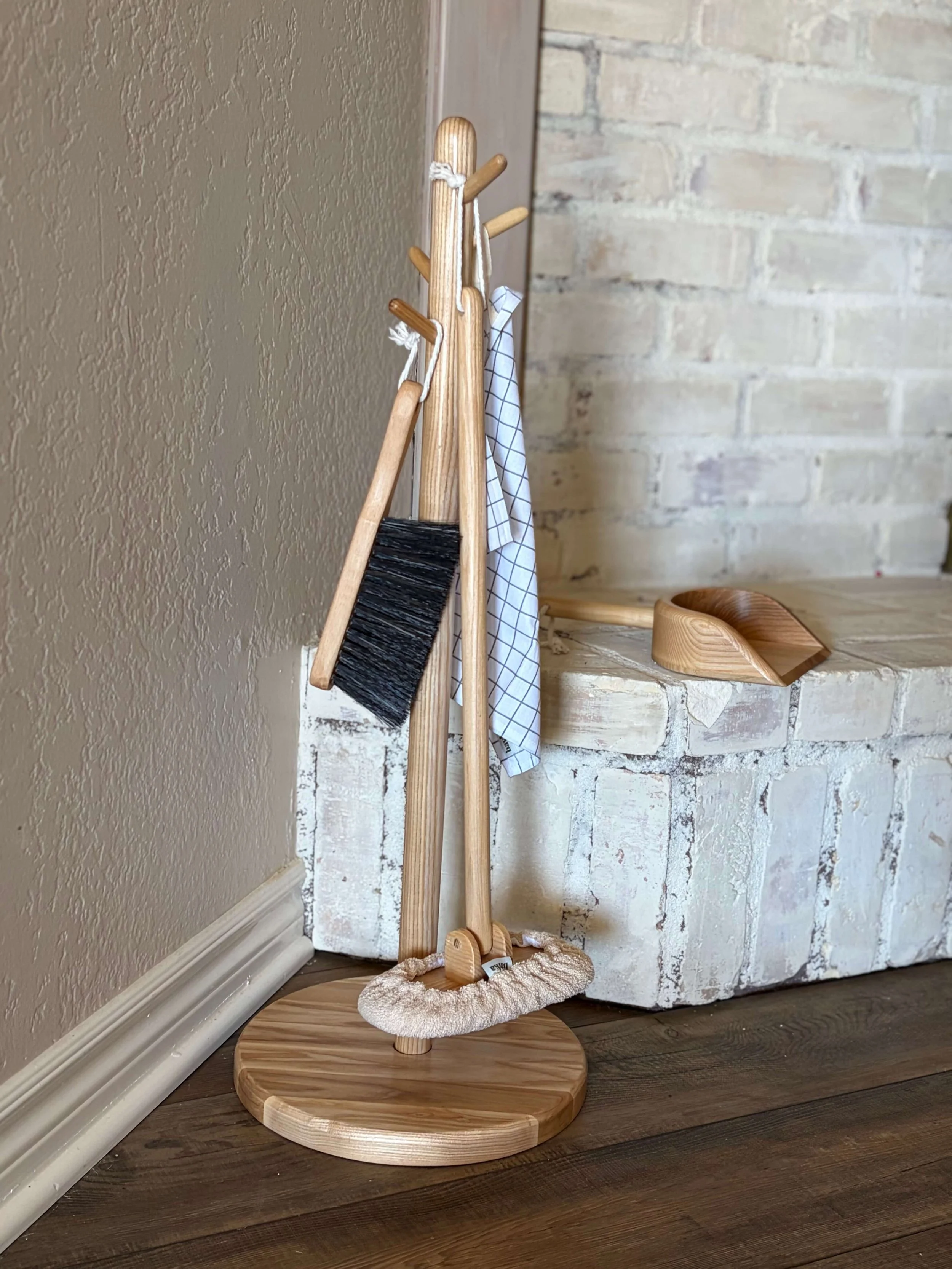
Open-ended toys — like blocks, dolls, animals, and art supplies — tend to grow with children and reduce the urge to overbuy. We especially love choosing non-toxic heirloom toys, since they can be enjoyed for years and often passed down.
If you’re looking for inspiration, this list of heirloom toys for kids that are non-toxic, eco-friendly, and built to last is a great place to start.
What to Know About Secondhand Toys
Buying secondhand can be a wonderful, sustainable choice — with a few caveats.
Skip older toys made before modern safety standards, especially:
Painted toys (possible lead paint)
Old plastic toys with unknown materials
Heavily worn items that could shed materials
Wooden toys, books, and simple fabric items are often great secondhand finds.
Don’t Forget the Non-Toxic “Extras”
Toys aren’t the only exposure during play.
Also consider:
Non-toxic art supplies (crayons, markers, paints)
Non-toxic play dough
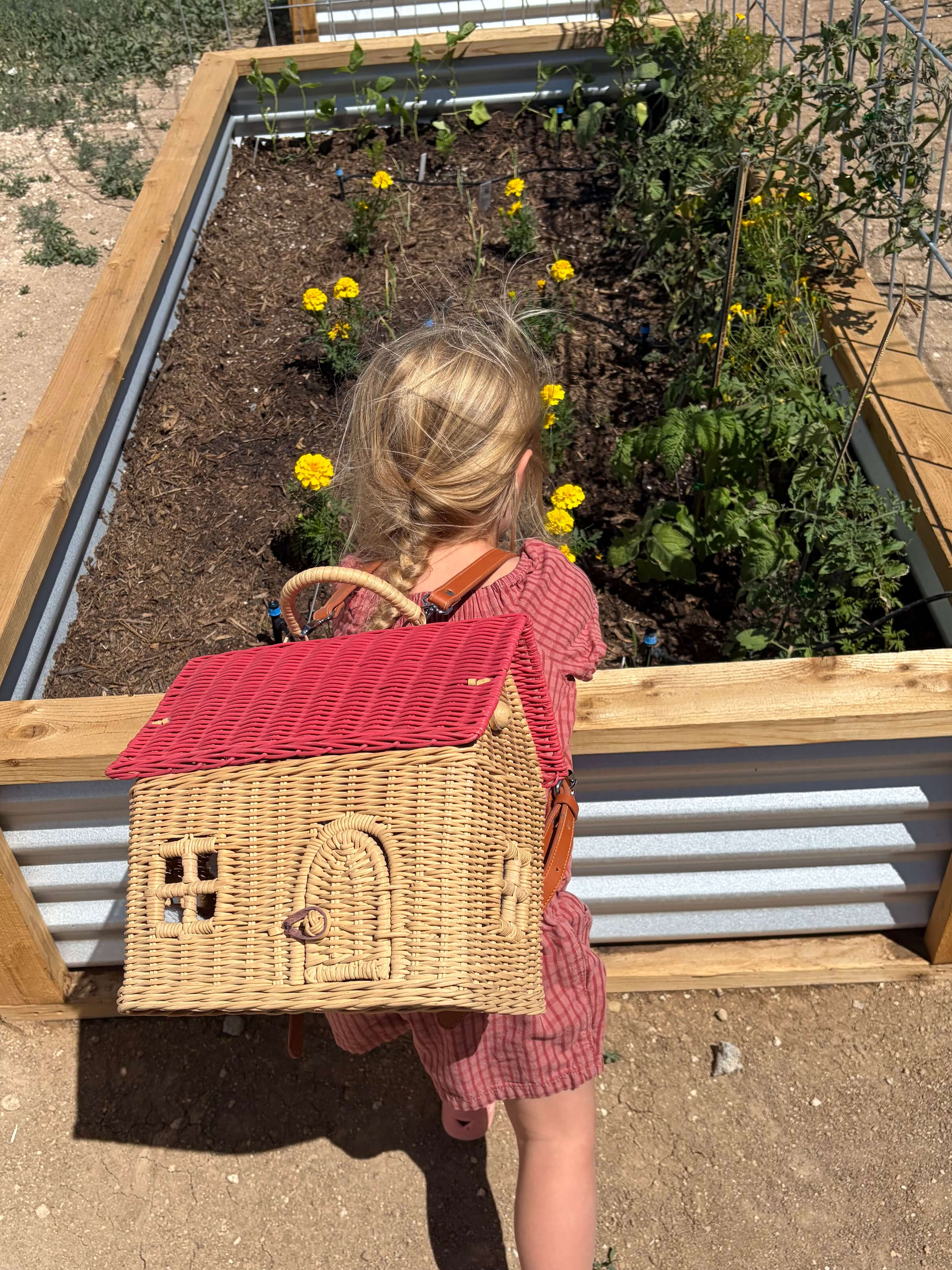
Safer storage options like fabric or wicker bins instead of plastic
These small swaps add up over time — especially when you consider the frequent and repeated exposure.
How to Shop Non-Toxic Without Spending More
This is one of the biggest concerns for parents — and it’s valid.
A few gentle strategies:
Choose fewer gifts, but higher quality
Ask family members to go in on one meaningful toy
Prioritize experiences alongside physical gifts
If you’re looking for smaller, budget-friendly options, these sustainable stocking stuffers for kids are a great way to keep holiday gifts thoughtful without overbuying. I usually choose just three to five items for my daughters’ stockings — they don’t need to be stuffed to feel special. A few intentional surprises often bring more joy than excess.
A Simple Non-Toxic Toy Shopping Checklist
Before you click “add to cart,” ask:
Do I know what this toy is made of?
Is it age-appropriate?
Will it grow with my child?
Does this brand share material and safety info openly?
If you can answer yes to most of these, you’re doing great.
Final Thoughts: Progress Over Perfection
Choosing non-toxic toys isn’t about fear or guilt — it’s about care. Every thoughtful choice helps create a healthier environment for our kids and a calmer home during the holidays.
Once you’ve chosen safer toys, pairing them with sustainable gift wrapping ideas helps keep the entire holiday experience more intentional and low-waste.
You don’t need to replace everything or get it all right this year. Start where you are, choose what feels manageable, and trust that small changes truly matter.
Latest on the blog