What “Non-Toxic” Really Means for Families (and Why It Matters)
When you see a product labeled “non-toxic,” it sounds simple: safe for your family, free of harmful chemicals. I used to feel reassured by this labeling too! But what does it actually mean?
The truth is, “non-toxic” isn’t regulated like “Greenguard Gold” or “USDA-certified organic.” It’s more of a guiding principle than a legal guarantee — which is why understanding what to look for matters, especially when you’re creating a safe home for kids, pets, and yourself.
Understanding Indoor Air Quality and Off-Gassing
Many household products — mattresses, furniture, rugs, cleaning products, even some baby toys — can release chemicals into the air. This is called off-gassing, and it can include volatile organic compounds (VOCs), flame retardants, or synthetic fragrances.
Non-toxic products aim to minimize these risks by:
Reducing or eliminating synthetic chemicals
Using natural or plant-based ingredients
Choosing materials that don’t off-gas harmful fumes
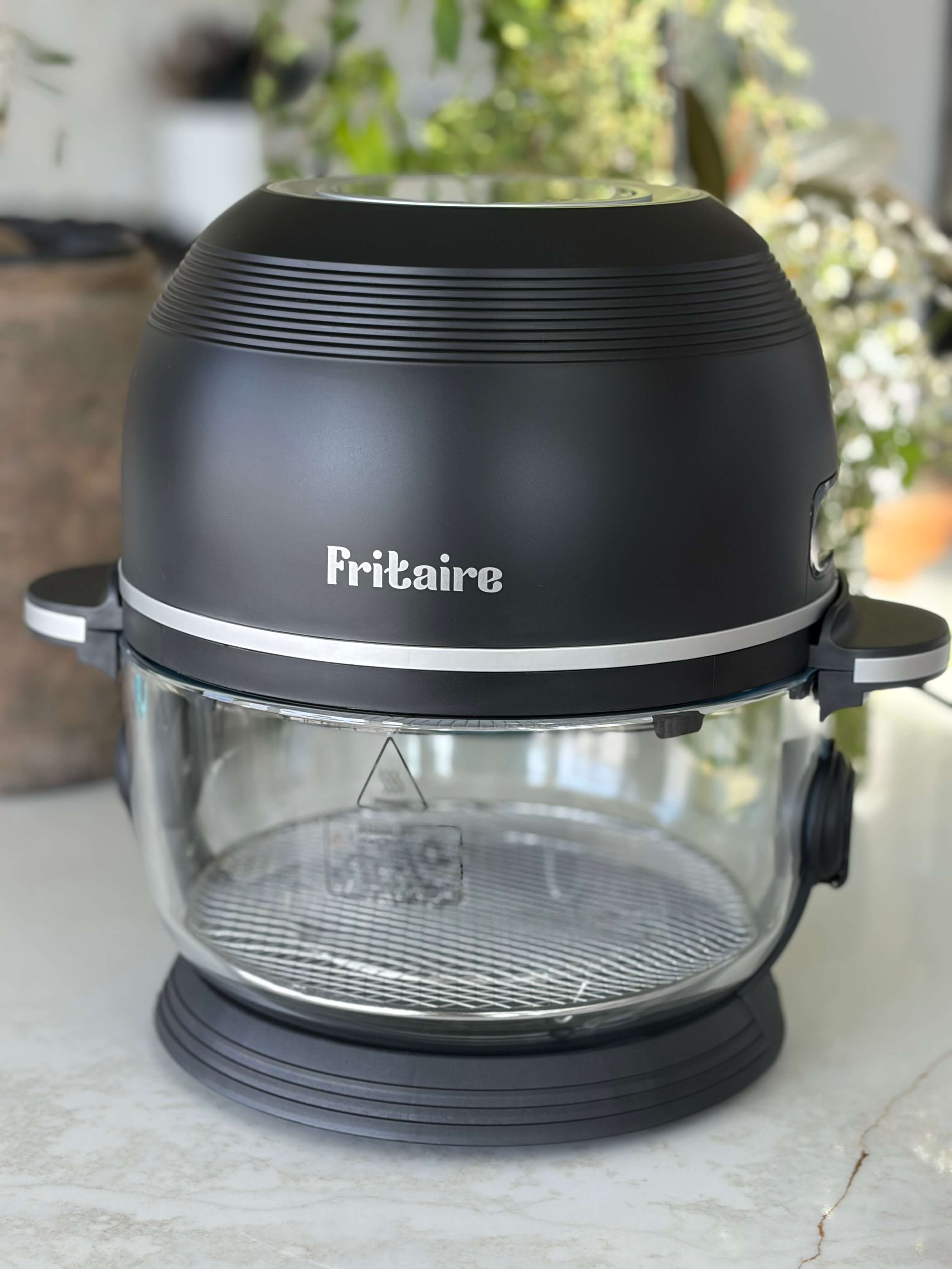
Better air quality isn’t just a “nice-to-have” — it can improve sleep, reduce allergies, and lower long-term health risks. We prioritize Greenguard Gold certified products in our bedrooms and main living areas, since these are where we spend most of our time indoors. We also use this air purifier in our bedroom and living room.
Unsure which seals to trust? Check out Certifications That Actually Matter.
Everyday Toxins That Sneak Into Homes
Even when a home looks clean, hidden toxins can lurk in:
Fragranced products: perfumes, cleaners, and candles often contain hormone-disrupting chemicals.
Flame retardants: common in mattresses, sofas, electronics and some children’s products.
PFAS (“forever chemicals”): found in non-stick cookware, stain-resistant fabrics, and some baby products.
Being non-toxic doesn’t mean perfection — it means awareness and intentional swaps. Try selecting one of these categories and making a few intentional swaps — each one adds up over time!
Learn how this ties into sustainability in Sustainable vs. Non-Toxic.
The Impact of Non-Toxic Living on Kids and Pets
Children and pets are more vulnerable to chemical exposures because their bodies are smaller and still developing. Simple non-toxic swaps — like organic bedding, fragrance-free cleaners, and safer skincare — can make a big difference over time.
It’s not about creating a “perfect” home. It’s about creating a healthier, safer environment, one conscious swap at a time.
And when you’re ready to apply it all at home, How to Transition to a Non-Toxic Home is your next stop.
Easy Non-Toxic Swaps to Start With
Here are a few high-impact areas to focus on first:
Skincare: Choose products with MADE SAFE or USDA Organic certifications.
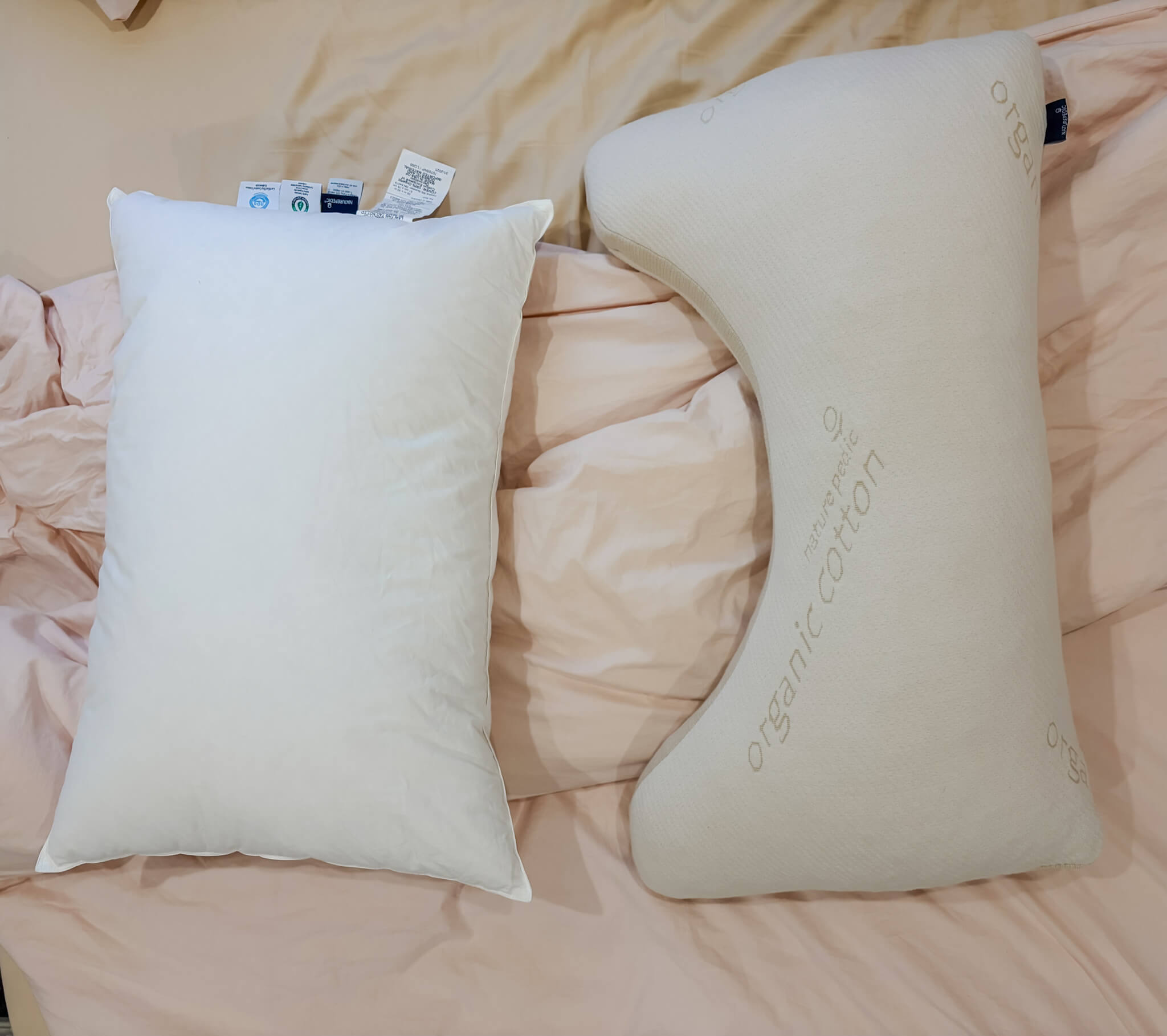
Bedding: GOTS-certified sheets and mattresses free of flame retardants.
Cleaning products: Plant-based or fragrance-free options.
Cookware: Avoid non-stick with PFAS; opt for stainless steel or cast iron.
Water filters: Ensure clean drinking water for the whole family.
Swapping one category at a time might make things feel more manageable. I started with personal care items and then started swapping our bedding for certified organic options. You can start anywhere — whatever feels right for you!
Final Thoughts
Non-toxic living isn’t about fear — it’s about empowerment. Every small choice you make contributes to a safer, healthier home for your family. Start with awareness, swap one high-impact item at a time, and celebrate progress over perfection. You’ve got this, and I’m rooting for you!
Quick Tips
Focus on high-impact swaps first — bedding, skincare, and cleaning products.
Look for third-party certifications like MADE SAFE, GOTS, or USDA Organic.
Keep it simple: small changes over time add up to big health benefits.
Remember, non-toxic doesn’t mean expensive — thoughtful choices matter more than perfection.
📖 Part 5 of the 7 Days to a Non-Toxic Home Series
Day 1: How to Read a Non-Toxic Label
Day 2: Certifications That Actually Matter
Day 3: The Truth About Organic Products
Day 4: Greenwashing 101: How to Spot It
Day 5: What “Not Toxic” Really Means for Families
Day 6: Sustainable vs. Non-Toxic: Why Both Matter
Day 7: How to Transition to a Non-Toxic Home Without Overwhelm
Latest on the blog

Learn simple, realistic ways to reduce holiday waste and celebrate sustainably with your family.
Make this holiday season simpler, greener, and more meaningful with easy, non-toxic, sustainable swaps your family will actually use.
Discover why heirloom toys are worth the investment — from safer, non-toxic materials to thoughtful design and play that lasts for generations.
Looking for non-toxic and sustainable toys for kids? Explore our top holiday gift picks that spark creativity, learning, and imaginative play.
Discover the best non-toxic baking tools for family holiday fun. From glass mixing bowls to stainless steel pans, these safe, durable essentials make holiday baking with kids joyful, hands-on, and worry-free.
Create a slower, more intentional holiday season with mindful tips, stress-easing rituals, and gentle practices that help your family feel grounded and connected.
Discover the best sustainable, eco-friendly, and non-toxic stocking stuffers for kids — meaningful, useful, and thoughtfully chosen gifts for a calmer, more mindful holiday season.
Discover Quince’s eco-friendly winter essentials, from organic cotton sweaters and cardigans to a Responsible Down puffer and cozy cotton throw. Stylish, sustainable, and affordable — see how to stay warm responsibly this season.
Discover how slowing down, simplifying, and living intentionally can transform motherhood — and bring more peace to your days.
Help your kids grow up curious, capable, and kind to the planet. This gentle guide shares simple ways to teach sustainability and healthy habits through everyday moments.
Self-care doesn’t have to be complicated. Here’s how to create nourishing, non-toxic rituals that align with your values and fit real mom life.
Start your day with calm intention. These mindful morning ideas help moms create peaceful, non-toxic routines that support the whole family.
Discover simple ways to reduce toxins, calm your space, and create a home that feels peaceful and nurturing for your whole family.
Feeling stretched thin? Learn how to simplify your routines, let go of what’s not serving you, and create space for what matters most.
Forget perfection — mindful motherhood is about balance, not overwhelm. Here’s how to embrace clean living as a mom without the guilt or pressure.
Discover a 7-day guide to mindful motherhood. Learn practical ways to simplify routines, create a calm, non-toxic home, nurture yourself, and teach kids healthy habits — all without guilt or overwhelm.
Create a healthier, non-toxic home in seven simple steps. Learn to read labels, spot greenwashing, and make confident, low-stress choices for your family — one day at a time.
Sleep better with organic, non-toxic bedding. Discover safe materials, trusted certifications, and cozy, sustainable swaps for your healthiest night’s rest.
Discover why Nest Bedding’s organic sheets and washable wool comforter are the eco-friendly upgrade your sleep has been missing.
Ready to detox your home? Follow this simple step-by-step guide to create a non-toxic home — with easy swaps for bedding, skincare, cleaning, and more.
Sustainability and non-toxicity aren’t the same — but together, they’re powerful. Learn how to choose products that are safe for your family and the planet.
Understand what “non-toxic” really means for your home and family. Learn to identify hidden toxins, improve indoor air quality, and make safe, simple swaps.
Don’t be fooled by greenwashing. Learn the red flags of fake sustainability, what real transparency looks like, and how to choose brands that mean what they say.
“Organic” doesn’t always mean safe. Find out what organic really means for food, skincare, and textiles — and how to tell when a product is genuinely clean.
Not all eco labels are created equal. Learn which non-toxic and sustainable certifications truly matter — from GOTS to MADE SAFE — and which to skip.
Learn how to read non-toxic labels with confidence. Discover what ingredient lists, certifications, and marketing claims really mean so you can shop safer.
Discover why Stapelstein is one of the best non-toxic toys for young children. Made from safe, eco-friendly materials, this open-ended toy inspires creativity, active play, and endless imagination.
Struggling with postpartum body odor? Learn why Primally Pure is the best deodorant for new moms—safe, clean, and effective.
Discover the 20 best Montessori books for parents in 2025—honest reviews, practical tips, and guides on the Montessori method for home and school.
Choosing non-toxic, eco-friendly seating for your kids doesn’t have to be complicated. Find out why the Toki Kids play couch and bean bag are our #1 choice!