Baby Feeding Essentials That Are Safe and Easy to Clean
Disclosure: Products featured in this post were gifted to us at no cost so we could experience them in our home. As always, I share only my honest thoughts and experiences, from my home to yours.
Starting solid foods can feel like a daunting task — especially when you’re staring at endless baby products and wondering if you’re missing something important. I remember standing in my kitchen with my first baby, excited but also second‑guessing every decision. Was I doing this right? Did I have the right gear? Was I overthinking it?
Now, after starting solids with my first child and doing it all over again with a new baby, I can say this with confidence: you don’t need much. You just need the right things.
This guide is a short, thoughtful list of the feeding essentials that truly mattered for us — the pieces that supported baby’s feeding skills, simplified our daily routine, and aligned with a non‑toxic, eco‑friendly home. It’s the post I wish I had when I was building my baby registry.
Using non-toxic, baby-safe products is important both at mealtime and beyond — from dishes to skin care. I’ve rounded up some gentle options in Is Aquaphor Safe for Babies? 5 Non-Toxic Alternatives.
What You Really Need for Baby’s First Foods — Non-Toxic, Safe, and Easy to Clean
1. Lalo — The High Chair Infant Kit
A supportive high chair is one of the best baby gear investments you’ll make — simply because you’ll use it every single day.
I used the Lalo high chair with my first child and loved its clean design and removable tray. This time around, adding the infant insert made a noticeable difference right from the start. It helped my baby feel secure and supported during those early meals.
Key features:
Encourages proper posture
Adjustable footrest for stability (so important for safe eating)
Easy‑to‑clean surfaces that hold up to daily messes
Good posture is an important skill for eating safely. When babies feel supported, they can focus on exploring textures, learning to chew, and building confidence — instead of just trying to stay upright.
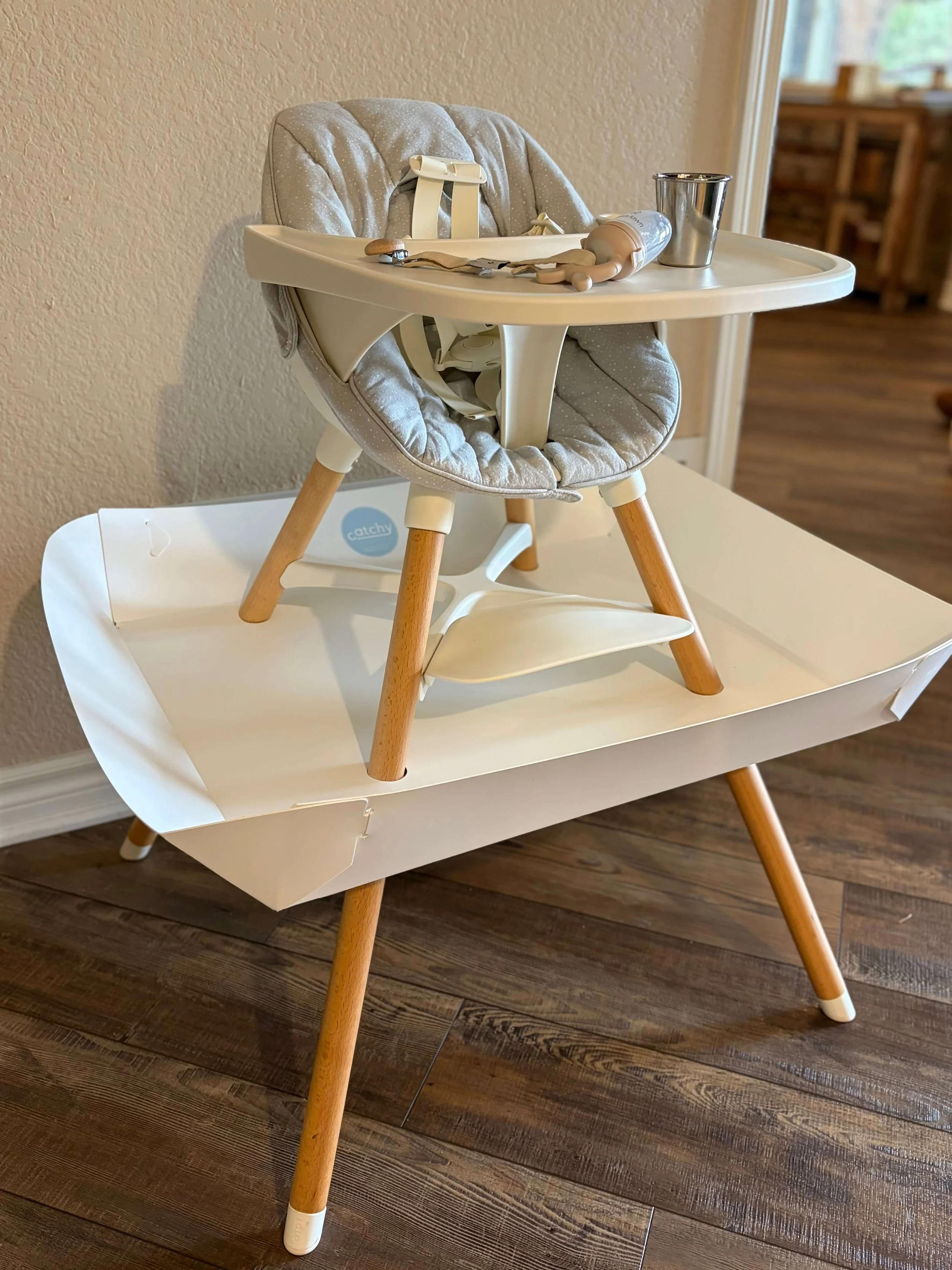
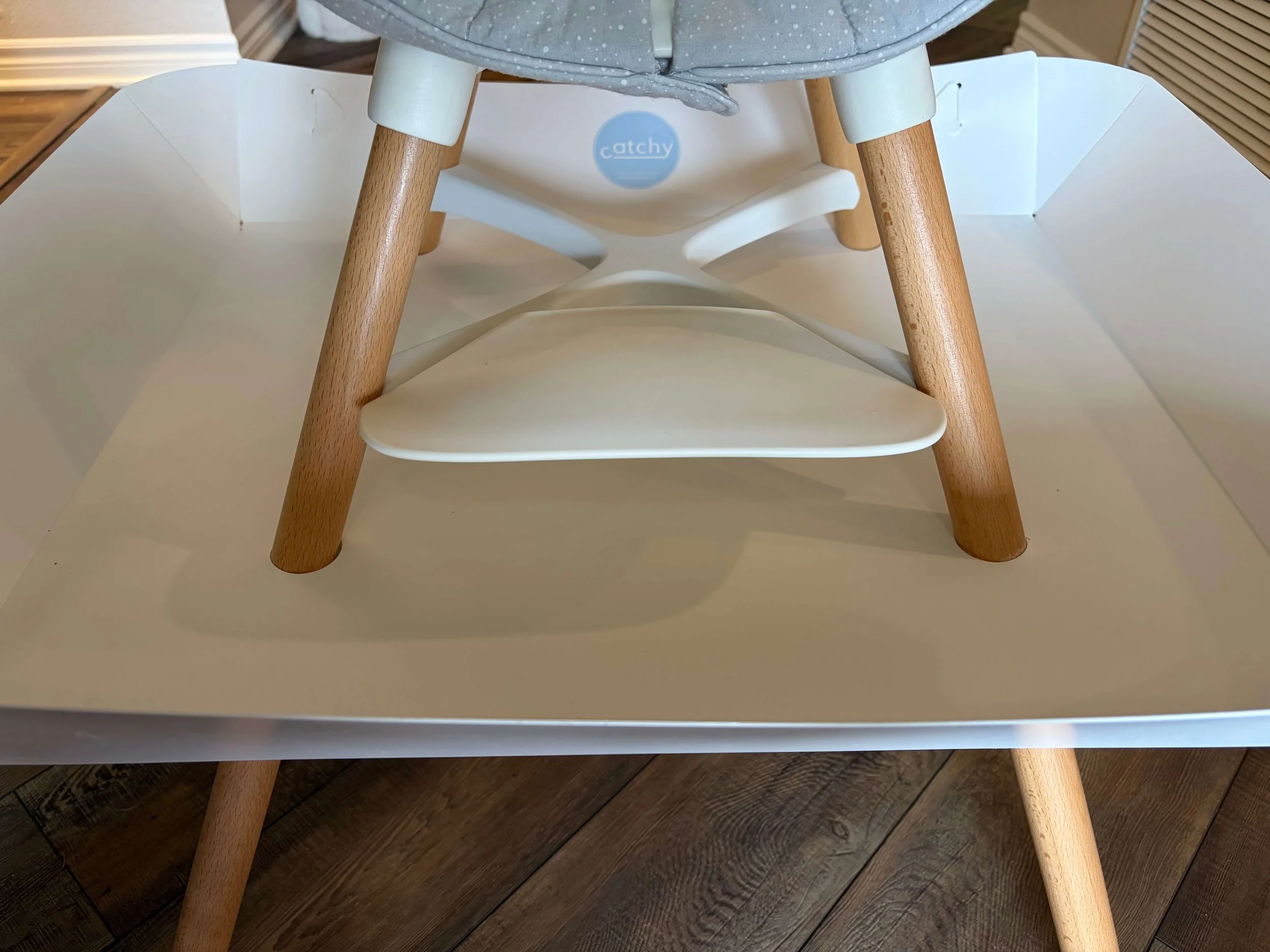
2. Catchy — Food Catcher
To make starting solids a little less messy, we’ve also been loving our Catchy Insert. It catches stray food before it hits the floor and makes cleanup so much faster — because, let’s be honest, starting solids can get messy quickly!
Key features:
BPA-free
Easy to clean
3. Moss & Fawn — Little Explorer Kit
This is one of those feeding tools that seems small, but quickly becomes something you reach for again and again — especially in the early months.
Set Includes:
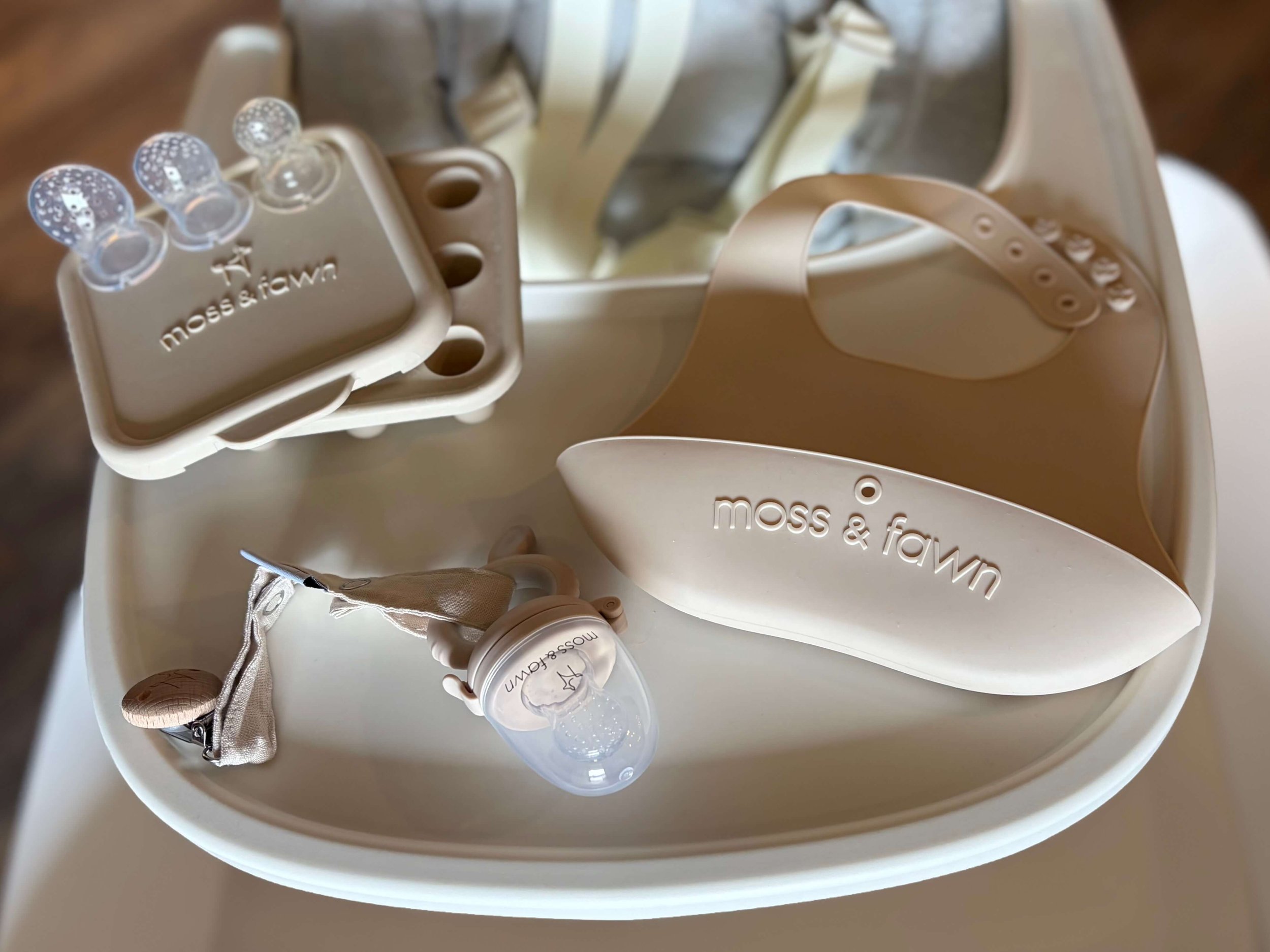
Forage Feeder (+ 3 different sized food grade silicone nipples)
Ice Cube Tray
Gather & Roll Bib
The Moss & Fawn Forage Feeder has been a gentle, stress-free way to introduce soft foods, frozen purées, and breast milk pops. During teething phases, breast milk pops have been a favorite in our house — soothing for sore gums and an easy way to keep her comfortable while still letting her explore.
What really makes this set stand out is how thoughtfully it’s designed for real life. The feeder is the perfect size for small hands, easy for little mouths to manage, and encourages independence. The bib is not something we use constantly, but it’s the only one we own and it makes clean-up so easy — usually just a quick rinse in the sink.
And the feeder keeper deserves its own mention. I absolutely love it — not just for keeping the forage feeder off the floor (because let's face it, baby's love to throw things), but also for clipping on toys. It’s been a lifesaver for keeping the toys my daughter loves to mouth off the floor in public places.
This is the kind of set that quietly supports your routine — helpful at home and especially nice to have for on-the-go days or at grandma’s house.
4. Ahimsa — Mindful Mealtime Set + Starter Sips Cups
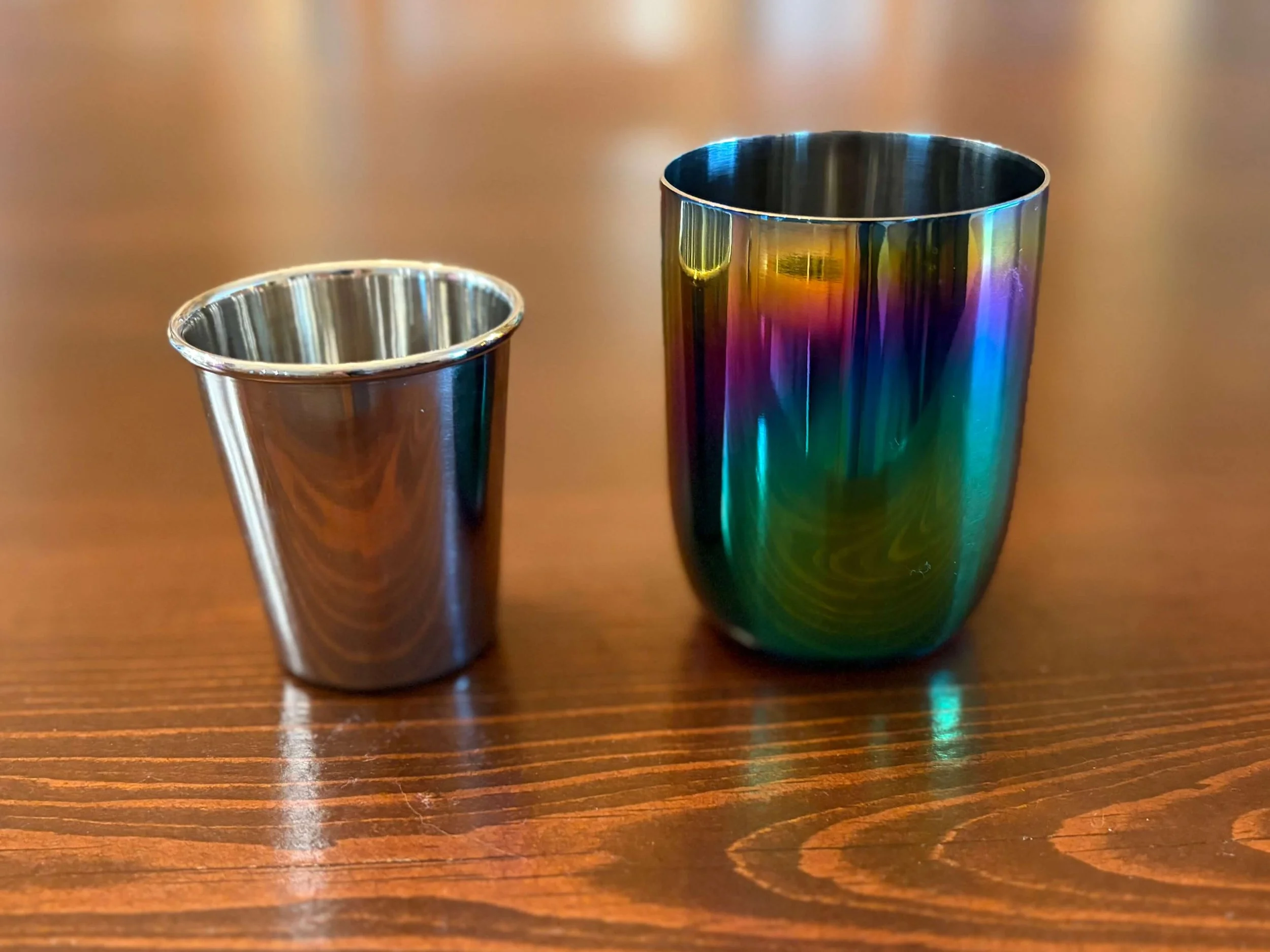
If there’s one category I’ve become especially intentional about, it’s dishes — and Ahimsa continues to be my top recommendation for starting solids through toddlerhood and beyond.
What I especially love is how thoughtfully everything is designed for different stages. The 4 oz cup has gently rounded edges that are perfect for my 8-month-old as she’s learning to drink from an open cup. It’s easy for her to bring to her mouth, gentle on little gums, and gives me peace of mind knowing it supports proper oral development without relying on valves or spouts.
The larger cup is a favorite with my toddler, and knowing that these pieces grow with them makes the set feel like a smart long-term investment.
The American Academy of Pediatrics actually encourages introducing an open cup instead of a sippy cup, since open cups help babies practice natural drinking motions and develop oral motor skills.

The plates, bowl and utensils are equally well made — durable and free from the harmful chemicals often found in plastic or coated alternatives.
This is one of those sets that truly grows with your child: practical for baby’s first foods, loved by toddlers, and sturdy enough to last for years. It’s a simple, beautiful, eco-friendly choice that feels just as good to use as it looks on the table.
5. The Solid Starts App
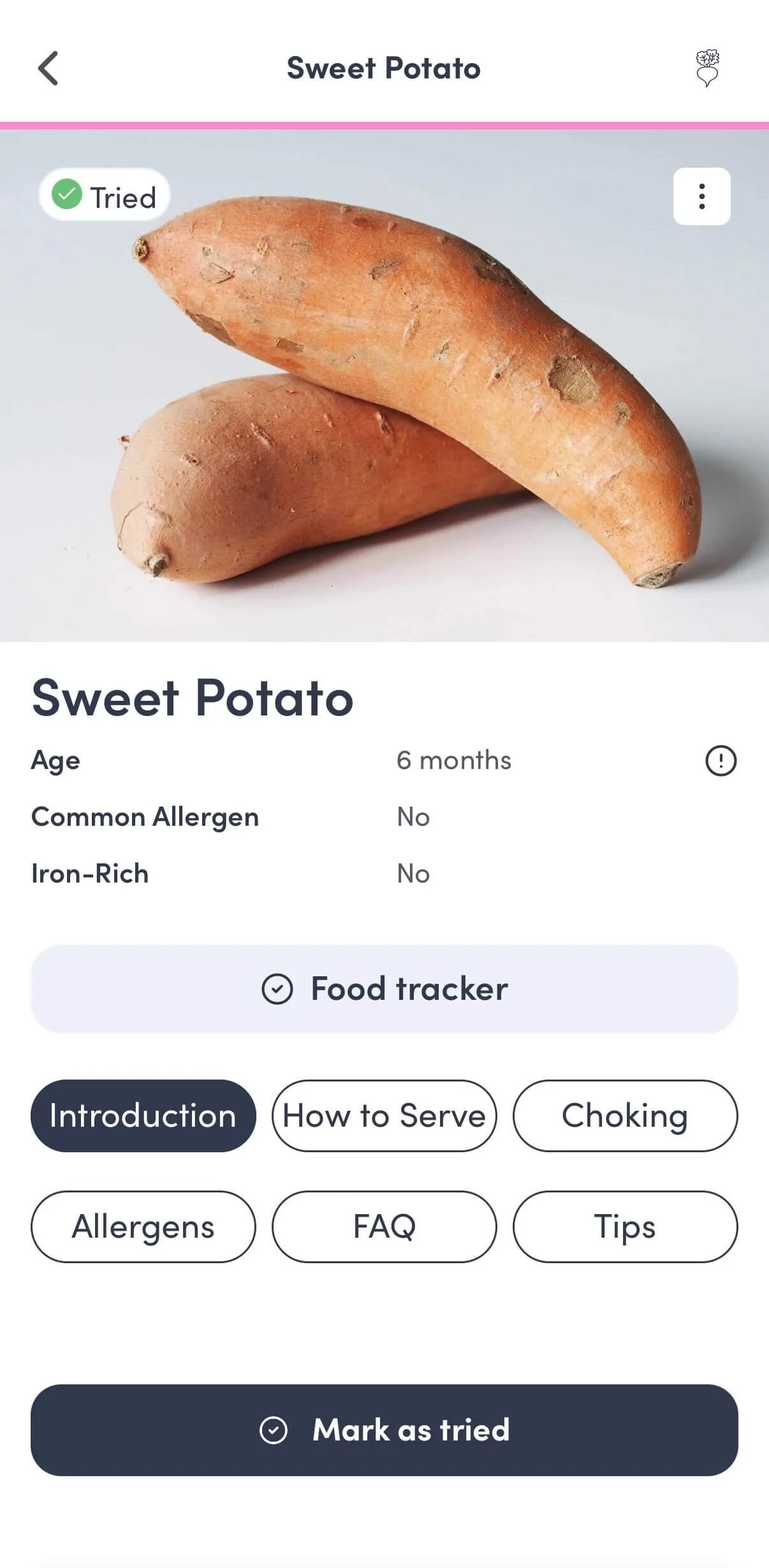
If you’re feeling unsure about how to begin, the Solid Starts app is the first thing I recommend. During those early meals — when everything felt new (and a little scary) — it gave me so much peace of mind. I especially appreciate their guidance on introducing allergenic foods and their food tracking calendar, which helps keep everything in one place.
Key features:
Clear, step-by-step guidance on safely preparing first foods and introducing new foods
Visual examples of age-appropriate cuts for foods like avocado, string cheese, and even peanut butter
Evidence-based guidance developed with feeding therapists, speech therapists, and occupational therapists
The app also walks you through different ways to serve foods safely and confidently, especially during the first few weeks of baby-led weaning and infant self-feeding. It’s available in both the Apple App Store and Google Play, and I truly consider it a gold-standard resource for starting solids.
Why Fewer, Better Feeding Tools Matter
When you’re starting solids, it’s easy to assume you need a long list of specialty items to be “prepared.” In reality, babies learn best with simple, thoughtfully designed tools that let them focus on the food — not the gear.
Choosing fewer, higher-quality feeding tools keeps your setup calm and manageable. It also reduces clutter, limits unnecessary exposure to questionable materials, and makes daily cleanup far easier. Instead of rotating through multiple plates, cups, and utensils, you build familiarity and consistency — which is especially helpful for little ones just learning new skills.
This approach has worked well for us across multiple stages and children, and it’s why I focus on tools that are durable, non-toxic, and designed to be used daily.
Materials Matter: What We Use (and Why)
Not all feeding products are created equal, and material choice plays a bigger role than most parents realize. Many baby feeding items are made from plastic or heavily treated silicone, which can wear down over time — especially with heat, frequent washing, and acidic foods.
That’s why I prioritize stainless steel whenever possible. It’s naturally free from harmful chemicals, doesn’t absorb odors or flavors, and holds up beautifully through years of use. It’s also one of the most eco-friendly choices you can make, since it doesn’t need to be replaced as your baby grows.
For us, choosing materials thoughtfully has meant buying less overall and feeling confident about what touches our baby’s food day after day.
Common Feeding Products I Didn’t Need
There are plenty of feeding items that sound helpful but didn’t end up earning a permanent place in our kitchen.
Things we skipped or phased out quickly:
Large sets of plastic or silicone plates and bowls
Multiple styles of sippy cups and straw cups early on
Final Thoughts
Starting solids doesn’t have to take much time, space, or stuff. With supportive seating, simple feeding tools, and trusted guidance, feeding can become a meaningful part of your daily routine — not something to stress over.
These are the baby feeding essentials I recommend most often to friends and family building their baby registry. Thoughtful, practical, and designed to support real development.
From one parent to another: follow your baby’s cues, go at their pace, and trust that simple really is enough.
Latest on the blog