Intentional Valentine Traditions for Toddlers: Non-Toxic, Meaningful, and Kid-Friendly Ideas

Valentine’s Day is one of those holidays that’s extra fun with toddlers — even if “fun” sometimes looks like a paper heart stuck on the dog or paint smeared across the table. Toddlers experience the world through senses and movement, so Valentine traditions for this age work best when they are simple, interactive, and centered on connection rather than candy, toys, or elaborate decorations.
When my girls were little, I loved continuing a tradition from my own childhood: my mom would decorate the kitchen table and make a special Valentine breakfast for my sister and me. That memory shaped my love for small rituals, and now our Valentine mornings are filled with little hearts, homemade cards, and shared moments at the table. These intentional moments — more than any candy or toy — are what toddlers remember, even if they don’t remember the day itself.
For creative, safe, and kid-friendly Valentine projects, check out our guide to Non-Toxic Art Supplies for Valentine Crafts (Kid-Safe & Mom-Approved).
Intentional Valentine Traditions for Toddlers
Below are some of our favorite intentional Valentine traditions for toddlers, designed to be non-toxic, low-stress, and full of connection.
1. Valentine Breakfast Rituals
Start the day with a small, festive breakfast. This doesn’t need to be elaborate:
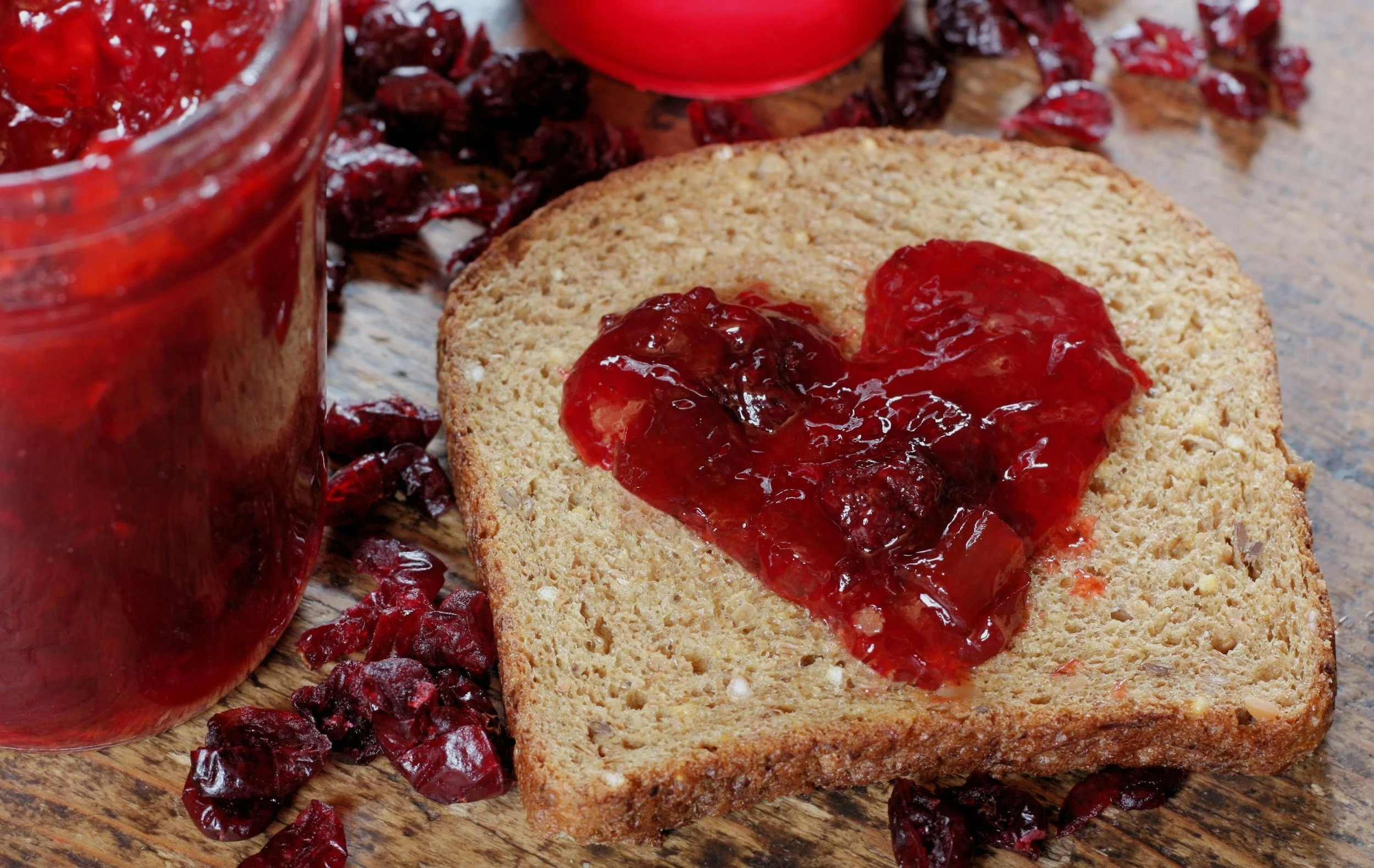
Heart-shaped pancakes or toast (use cookie cutters for easy shapes)
Fruit arranged in hearts or simple pink/red berries
A special table decoration, like a small garland or a vase with a few fresh flowers
These small rituals set the tone for the day and create a sense of celebration without any excess sugar. Toddlers love helping with simple assembly, stirring batter, or arranging berries, which also builds fine motor skills.

2. Morning Love Notes
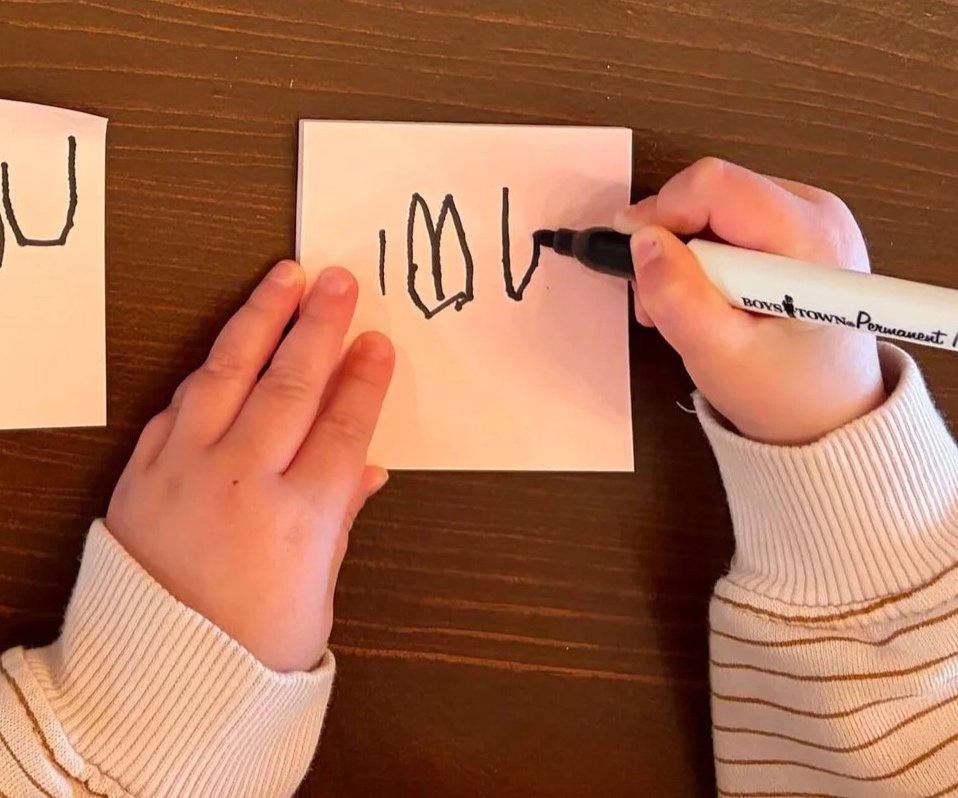
Toddlers may not read yet, but they love seeing their names, shapes, and colors. A few easy ways to incorporate love notes:
Write your toddler’s name on small cards with a simple “I love you” or “You make me smile”
Draw little hearts and place them in unexpected places: under a plate, on a cup, inside a shoe
Encourage toddlers to decorate one for a parent or sibling
This small act turns literacy and art practice into a meaningful ritual.
3. Sensory & Craft Play
Valentine-themed sensory play is perfect for toddlers — it’s hands-on, messy in the best way, and supports cognitive and motor development. Non-toxic and sustainable options include:
Beeswax crayons or plant-based watercolors for simple heart drawings
DIY playdough colored with natural powders like beet or turmeric, shaped into hearts
Flower or leaf stamps for cards or paper garlands
Even a small sensory tray with red and pink items — pom-poms, wooden beads, heart-shaped tools — provides hours of engagement without plastic overload.
4. Heart Hunt or Treasure Hunt
Create a mini indoor or backyard heart hunt:
Cut out small hearts from scrap paper, fabric, or recycled cardboard
Hide them around a room or yard
Let toddlers “hunt” for hearts, practicing movement, scanning, and counting
This is a simple, repeatable tradition that can become a Valentine favorite. You can even incorporate a small “reward” like a special song, story, or sticker for finding all the hearts.
5. Storytime Ritual
Toddlers love predictable routines, and reading a favorite book together can become a Valentine tradition. Some ideas:
Pick 1–2 books that focus on love, friendship, or kindness
Have a cozy spot with pillows or blankets for a special story nook
Encourage toddlers to point to hearts or familiar shapes as you read
Books also offer an opportunity to practice language skills while creating calm, intentional moments together.
Check out some of our favorite Valentine’s books in our Non-Toxic Valentine’s Day Gift Guide.
6. Movement and Dance
Toddlers often express joy and excitement through movement. Valentine-themed dances or songs can become fun rituals:
Play a short playlist of favorite songs and dance with scarves, ribbons, or DIY “shakers”
Practice gentle yoga or stretching with “heart-shaped” poses (arms overhead, hands together)
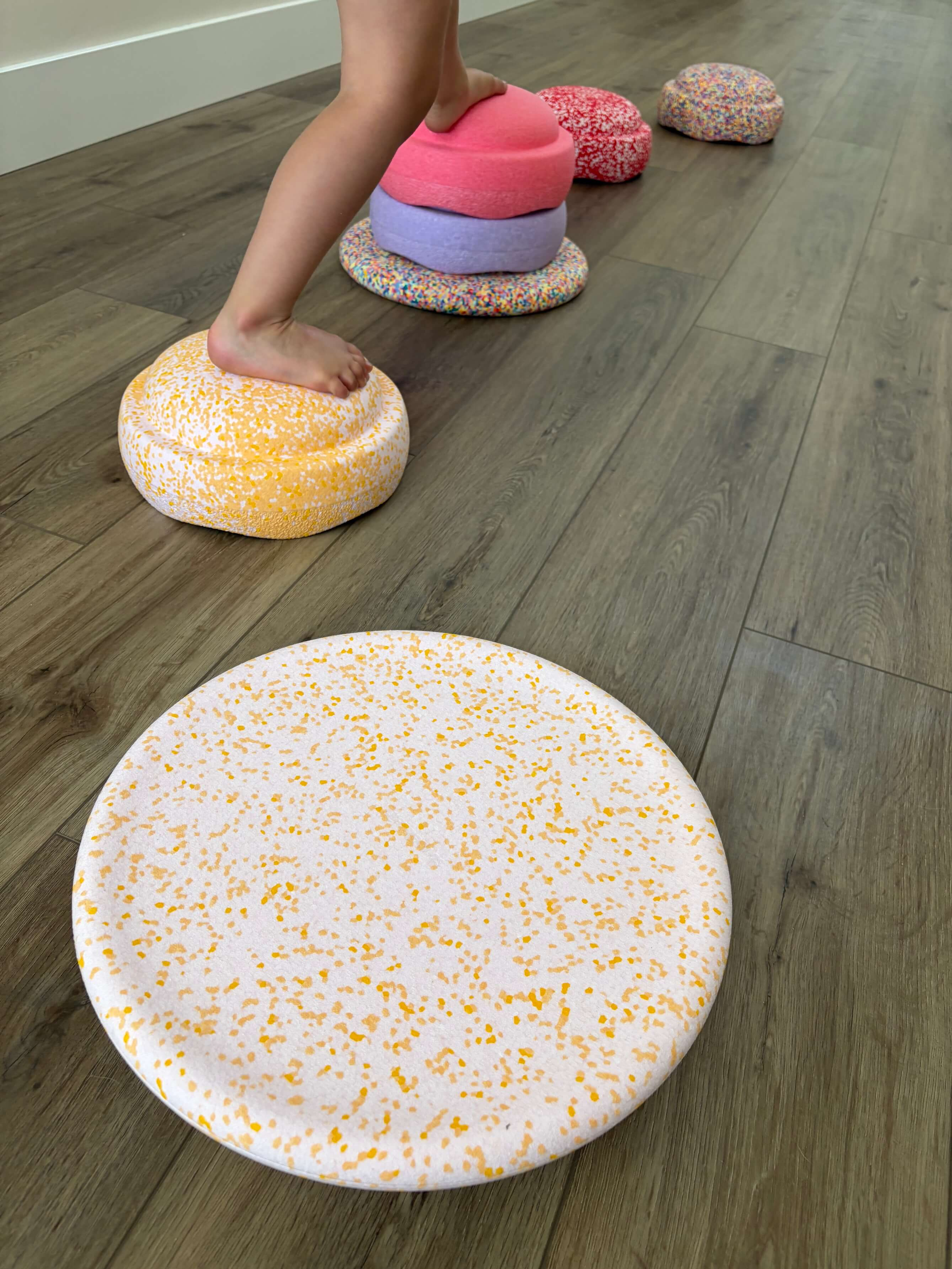
Incorporate movement into routines, like heart-shaped steps on a homemade floor path
Movement reinforces physical development, builds connection, and releases energy in a positive, joyful way — you can read more about why in Success Starts Early’s Explore Through Movement and Play.
7. Family Connection Time
Valentine’s Day is ultimately about noticing and celebrating love in everyday life. Intentional traditions that prioritize connection include:
Sharing something you love about each family member at breakfast or dinner
Creating a “gratitude jar” where toddlers can drop notes, stickers, or doodles for loved ones
Baking a simple treat together, even if toddlers just help pour or stir
These shared activities are meaningful, low-stress, and more memorable than any commercial gift.
Tips for Keeping Valentine Traditions Toddler-Friendly
Keep it short and simple: Toddlers have short attention spans; one or two small rituals are better than a day full of activities.
Use safe, non-toxic materials: Paper, crayons, watercolors, and natural doughs are perfect. Avoid choking hazards for young children.
Reuse and repurpose: Recycled paper, natural embellishments, and leftover craft materials reduce waste and make crafting easier.
Focus on connection over perfection: Toddlers respond to presence, attention, and shared joy more than any decoration or toy.
Make it repeatable: Select a few traditions that can be repeated year after year so they become part of your family’s Valentine rhythm.
Looking for Valentine’s gifts that are fun, safe, and non-toxic? Our guide to Non-Toxic Valentine Gifts for Kids That Aren’t Candy has you covered.
Final Thoughts
Intentional Valentine traditions for toddlers don’t need to be elaborate, expensive, or sugar-filled. The most memorable moments are simple: a decorated breakfast, a homemade card, a story, or a shared laugh during a craft or movement activity. These are the rituals that stick with children and grow into a sense of love, security, and family connection.
By keeping Valentine’s Day non-toxic, sustainable, and centered on presence, parents can create meaningful memories that outlast the holiday hype — and enjoy the day as much as their toddlers do.
Latest on the blog