Is Aquaphor Safe for Babies? 5 Non-Toxic Alternatives
Aquaphor was one of those products that showed up before my baby even arrived. I was gifted multiple tubes at my baby shower, tucked into diaper caddies and postpartum baskets, and it felt like a given — this was just something you use on babies.
But when it came time to actually put it on my newborn’s skin, I paused. Something about using a product made primarily from petroleum products — derived from crude oil — on my tiny baby felt off to me. That hesitation is what sent me down the ingredient list rabbit hole.
As I started looking more closely at Aquaphor products, I also began paying attention to other personal care products marketed to babies. That’s when I realized how many things we’re told are “gentle” or “safe” are actually filled with petroleum ingredients, synthetic fillers, and names I couldn’t easily pronounce — let alone feel confident using day after day. That was the moment I realized I wanted to be a little more intentional about what I was putting on my baby’s skin.
What Is Aquaphor, Really?
Aquaphor Healing Ointment is considered a skin protectant and occlusive moisturizer. That means it forms a barrier on the skin surface to reduce transepidermal water loss — essentially sealing moisture in.
Here’s the full ingredient list for Aquaphor Healing Ointment:
Active Ingredient:
Petrolatum (41%)
Inactive Ingredients:
Mineral oil
Ceresin
Lanolin alcohol
Panthenol
Glycerin
Bisabolol
At first glance, it looks short and simple. But short doesn’t always mean non-toxic.
Why Petrolatum and Mineral Oil Give Me Pause
Petrolatum — also listed as white petrolatum or petroleum jelly — is derived from crude oil. Mineral oil comes from the same petroleum ingredients family. These are petroleum products refined for use in personal care products.
In the European Union, petrolatum must meet stricter refinement standards due to concerns about contamination with polycyclic aromatic hydrocarbons (PAHs), which are linked to carcinogenic substances and other negative health effects. In the United States, regulations are looser, and consumers are largely expected to trust manufacturers — but with so much lack of transparency across brands, that doesn’t sit particularly well with me.
While petrolatum itself is often described as “inert,” the concern is potential contamination and cumulative exposure over time — especially when a product is used daily on babies’ sensitive skin.
Other Ingredients Worth Noting
Mineral oil: A petroleum-derived occlusive moisturizer. It doesn’t nourish the skin — it simply seals it.
Panthenol & glycerin: These act as humectant moisturizers, helping attract water to the skin. They’re generally considered safe.
Bisabolol: A soothing compound derived from chamomile — one of the few plant-based ingredients in the formula.
For me, the issue isn’t that Aquaphor is instantly dangerous. It’s that it relies heavily on petroleum jelly products rather than natural ingredients that actively support the skin barrier. All things considered, Aquaphor isn’t something I choose to use on my little ones — especially when there are so many safer alternatives available.
Why I Look for EWG Verified or Truly Natural Products
The Environmental Working Group (EWG) evaluates ingredients for toxicity, endocrine disruptors, carcinogenic substances, and overall hazard score. When a product is EWG Verified, it means:
Full ingredient transparency
No ingredients of concern
No synthetic fragrance or undisclosed fillers
Manufacturing standards that exceed U.S. requirements
Personally, I gravitate toward products that are 100% natural and organic — like tallow-based balms — where I can recognize every ingredient on the ingredient list. If I can’t find something that checks those boxes within my budget, I look for options that are EWG Verified or score low in the EWG Skin Deep database.
That’s become my clean swap rule of thumb. If you’re curious about how to evaluate ingredients and spot red flags yourself, check out my guide on how to read a non-toxic label when everything claims to be clean.
My 5 Favorite Non-Toxic Aquaphor Alternatives
These are products I’ve used in the past and/or currently use in my home for myself and my little ones.
1. Primally Pure Baby Balm
This is one of the cleanest multi-purpose product options I’ve found. I discovered Primally Pure after having my second daughter, and their products quickly became a favorite. They do come at a higher price point, but if they fit your budget, I would choose Primally Pure over almost anything else.
Ingredients:
Organic grass-fed tallow
Organic olive oil
Emu oil (AEA certified)
Unrefined beeswax
Organic calendula flower
Organic marshmallow root
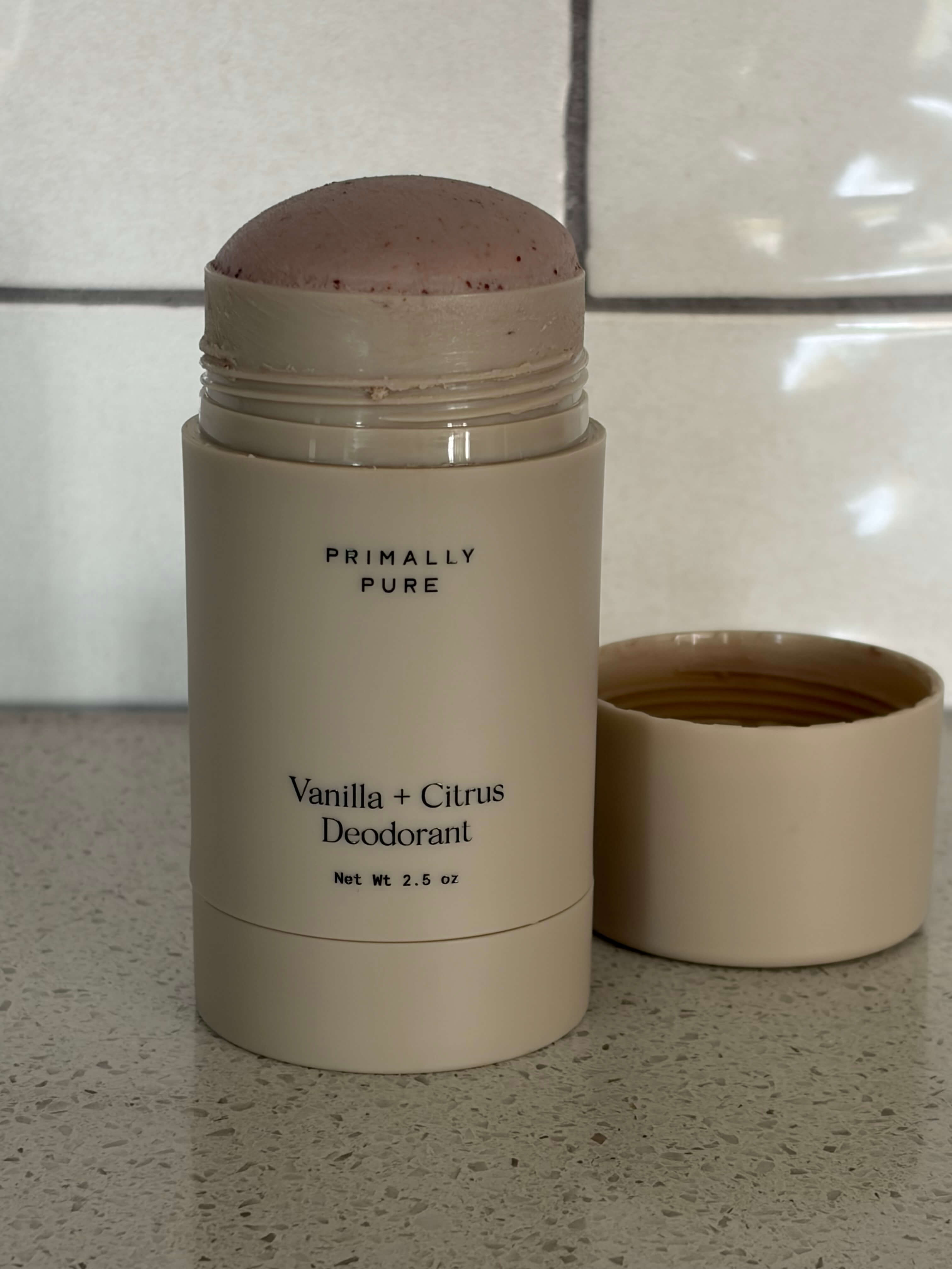
Tallow closely mimics the skin’s natural oils, making it incredibly supportive for sensitive skin, diaper rash, and dry skin. This is one I reach for without hesitation. I’ve also shared why I love Primally Pure’s Vanilla Citrus Deodorant for postpartum — their approach to clean, effective ingredients is exactly what I look for in baby balms too.
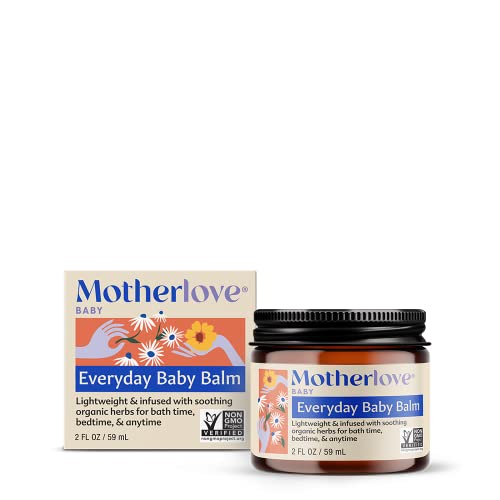
2. Motherlove Everyday Baby Balm
A beautiful plant-based option that’s gentle enough for newborns.
Ingredients:
Apricot oil
Beeswax
Shea butter
Chamomile flower
Marshmallow root
Calendula flower
Free of petroleum and petroleum by-products, lanolin, propylene glycol, parabens, phthalates, and synthetic fillers. A great choice if you prefer botanical ingredients.
3. Earth Mama Organic Diaper Balm (EWG-Verified)
Another favorite diaper cream and rash cream option that is EWG-verified and petroleum-free.
Ingredients:
Olea europaea (Olive) fruit oil
Butyrospermum parkii (Shea) butter
Beeswax
Simmondsia chinensis (Jojoba) seed oil
Lavandula angustifolia (Lavender) flower oil
Calendula officinalis (Calendula) flower extract
Hypericum perforatum (St. John’s Wort) extract
Stellaria media (Chickweed) extract
Plantago major (Plantain) leaf extract
Melaleuca alternifolia (Tea Tree) leaf oil
This balm is so gentle and soothing — another one of my favorites!

4. Dr. Bronner’s Baby Unscented Magic Balm
A solid whole-family option that is USDA organic certified.
Ingredients:
Persea Gratissima (Avocado) Oil
Simmondsia Chinensis (Jojoba) Seed Oil
Cera Alba (Beeswax)
Cocos Nucifera (Coconut) Oil
Olea Europaea (Olive) Oil
Cannabis Sativa (Hemp) Seed Oil
Tocopherol
No synthetic fragrance and no petroleum ingredients. I use this for dry hands, lip balm, makeup remover, and baby cheeks in winter.

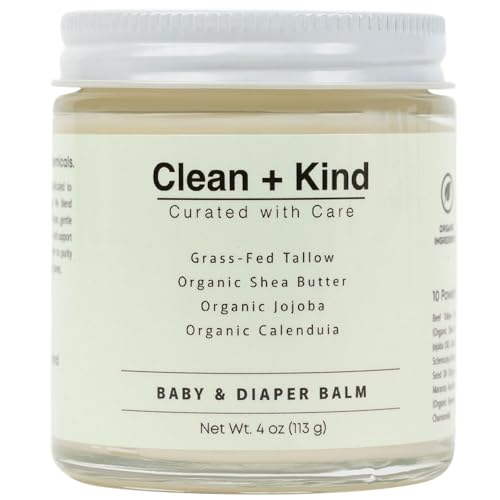
5. Clean + Kind Organic Diaper Balm
This one is another excellent option for sensitive skin and diaper rash. It is petroleum-free, made with organic ingredients, and provides gentle, effective protection.
Ingredients:
Grass-Fed Tallow
Shea Butter
Natural Beeswax
Jojoba Oil
Calendula Flower Extract (in Sunflower Oil)
Arrowroot Powder
Vitamin E (Tocopherol)
Roman Chamomile Essential Oil
Final Thoughts
Learning to question ingredient lists has changed how I shop for everything — from best diapers to household products. Aquaphor isn’t the worst option on the shelf, but it’s not one I personally reach for anymore.
Choosing non-toxic doesn’t have to be complicated. Sometimes it simply means choosing a different product with ingredients you can actually read. For a bigger-picture approach, I share tips on how to create a calm, toxin-free home environment for families that make clean swaps feel simple and sustainable.
If you’re building a cleaner routine for your baby (and yourself), these better swaps are a gentle place to start.
Latest on the blog