Certified Non-Toxic: Meaning, Labels + How to Shop Safe
When I first began transitioning my family toward non-toxic living, I was completely overwhelmed. Walking down aisles filled with products claiming to be “natural” or “safe” left me wondering: which claims can I trust? Which certifications actually protect my family from toxic chemicals, heavy metals, and endocrine disruptors? Over the years, I’ve learned that understanding what “certified non-toxic” truly means, knowing the certifications that matter, and making informed purchasing decisions are among the most powerful tools parents have for a safer home.
This guide is a comprehensive look at certified non-toxic products across categories—from clothing and furniture to paint, art supplies, kids’ toys, and personal care products. By the end, you’ll understand how to read labels, evaluate certifications, and shop confidently for products that are safer for your family and better for the environment.
When you’re trying to make safer choices, it helps to understand how marketing can blur the lines—especially with so many products labeled “clean” or “eco-friendly.” If you’ve ever felt confused by products that look clean but don’t actually meet meaningful standards, my guide to greenwashing and how to spot misleading claims breaks down what to watch for when labels sound too good to be true.
What Does “Certified Non-Toxic” Mean?
The term “non-toxic” can be misleading when it’s not backed by a credible certification. A product labeled as certified non-toxic has been independently tested by third-party organizations to ensure it meets stringent safety standards. These certifications confirm the product is free from or contains safe levels of:
Toxic chemicals and toxic solvents
Heavy metals
Volatile organic compounds (VOCs)
Endocrine disruptors and reproductive toxins
Behavioral and developmental toxins
Synthetic flame retardants
Certified non-toxic products aren’t just safer for humans—they often have a lower environmental impact, support sustainable production practices and use eco-friendly materials.
Understanding the certification process ensures you’re buying products that are safer for yourself, your children and pets—and minimize harm to the environment.
The Certification Process: What Goes Into Non-Toxic Verification
Most certifications follow a multi-step process:
Raw Material Assessment: Evaluates ingredients (like the fibers, woods, paints, latex, etc. used) to ensure they meet safety and environmental standards.
Production Process Review: Confirms manufacturing avoids toxic solvents, synthetic flame retardants, harmful VOCs, and other hazardous substances.
Final Product Testing: The finished product is tested for chemical emissions, heavy metals, VOCs, and endocrine disruptors.
Third-Party Verification: Independent organizations verify compliance, allowing the product to carry a trusted certification label.
This process ensures that everyday products—from clothing and furniture to toys and personal care—are safe for skin contact, daily use, and indoor air quality.

Why Non-Toxic Certifications Matter
It’s easy to feel overwhelmed by the endless claims of “safe,” “natural,” or “eco-friendly” products. That’s exactly why non-toxic certifications exist—they give parents a clear, trustworthy standard to follow.
Non-toxic certifications matter because they:
Protect your family’s health: Certified products are tested for toxic chemicals, endocrine disruptors, heavy metals, and VOC emissions—substances that can affect nervous systems, reproductive health, and overall development, especially in children. For example, even a new piece of furniture or a paint job in your child’s room can release chemical emissions that linger for months. Choosing certified products reduces this risk.
Support safer everyday products: From personal care products and liquid soaps to furniture and bedding, certifications ensure that what touches your skin, your children’s hands, or lingers in your indoor air is free from harmful substances.
Encourage environmental responsibility: Many certifications, like FSC, GOTS, and Greenguard Gold, go beyond human health—they promote sustainable sourcing, responsible production, and reduced environmental impact. Buying certified items contributes to lower carbon footprints and supports eco-friendly product manufacturing.
Offer peace of mind: When you’re shopping for toys, art supplies, or daily-use items, it can be stressful to decipher labels. Certifications remove the guesswork, letting you make informed decisions for your family without sacrificing safety or sustainability.
Empower consumer awareness: Every certified product you buy sends a signal to brands: families prioritize non-toxic, safe, and sustainable materials. This helps shift the market toward safer products for everyone and encourages manufacturers to adopt non-toxic and eco-conscious practices.
In short, non-toxic certifications are more than a label—they are a powerful tool for families who care about health, safety, and the environment. They allow us to make choices that are good for our homes, our children, and our planet.
Why Cumulative Exposure Matters More Than One “Toxic” Product
One of the biggest misconceptions around non-toxic living is the idea that danger comes from a single “bad” product. In reality, what matters far more is cumulative exposure — the slow, everyday buildup of chemicals we encounter across our homes, routines, and environments.
Think about it: clothing touching skin all day, furniture off-gassing into indoor air, art supplies handled by little hands every day, personal care products absorbed through the skin. Each item may fall within an “acceptable level” on its own, but together, they can contribute to a much higher total chemical load. This is especially relevant when we consider volatile organic compounds (VOCs), synthetic flame retardants, heavy metals, and other harmful substances commonly found in consumer products.
For children, cumulative exposure matters even more. Kids breathe more air per pound of body weight, spend more time on the floor, and are still developing critical systems — including the nervous, immune, and endocrine systems. Low-level, repeated exposure to endocrine disruptors, behavioral toxins, and developmental toxins can add up over time, even when no single product seems alarming.
This is where non-toxic certifications become a powerful tool. Certified products help reduce overall exposure by addressing the final product, not just one ingredient or marketing claim. They give us a way to meaningfully lower chemical emissions, improve indoor air quality, and create safer spaces — without trying to micromanage every label or live in constant research mode.
Non-toxic living isn’t about eliminating every risk. It’s about lowering the total load, one thoughtful choice at a time.
Understanding Key Non-Toxic Certifications
Before we break down individual certifications, it helps to understand which labels actually matter—and which ones don’t when it comes to non-toxic claims. I put together a deeper breakdown of certifications that actually matter (and the ones that don’t) to help you focus on labels with real third-party oversight.
Here’s a deeper look at certifications by product category.
1. Clothing & Textiles
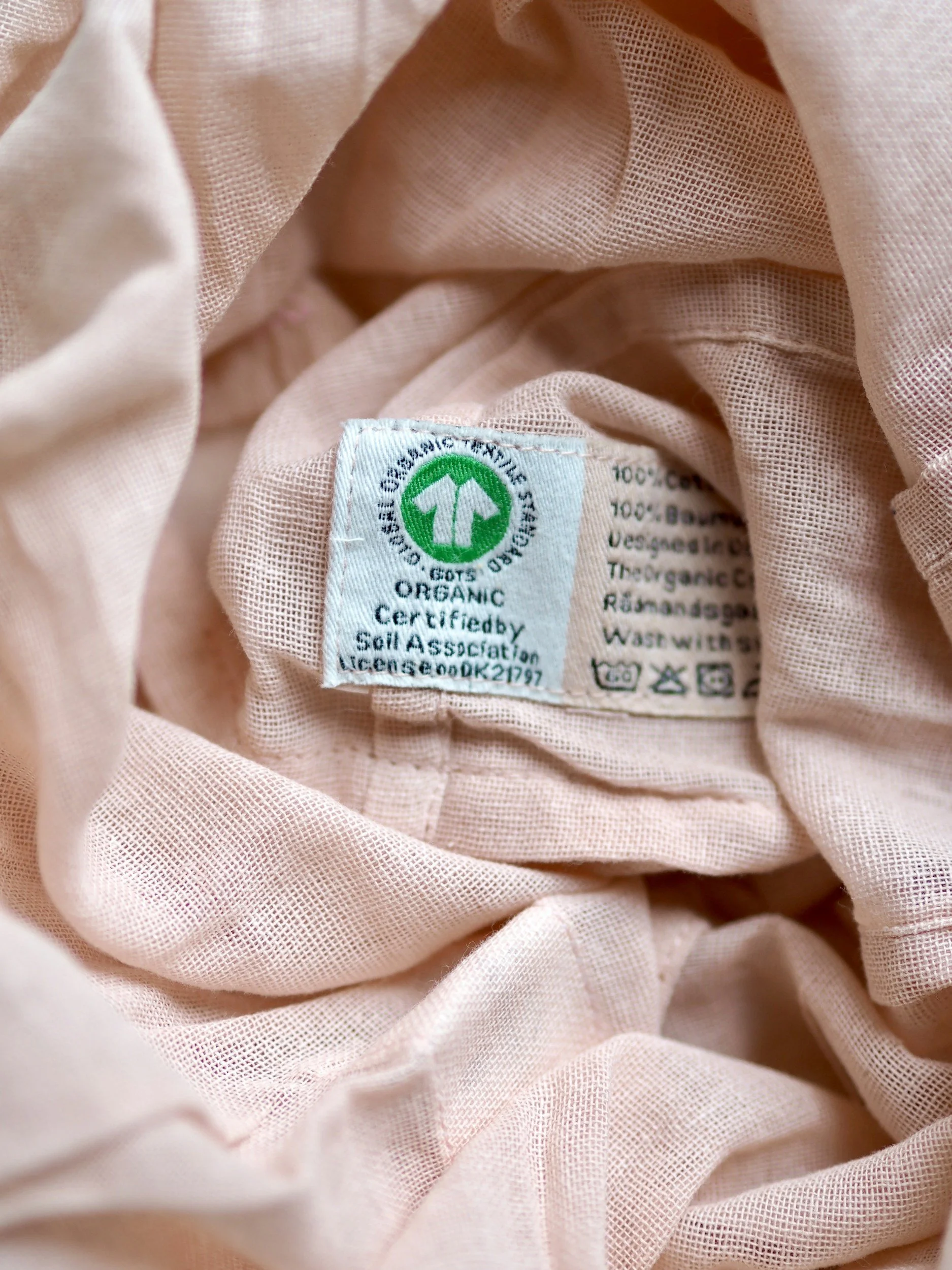
GOTS (Global Organic Textile Standard) is widely regarded as the gold standard for textiles. It ensures:
Fibers are organic and processed without harmful solvents
Environmentally responsible production, including water and energy management
Safe dyes and finishing chemicals for direct skin contact
Oeko-Tex Standard 100 evaluates finished textiles for harmful substances, including heavy metals and skin irritants, making it ideal for baby clothes, pajamas, and bedding.
Why it matters: Non-organic fibers can carry pesticides, formaldehyde, and other chemicals that irritate sensitive skin or disrupt endocrine systems. Choosing certified products minimizes your family’s exposure to behavioral toxins and VOCs.
Shopping tips:
Prioritize GOTS-certified sleepwear for littles and bedding.
Look for Oeko-Tex labels on baby items.
Favor organic fibers for items in close skin contact.
2. Furniture & Wood Products
Furniture and wood products can be hidden sources of VOC emissions, formaldehyde, and synthetic flame retardants. Certifications to trust include:
Greenguard Gold Certification: Limits VOC emissions, supporting indoor air quality safe for children and sensitive adults.
Forest Stewardship Council (FSC): Ensures wood comes from responsibly managed forests, protecting ecosystems. When paired with low-VOC finishes and non-toxic manufacturing, FSC-certified wood products help create safer, healthier furniture for your home.
GOLS (Global Organic Latex Standard): Verifies latex used in mattresses, cushions, and some furniture is organic and free from harmful chemicals.
Made Safe: Confirms products avoid developmental and reproductive toxins.
Practical tips:
Choose solid wood over engineered wood.
Avoid strong “new furniture” smells, which often indicate VOC emissions. If you notice this odor in something you already own, let it air out in a well-ventilated space until the smell dissipates.
Opt for zero-VOC finishes and paints for furniture.
Mom-to-mom story: I didn’t take my own advice and ordered a piece for our playroom that seemed convenient—only to be hit with a strong chemical smell when it arrived. I couldn’t keep it because the thought of my kids playing around those fumes made me uneasy, so I returned it and chose a Greenguard Gold-certified option instead. I should have just done that from the start! Knowing it’s tested for VOC emissions and chemical safety gave me real peace of mind for my kids’ lungs and developing nervous systems. Certifications like this aren’t just labels—they’re a practical way to keep everyday spaces safer.
3. Paints & Art Supplies
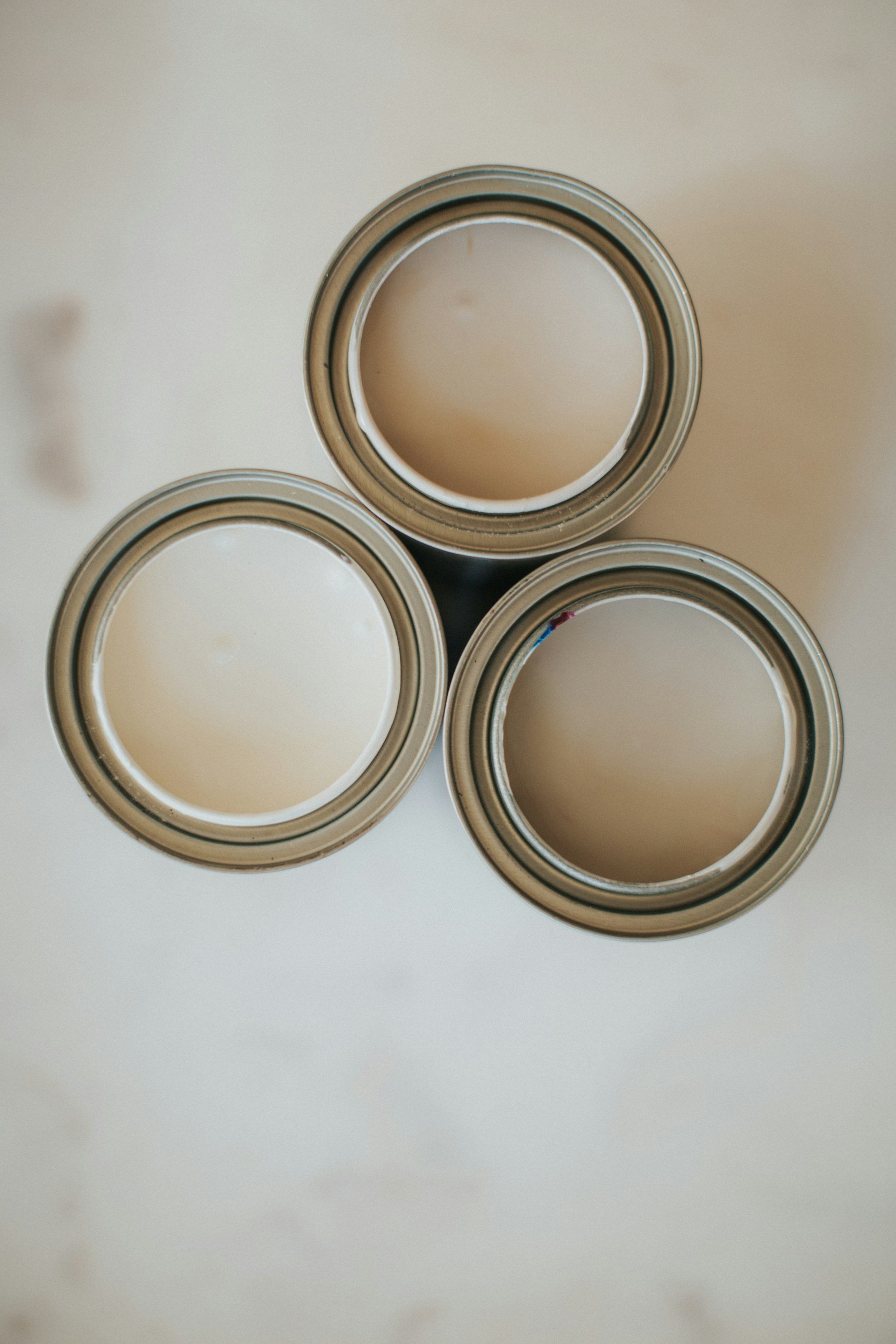
Paint and art materials can affect indoor air due to VOCs and toxic solvents. Certifications include:
ACMI AP Seal: Non-toxic certification (by a qualified toxicologist) for arts & crafts supplies.
Low- and zero-VOC paints: Choosing these may reduce headaches, eye irritation, and long-term exposure to harmful VOCs. Zero-VOC paints are my preference.
Shopping tips:
Verify VOC levels on the label.
Choose certified art supplies for craft time with kids.
Remember that even certified paints should be used in well-ventilated spaces.
4. Kids’ Toys
Toys often come into direct contact with skin and mouths, making certification crucial:
ASTM F963 (US safety standard): Ensures heavy metals and toxic substances are "limited" in toys.
GOTS Certification: For plush or textile-based toys, ensuring organic fibers and safe dyes.
Practical tips:
Choose wood toys with non-toxic finishes.
Prefer solid wood over engineered wood or plastic-heavy options.
Prioritize GOTS certified plush toys made from 100% organic cotton
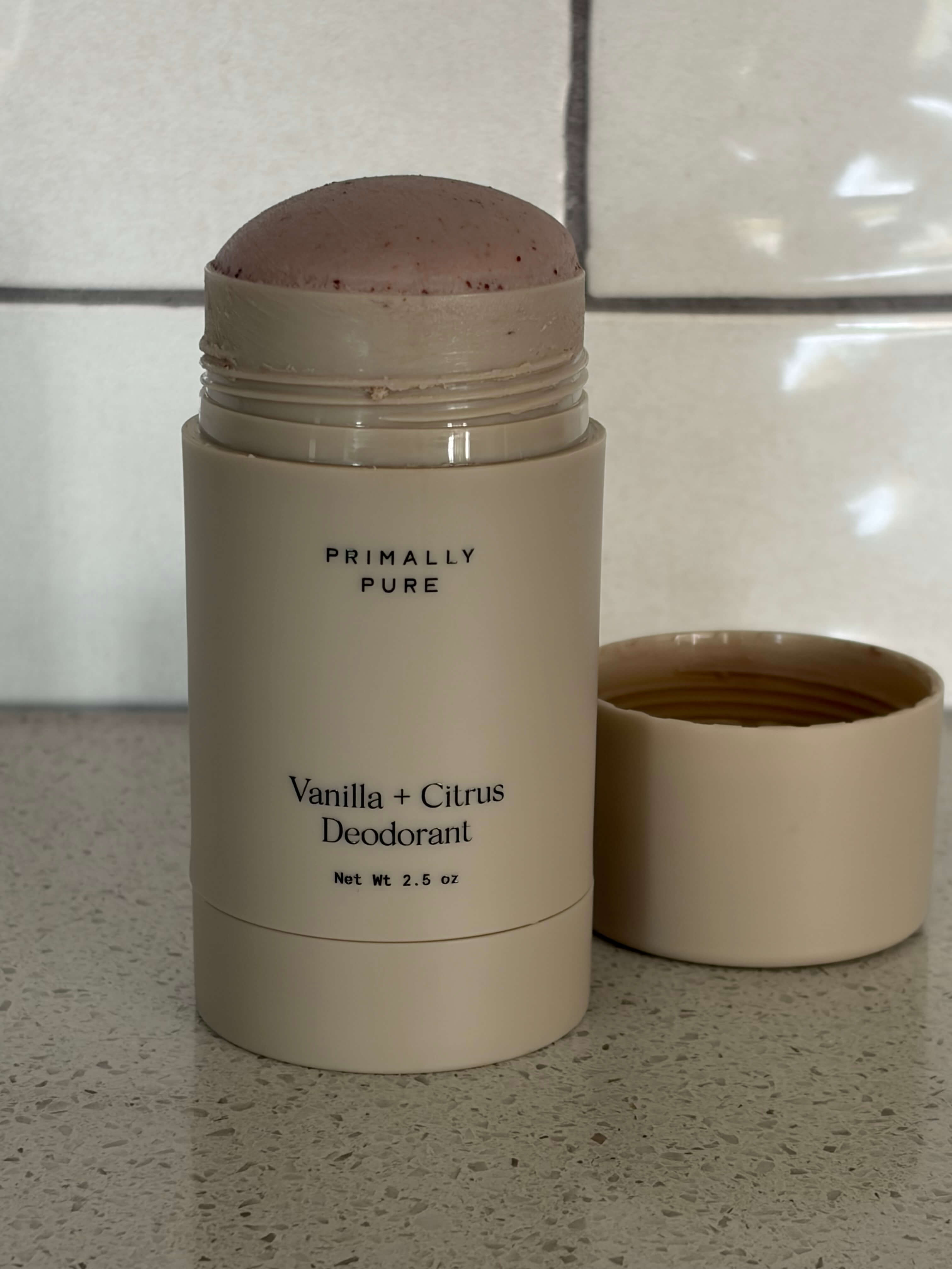
5. Personal Care Products
Personal care products are another source of daily chemical exposure. Certifications include:
EWG Verified: Ensures ingredients are safe for skin contact, free from endocrine disruptors and harmful chemicals.
Made Safe: Confirms avoidance of respiratory irritants and developmental toxins.
USDA Organic: Verifies that a product is made with a high percentage of certified organic ingredients, grown without synthetic pesticides, herbicides, or genetically modified organisms. While it doesn’t evaluate every aspect of formulation safety, it’s a strong indicator of cleaner raw materials and fewer toxic inputs at the agricultural level.
Together, these certifications help ensure personal care products support both skin health and overall environmental health—something that matters when these products are part of our daily routines.
Mom-to-mom story: Switching to EWG-verified body wash and organic, grass-fed tallow-based lotions helped my sensitive-skinned child avoid rashes, proving the impact of choosing truly safe ingredients.
How to Read Labels and Spot Trusted Certifications
Reading labels is a skill every parent should develop:
Look for credible third-party certifications (Greenguard Gold, GOTS, Made Safe, Oeko-Tex, ACMI AP, EWG Verified).
Ignore vague marketing claims like “chemical-free” or “all-natural.”
Check the materials and ingredients: organic fibers, solid wood, low-VOC finishes, latex, or plant-based ingredients.
Prioritize high-exposure products: items in skin contact, children’s rooms, or daily-use products.
Understand limits: certifications often allow low, "safe" levels of certain chemicals—this is different from being completely chemical-free.
Quick reference chart:
| Category | Certification | What It Covers |
|---|---|---|
| Clothing & Textiles | GOTS, OEKO-TEX® | Organic fibers, harmful substances, safer dyes |
| Furniture | GREENGUARD Gold, FSC, GOLS, MADE SAFE® | Low VOC emissions, safer materials, non-toxic finishes |
| Paints & Art Supplies | GREENGUARD Gold, ACMI AP | VOC emissions, harmful chemicals |
| Kids’ Toys | ASTM F963, GOTS | Heavy metals, endocrine disruptors, safer textiles |
| Personal Care | EWG Verified®, MADE SAFE®, USDA Organic | Safer ingredients, endocrine disruptors, harmful chemicals |
Shopping Safe Across Categories
Tips to make informed choices:
Prioritize high-exposure items: furniture, bedding, toys, clothes and personal care products.
Compare certifications: multiple certifications usually indicate stricter safety standards.
Consider environmental impact: certified non-toxic products often have eco-friendly production and sustainable materials.
Verify third-party validation: avoid “non-toxic claims” without verification.
Balance safety and practicality: It’s okay to balance safety with what’s practical for your season of life. I didn’t replace everything at once, and you don’t have to either. Start with the products you use daily, and build from there—small, steady swaps truly add up.
What Non-Toxic Certifications Don’t Cover (and How to Shop Smarter Anyway)
As helpful as non-toxic certifications are, they aren’t magic — and understanding their limitations actually makes you a more confident, informed shopper.
Most certifications focus on specific criteria: chemical emissions, restricted substances, raw materials, or production processes. Some prioritize human health, others environmental impact, and some balance both. Very few certifications address everything, and none can account for individual sensitivities or real-life use once a product enters your home.
For example, a certified non-toxic piece of furniture may meet strict VOC emission standards, but still have a strong “new smell” at first. A textile may be certified organic, but layered with dyes or finishes that affect sensitive skin differently.
This doesn’t mean certifications aren’t valuable — it means they work best as part of a bigger picture. Pairing third-party certifications with thoughtful material choices (like solid wood over engineered wood, or organic fibers over synthetics), good ventilation, and realistic expectations goes a long way.
It’s also worth remembering that non-toxic living is not all-or-nothing. Replacing everything at once isn’t necessary — or sustainable. Certifications help simplify decision-making, reduce guesswork, and support safer products over time, without demanding perfection.
The goal isn’t a flawless home. It’s a healthier one, built intentionally, at a pace that supports both your family and the planet.
Non-toxic and sustainable aren’t always the same thing, which is why understanding the difference can help you make more intentional choices for your home. If you’re weighing sustainability claims alongside health concerns, my post on the difference between sustainable vs. non-toxic products—and why both matter explains how these priorities overlap (and where they don’t).
Why Consumer Awareness Matters
Understanding certified non-toxic products helps reduce exposure to toxic chemicals, VOCs, and endocrine disruptors. It also encourages brands to improve environmental health standards, use sustainable raw materials, and avoid persistent organic pollutants. Each informed purchase supports safer products for your family and the planet.
If you want to take this a step further, learning how to read a non-toxic label when everything claims to be clean can help you confidently evaluate products beyond marketing language.
Practical Tips for Moms and Families
Create a Safe Space: Focus on certified non-toxic furniture, bedding, and paint in children’s rooms.
Choose Eco-Friendly Materials: Organic fibers, solid wood, and certified latex.
Swap Gradually: No need to replace everything at once—start with high-exposure products.
Teach Kids About Safe Materials: Involve them in choosing toys, art supplies, and clothing.
Check New Products: Always verify certifications before bringing new items into your home.
Common Misconceptions & Greenwashing
Many brands use “non-toxic” as a marketing tool without credible verification. Watch for:
Synthetic fragrances and vague ingredient lists
Claims of being “chemical-free” or “all-natural” without certification
Products marketed as safe for everyone but lacking third-party verification
Being able to spot these pitfalls ensures your family truly benefits from safe and sustainable products.
FAQs
Q: Are low-VOC paints really safe?
A: Low-VOC paints reduce chemical emissions, but choose certified low- or zero-VOC options and ensure ventilation during and after application.
Q: Can certified non-toxic products still cause allergies?
A: Yes. Certifications ensure safety from toxic chemicals, but individuals may still react to natural ingredients like essential oils or plant extracts.
Q: Is organic clothing always non-toxic?
A: Organic fibers reduce chemical exposure, but check for dye safety, finishing chemicals, and certifications like GOTS or Oeko-Tex.
Final Thoughts
Certified non-toxic isn’t just a label—it’s a gold standard backed by science and third-party verification. By understanding certifications, reading labels, and making informed choices, parents can reduce exposure to toxic chemicals, VOCs, and endocrine disruptors, protect indoor air quality, and support eco-friendly production practices.
Every purchase—whether a piece of furniture, a kids’ toy, or a personal care product—is an opportunity to make a positive impact on both your family’s health and the planet. Small, consistent steps toward certified non-toxic living can transform your home into a safer, healthier, and more sustainable space for everyone.
Latest on the blog