Pima Cotton vs Organic Cotton: Which Is Better?
If you’ve been researching pima cotton vs organic cotton, you’re probably trying to make more intentional choices for your home and family.
Maybe it’s bedding, baby clothes, or everyday wardrobe basics. Or maybe you’re curious about the differences between different types of cotton in the textile industry.
Both Pima cotton and organic cotton are natural fibers — but they’re not the same. This guide walks through softness, durability, environmental impact, and certified organic standards, so you can choose fabrics that truly support a cleaner, toxin-free home.
If you’re ready to take simple, doable steps toward cleaner living, start with my 7 Days to a Non-Toxic Home guide.
Understanding Cotton Types
Cotton is one of the most common natural fibers in the world, and the textile industry uses several different types. Some of the most common include:
Regular cotton (upland/standard cotton): Widely grown, lower cost, but shorter fibers and often higher chemical inputs.
Pima cotton: Extra-long staple cotton known for softness and durability.
Egyptian cotton: Also long-staple, often considered luxurious.
Certified organic cotton (ex: GOTS): Grown and processed under strict standards, free from harmful pesticides and toxic chemicals.
Most cotton products labeled simply as “100% cotton” are made from upland or standard cotton and may still involve the use of synthetic pesticides, chemical fertilizers, and conventional processing methods.
That’s where certified organic truly matters.
When cotton carries a trusted certification like the Global Organic Textile Standard (GOTS), it means the fabric isn’t just grown without harmful pesticides — it’s also processed under strict guidelines that limit toxic chemicals, hazardous dyes, and harsh finishing treatments.
In other words, certification helps ensure that the cotton fabrics touching your skin were thoughtfully grown and responsibly made — from soil to finished product.
For families focused on reducing everyday toxin exposure, that third-party verification is what turns “organic” into something meaningful.
If you’d like a deeper breakdown of what seals actually mean (and which ones are mostly marketing), you can read more here:
Certifications That Actually Matter (and the Ones That Don’t)
What Is Pima Cotton?
Pima cotton comes from the species Gossypium barbadense and is known for producing extra-long staple fibers.
Those longer fibers are what give Pima cotton fabric its unique characteristics:
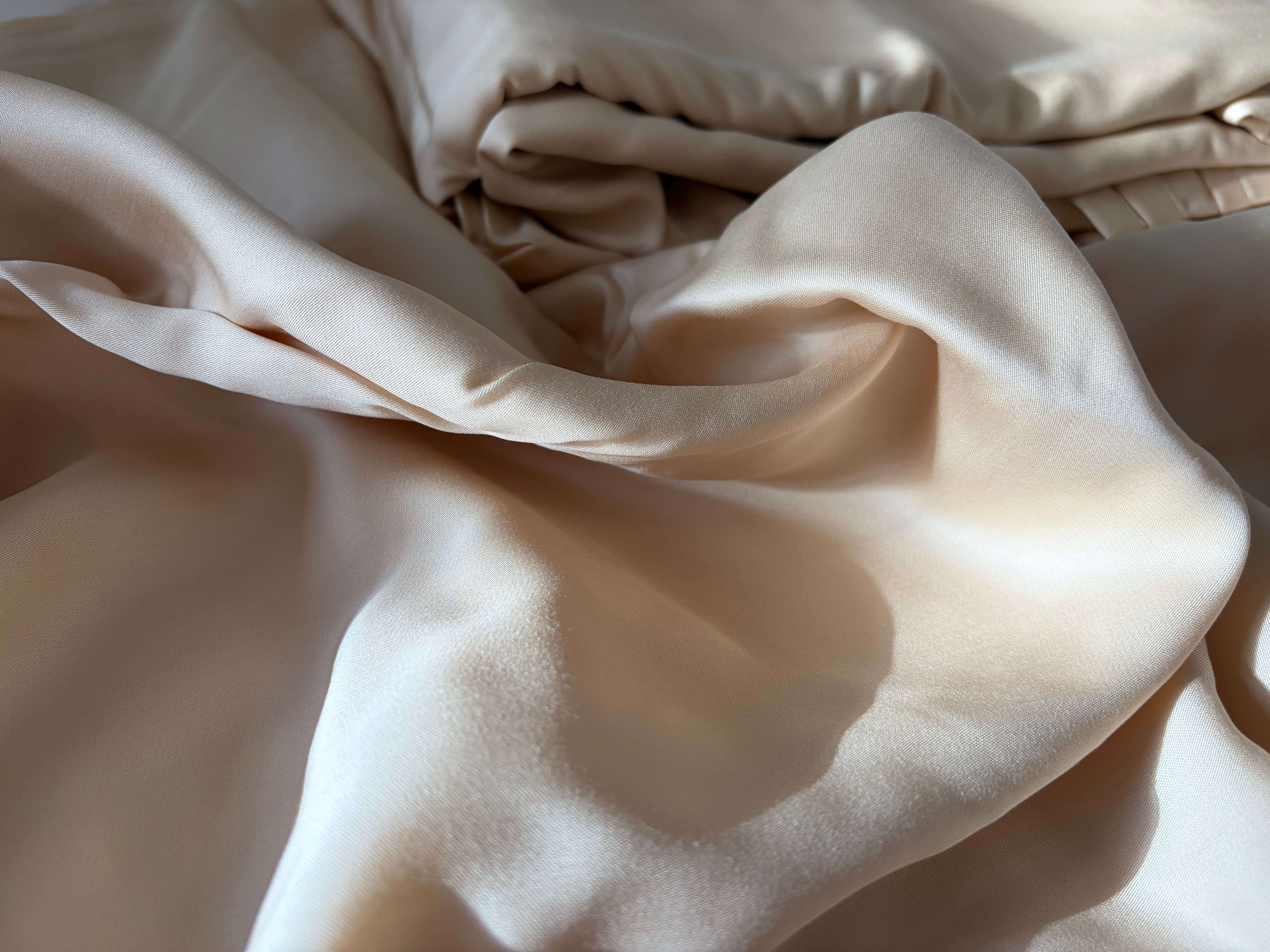
Smooth, soft texture
Fewer loose fibers and less pilling
Stronger, more durable fabric
A luxurious feel that holds up over a long time
It’s easy to see why Pima cotton is often considered a high-quality, premium option. The extra-long fibers truly do create a beautiful fabric.
But here’s the important distinction: Pima refers to fiber length — not how the cotton was grown or processed.
Pima cotton can still be cultivated using chemical pesticides, synthetic fertilizers, and conventional dye treatments unless it carries an organic certification.
So if your goal is choosing cotton fabrics that support sustainable, toxin-free living, fiber quality is only part of the equation. The best way to ensure your fabrics were grown and finished responsibly is to look for certified organic standards — ideally GOTS.
Because softness is wonderful.
But softness plus verified non-toxic processing? That’s an even better choice.
What Is Certified Organic Cotton?
Certified organic cotton isn’t about fiber length — it’s about how the cotton is grown, harvested, and turned into fabric.
And that distinction matters.
When you’re shopping for organic textiles, look specifically for GOTS-certified organic cotton. The Global Organic Textile Standard is widely considered the gold standard for non-toxic fabrics because it verifies the entire process — not just the farming.
GOTS certification means:
No use of synthetic pesticides or harmful chemicals
No genetically modified seeds
Strict limits on toxic dyes and finishing treatments
Responsible wastewater treatment
Full traceability throughout the supply chain
So it’s not just about cotton being grown organically in the field. It’s about ensuring the final cotton fabrics — the sheets, the baby clothes, the everyday basics — meet meaningful environmental and health standards before they ever reach your home.
For families who care about reducing exposure to harsh chemicals and choosing more sustainable practices, GOTS-certified organic cotton is more than a good choice — it’s the most reliable one.
Because when it comes to what rests against your skin night after night, verified matters.
Want to learn more about how GOTS ensures safe, non-toxic processing from farm to final product? Check out the full details on all processing stages here.
Quick Comparison: Pima Cotton vs GOTS-Certified Organic Cotton
| Feature | Pima Cotton | GOTS-Certified Organic Cotton |
|---|---|---|
| What It Refers To | Fiber length (extra-long staple) | How cotton is grown and processed |
| Softness | Silky, smooth, luxurious feel | Depends on fiber type; very soft if long-staple |
| Durability | Strong, resists pilling | Durable when high-quality fibers are used |
| Chemical Exposure | May involve chemical pesticides & conventional dyes | No harmful pesticides, strict dye & processing limits |
| Environmental Standards | Varies by farm | Verified sustainable practices |
| Cost | Premium price for fiber quality | Higher cost due to certification & lower yields |
| Best For | Prioritizing softness | Prioritizing non-toxic, verified standards |
Bottom line:
Pima cotton is about feel.
GOTS-certified organic cotton is about safety, standards, and sustainability.
If reducing chemical exposure and choosing responsibly made cotton fabrics is your priority, certified organic cotton is the clear winner.
And if you want the softness of extra-long staple cotton plus verified non-toxic processing, organic Pima cotton offers the best of both.
Curious what that organic label really covers — and what it doesn’t? I unpack it in The Truth About Organic Products: What That Label Really Means.
Environmental Impact & Sustainable Practices
How cotton is grown has a real impact — not just on fabric quality, but on soil, water, and surrounding communities.
Conventional cotton farming often involves:
Use of chemical pesticides
Synthetic fertilizers
Heavy irrigation in some growing regions
Over time, these inputs can strain soil health and local water systems.
For a clear overview of how conventional cotton production impacts the environment, you can read more at the International Science Council’s analysis of cotton’s environmental footprint.
Certified organic cotton farming takes a different approach. It focuses on long-term soil health and reduced chemical exposure through:
Crop rotation to naturally replenish nutrients
Soil-building practices instead of synthetic fertilizers
Avoidance of harmful pesticides
Responsible processing standards that limit toxic dyes and treatments
Because organic systems rely on natural soil management rather than chemical shortcuts, yields are sometimes lower. That’s one reason certified organic cotton can come at a higher cost.
For many families, that premium feels like an investment — supporting more sustainable practices while choosing fabrics that align with a lower-toxin lifestyle. But it’s also important to say this clearly: you don’t have to replace everything overnight to live more intentionally.
Small swaps still matter. Choosing organic for the items closest to skin (like sheets, pajamas, or baby clothes), shopping secondhand, washing new textiles before use, or simply prioritizing quality over quantity can all meaningfully reduce exposure. A lower-toxin home is built gradually — one thoughtful decision at a time.
For a detailed look at the ecological and social standards behind GOTS-certified cotton, see GOTS Key Features: Ecological & Social Criteria.
Softness, Durability & Real-Life Wear
When choosing between different cotton types, it helps to think beyond the label and ask:
How will this actually hold up in my home?
Sheets are washed weekly.
Baby clothes are washed constantly.
Everyday basics go through real wear.
Extra-long staple cotton — whether Pima or organic long-staple — tends to:
Pill less over time
Maintain shape longer
Feel softer wash after wash
But longevity isn’t just about fiber type. It’s also about care.
To help cotton fabrics last:
Wash in cold water
Dry on low heat
Skip harsh softeners (we don’t use them — wool dryer balls are usually enough to keep things soft)
Avoid over-drying, which can stress natural fibers
When you invest in high-quality cotton and care for it gently, you extend its life — which supports both sustainability and your budget over the long term.
Sensitive Skin & Everyday Use
For items worn close to the skin — like baby clothes, sleepwear, or everyday underlayers — comfort matters as much as safety.
Certified organic cotton is naturally soft, breathable, and gentle, making it ideal for:
Baby essentials that get worn and washed frequently
Underlayers and pajamas for sensitive skin
Everyday clothing basics
Choosing organic cotton fabrics helps reduce irritation while keeping your home and family in mind. It’s a small swap that can make a big difference in daily comfort and long-term peace of mind.
If you’re curious about how certain dyes and textile treatments interact with skin, here’s more on textile dye reactions and skin sensitivity from DermNetNZ.org.
Where to Invest: A Practical Buying Guide
Here’s where choosing certified organic cotton can make the biggest difference for comfort, longevity, and peace of mind in your home:
Sheets & Bedding
Used every night and washed often, so quality and safety matter.
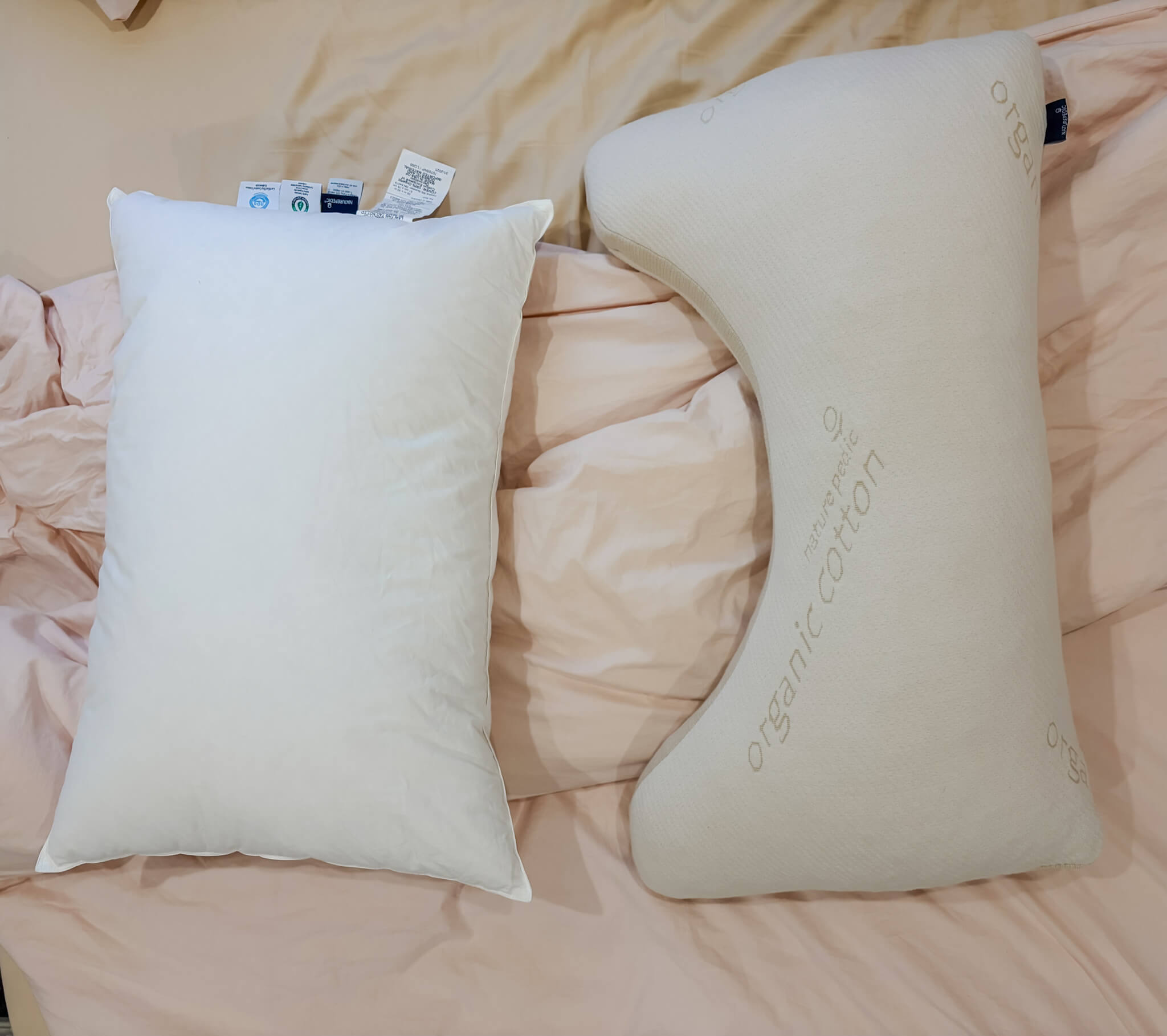
Choose organic Pima or long-staple cotton
Stick to 100% certified organic cotton — avoid conventional or synthetic blends
→ Shop our favorite GOTS-certified organic long-staple cotton sheets
Soft, strong, and long-lasting — the easiest way to build a toxin-free bedroom.
Baby Clothes
GOTS-certified organic cotton
Soft, breathable fabrics processed with non-toxic, GOTS-approved dyes
Simple, durable designs that hold up to frequent washing
→ These are the GOTS-certified organic baby basics we’ve been using for years
Soft, long-lasting, and thoughtfully made for little ones.
Women’s Everyday Clothing
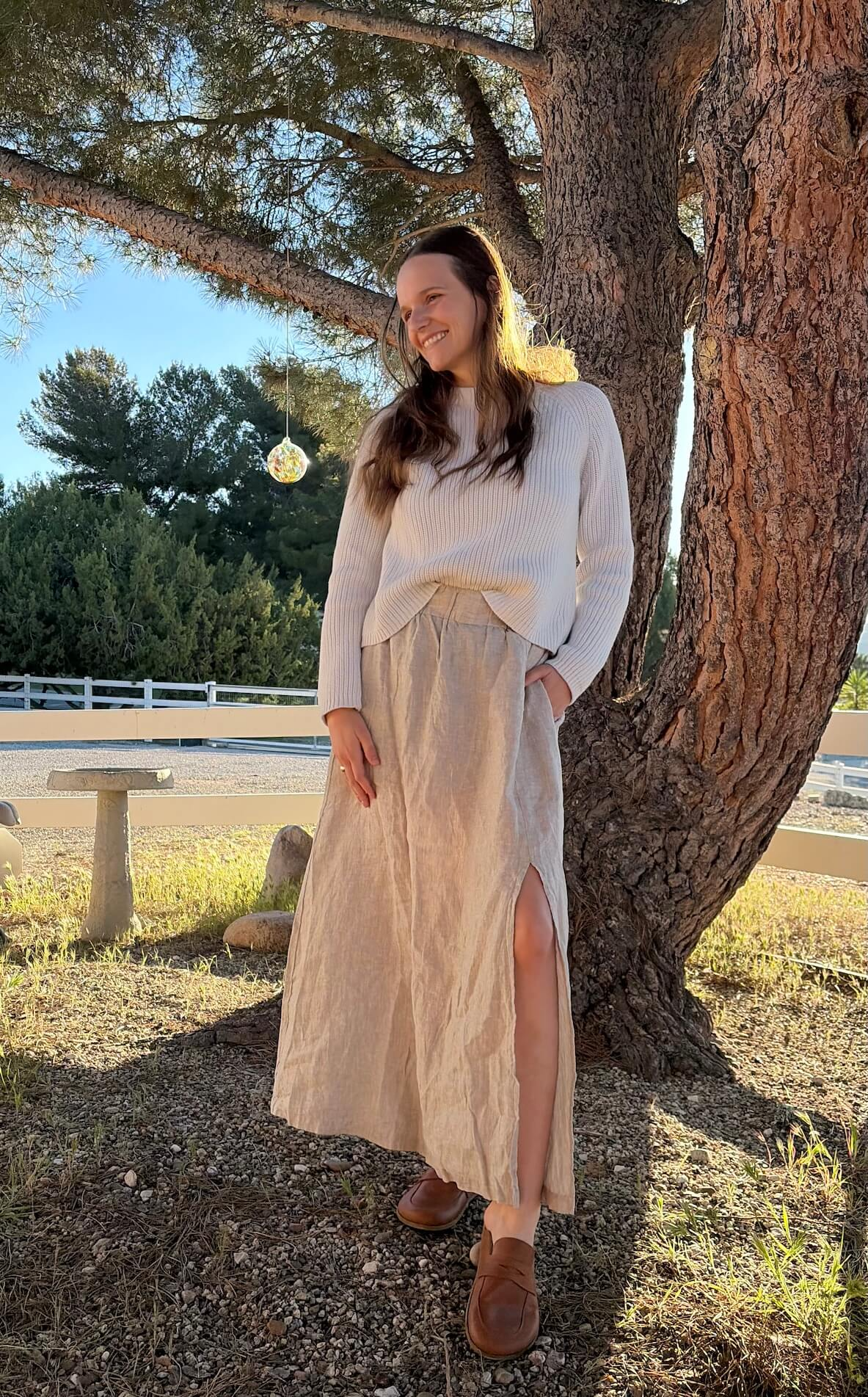
100% GOTS-certified organic cotton for all daily staples
Long-staple organic cotton for elevated basics that last longer
Organic Pima cotton for extra-soft sleepwear or lounge pieces
→ Shop Fair Indigo on Amazon: My go-to GOTS-certified organic pima cotton wardrobe staples
Breathable, comfortable, and thoughtfully made to last — organic is always my first choice for everyday wear.
→ Read my full Fair Indigo review here
Underwear & Sleepwear
100% GOTS-certified organic cotton is the best choice for items worn close to the skin
Organic long-staple or Pima cotton for extra-soft sleepwear and lounge pieces
→ Our favorite breathable GOTS-certified organic pima cotton sleepwear and underwear
A simple swap for comfort, durability, and a toxin-free home.
Towels & Household Textiles
100% GOTS-certified organic cotton for durability and safety
Long-staple organic cotton for extra absorbency and long-lasting use
→ Our favorite GOTS-certified organic long-staple cotton towels
Soft, strong, and built to hold up wash after wash — a simple way to bring sustainable, non-toxic textiles into your home.
How to Read Cotton Labels Quickly
Pima cotton: Refers to fiber length (extra-long staples), not growing practices
Organic cotton: Grown without harmful pesticides, but processing may still use conventional chemicals
Certified organic cotton (GOTS): Verified from farm to finished product, including processing and dyes
“100% cotton”: Only indicates fiber content — does not guarantee quality, softness, or non-toxic standards
Looking for fabrics you can trust? GOTS certified organic cotton ensures your products are safe, durable, and responsibly made.
People Also Ask
Is Pima cotton better than organic cotton?
Pima cotton is prized for its extra-long fibers, softness, and durability. But for families prioritizing non-toxic, responsibly made fabrics, certified organic cotton (GOTS) is the better choice — it combines quality with verified sustainable and non-toxic standards.
Is organic cotton softer than regular cotton?
Softness depends on the fiber type. Certified organic cotton — especially long-staple varieties — can be just as soft as conventional cotton fabrics, while also offering verified non-toxic and sustainable processing.
Is organic Pima cotton worth it?
If you ask me, absolutely — with a little nuance. Organic Pima cotton is considered a higher-end fabric because you’re paying for two things: the extra-long staple fibers that create that silky, durable feel and the verification of GOTS certification. That combination makes it a beautiful choice for bedding, sleepwear, baby clothes, and everyday staples that are worn and washed often.
That said, if GOTS-certified Pima cotton isn’t in the budget, I would personally prioritize sticking with GOTS certification first. The fiber type affects softness and feel — but the certification is what verifies non-toxic processing and sustainable standards.
Comfort matters. Budget matters. Verified standards matter. And building a lower-toxin wardrobe can still happen one thoughtful layer at a time.
Final Thoughts
Pima cotton is soft, smooth, and durable — a beautiful option for everyday comfort.
But when it comes to verified safety and sustainability, GOTS-certified organic cotton stands out as the most reliable choice for families focused on lower-toxin living.
If you’re able to invest in both comfort and certification, organic Pima cotton truly offers the best of both worlds: extra-long fibers paired with rigorous organic standards. And if that higher-end option isn’t realistic right now, choosing GOTS-certified cotton in any fiber type is still a meaningful step in the right direction.
Even small, intentional swaps — a sheet set, a season of baby clothes, or a few wardrobe basics — add up over time and help create a cleaner, healthier home.
Certified organic cotton isn’t just a fabric. It’s a thoughtful choice that supports more sustainable farming, safer processing, and well-made textiles designed to last — at whatever pace works for your family.
Not sure whether to prioritize sustainable or non-toxic first? I break it down simply in Sustainable vs. Non-Toxic: What’s the Difference and Why Both Matter.
Latest on the blog