7 Best Organic Clothing Brands for Women Who Want Safer, Natural Fabrics
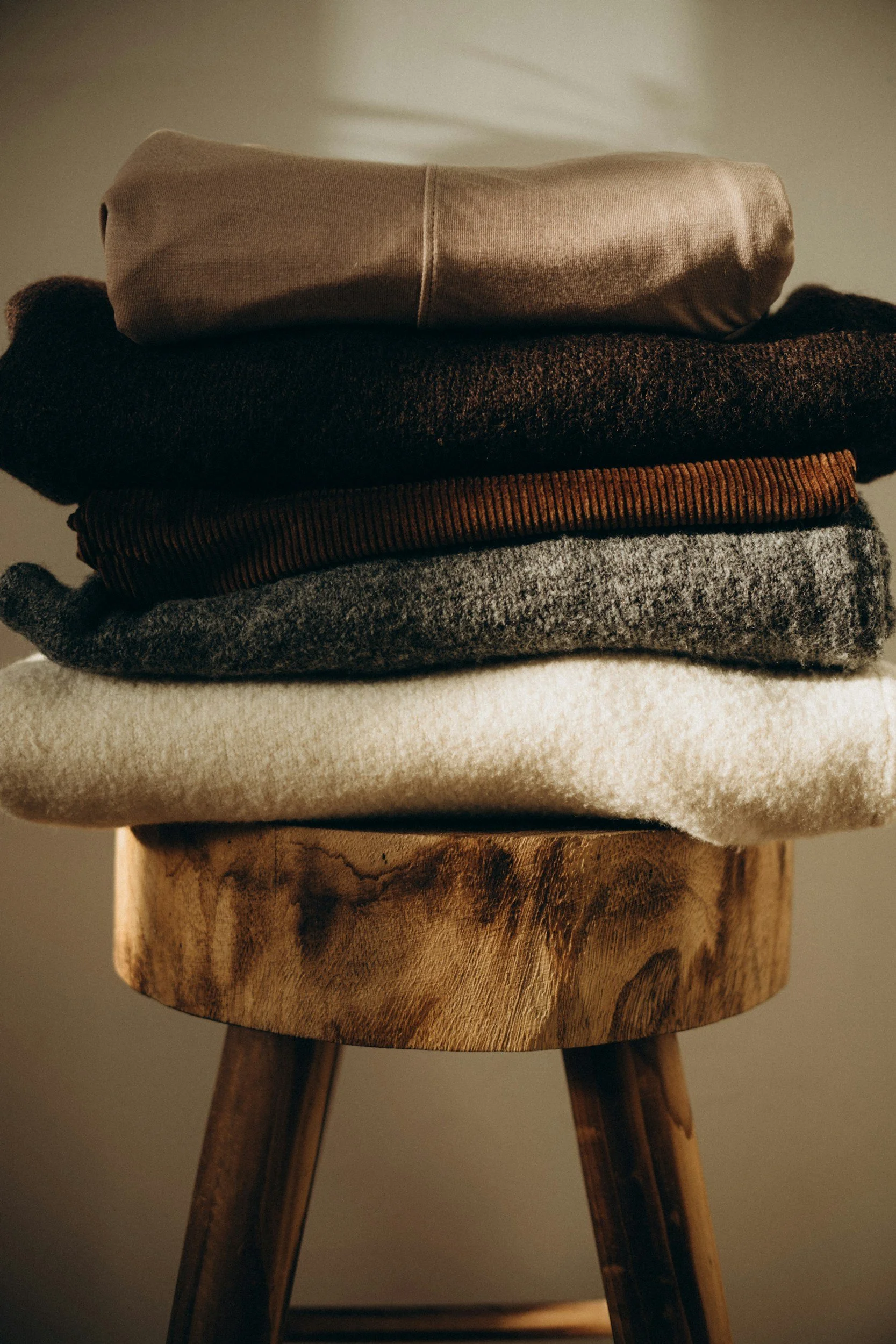
If you’ve ever tried to build a wardrobe made from organic and non-toxic clothing, you know it can feel overwhelming at first.
Terms like sustainable, natural, and eco-friendly are everywhere in fashion — but they don’t always mean the same thing.
For anyone trying to make safer choices for themselves and their families, finding clothing made with organic fabrics and fewer harmful chemicals matters—but knowing which brands are truly worth it is the hard part.
Over time, I’ve discovered some wonderful organic clothing brands for women creating garments from organic cotton, hemp, and TENCEL™ — fabrics that are breathable, soft, and ethically made.
And the best part? Organic clothing doesn’t have to be boring. These brands prove that sustainable, non-toxic fashion can be fun, stylish, and incredibly comfortable.
In this guide, we’ll walk through why organic fabrics matter, what certifications actually mean, and the best organic clothing brands for women that are making safer, more sustainable clothing.
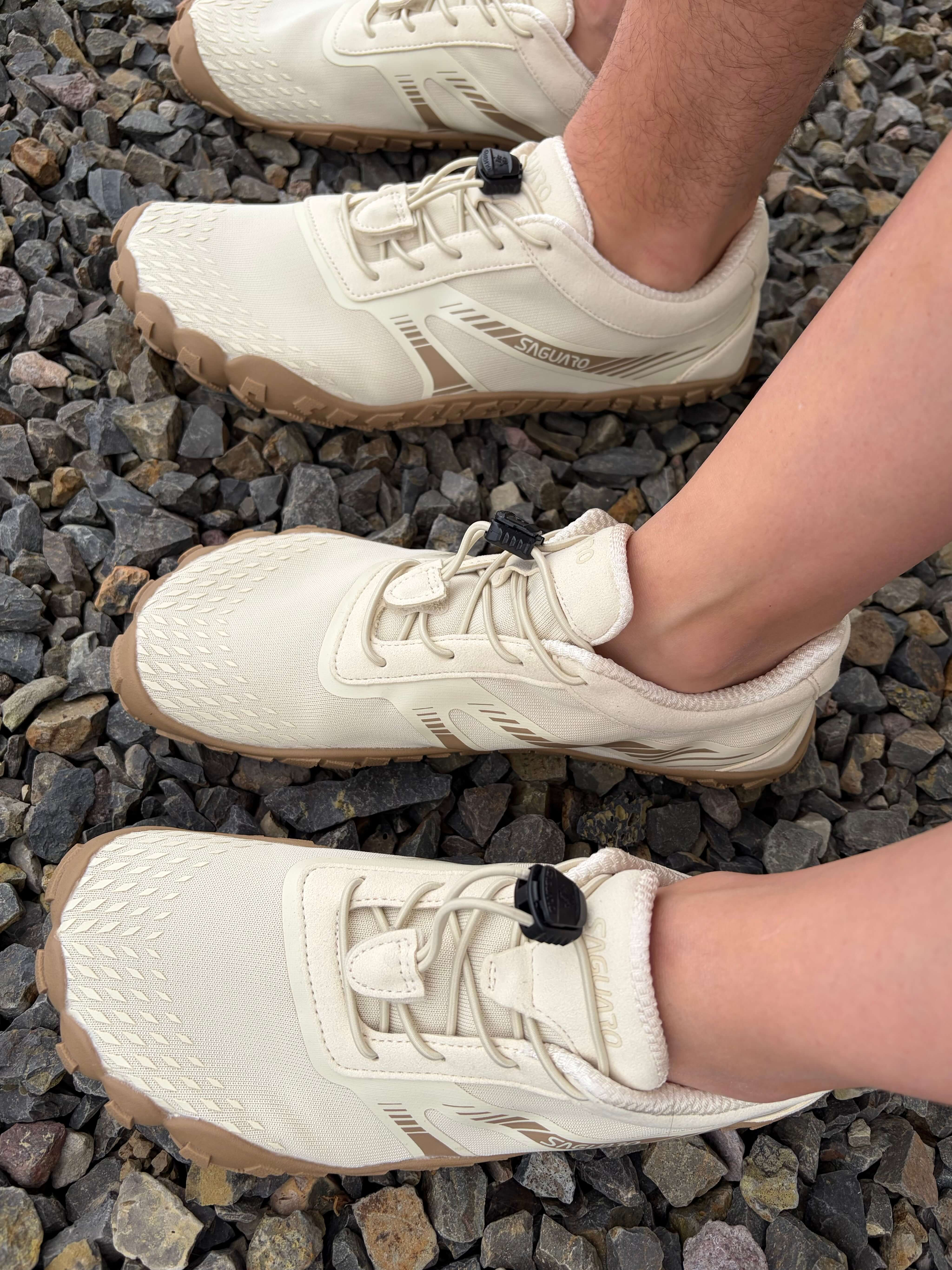
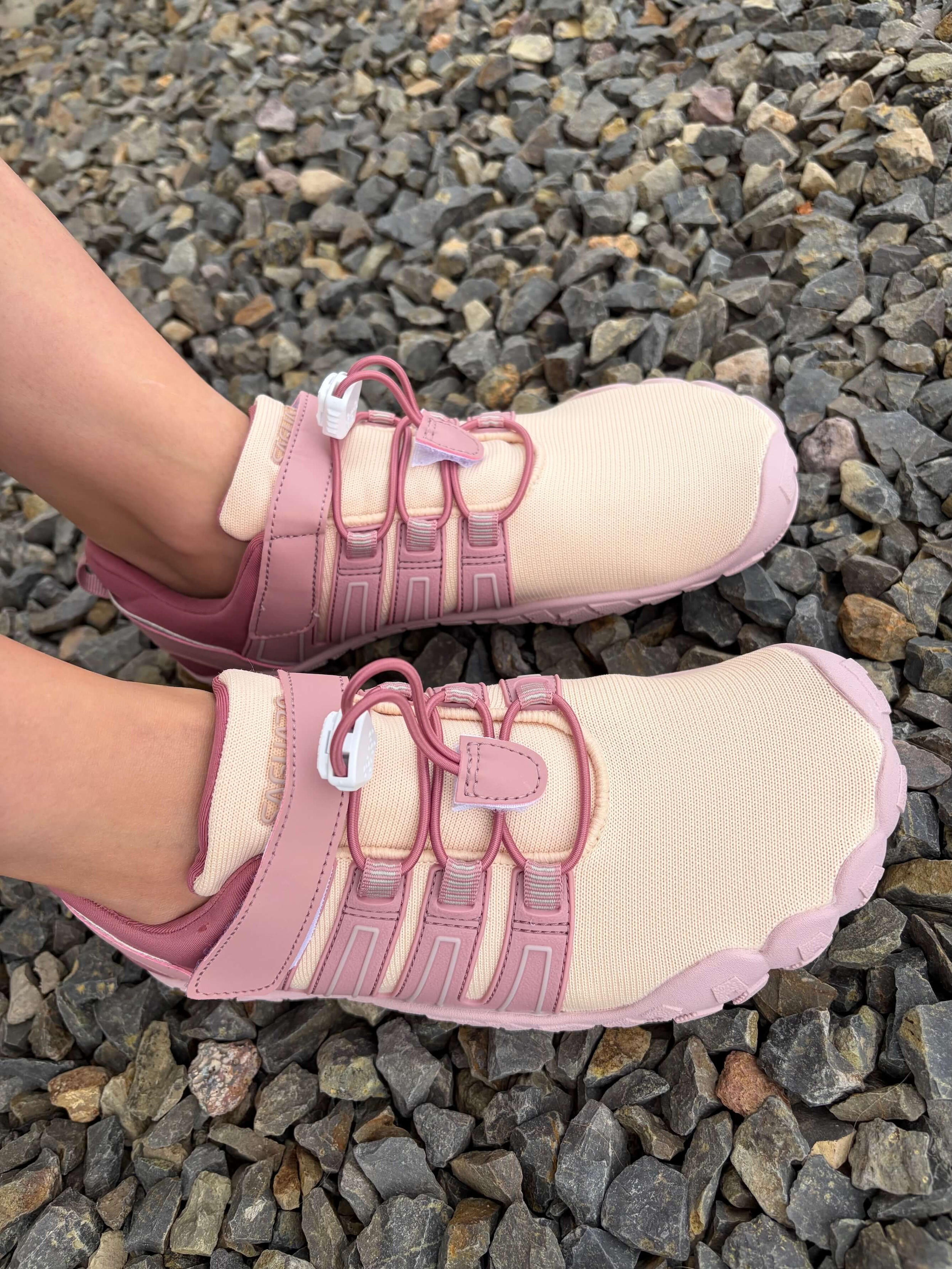
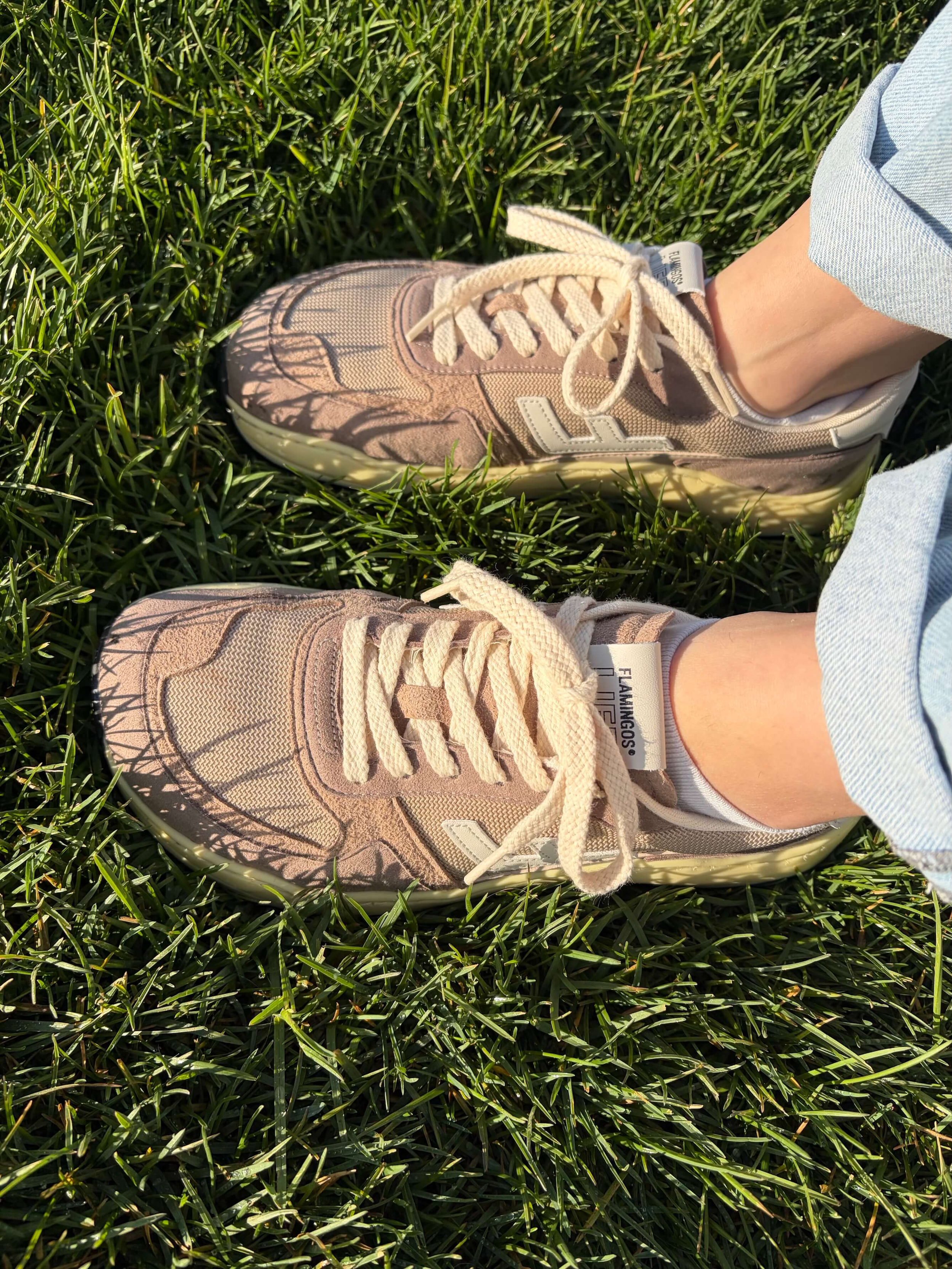
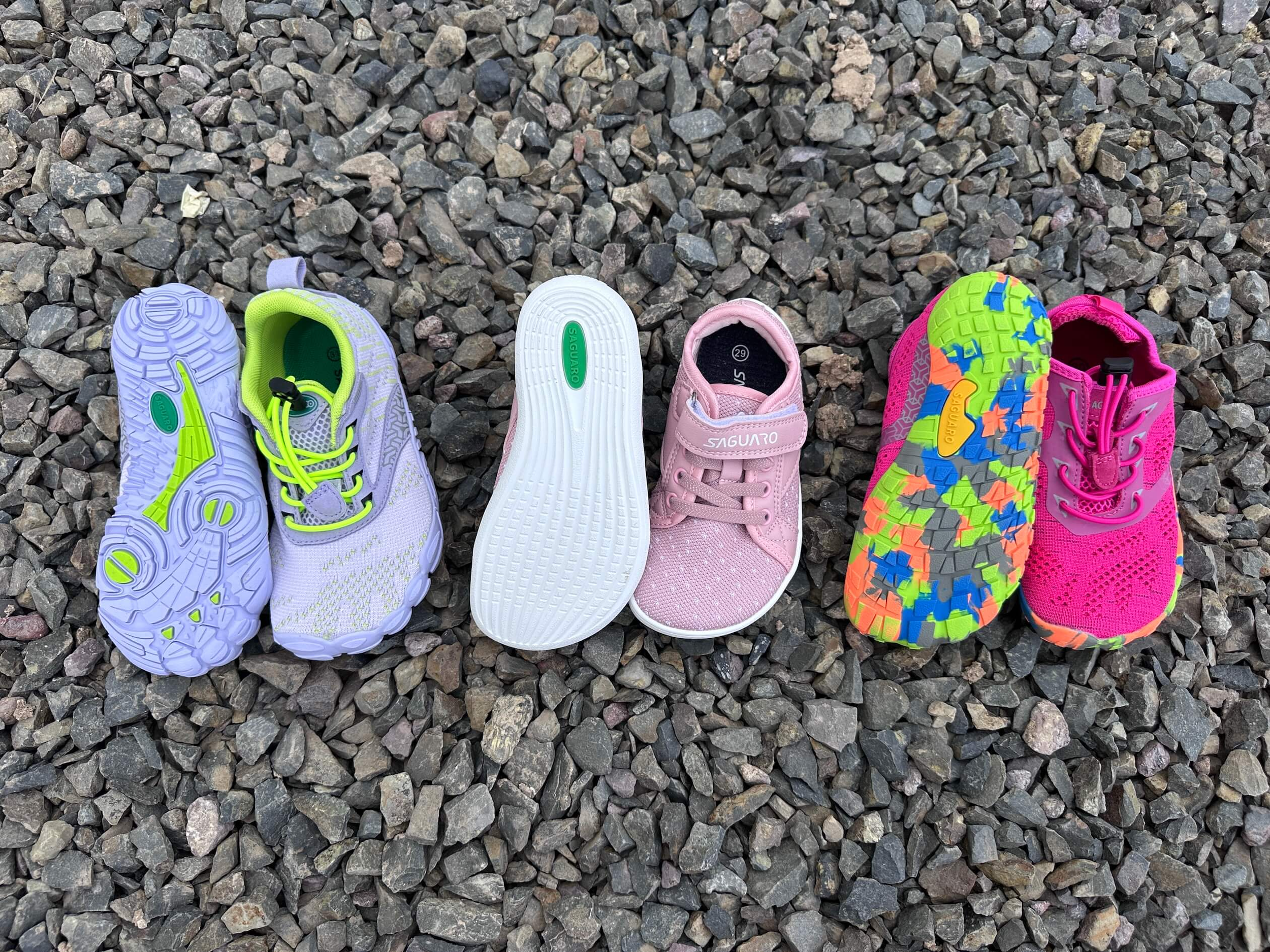
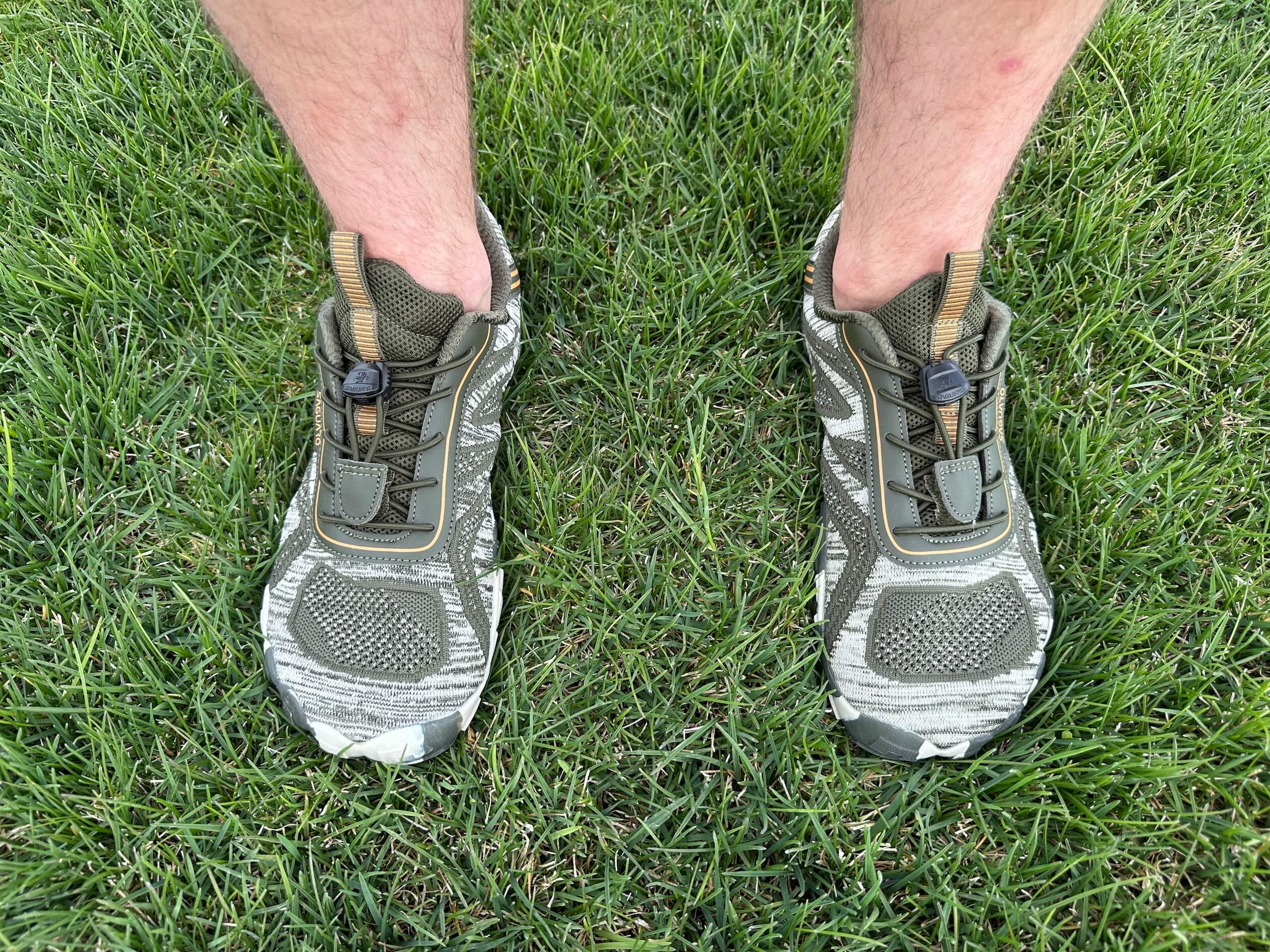
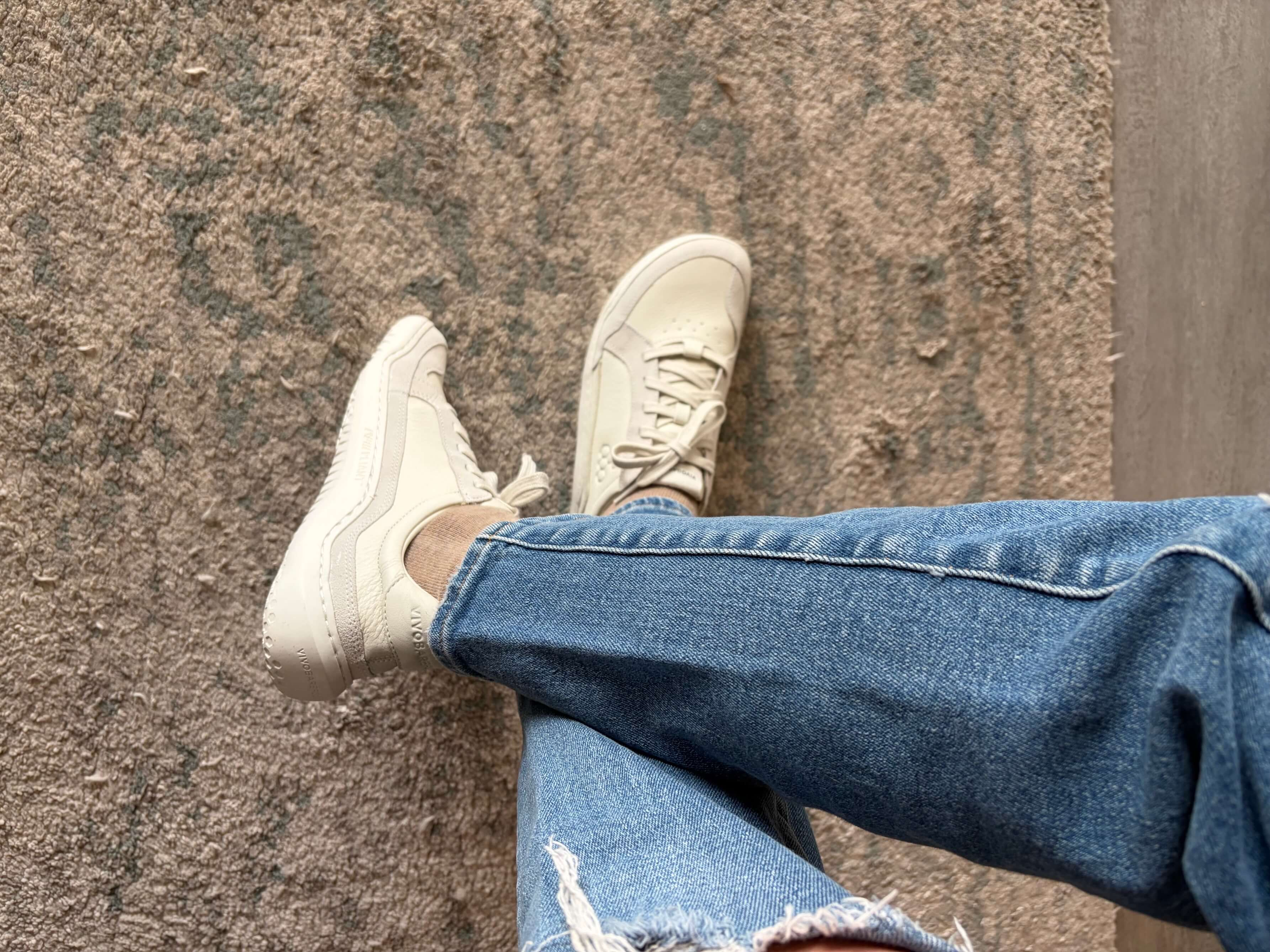
If you’re building a more intentional wardrobe, your shoes matter too—here’s what to know about barefoot shoes and natural footwear.
Why Choosing Organic Clothing Matters
The clothing we wear sits against our skin all day long, so the materials matter more than most of us realize.
Conventional clothing—especially cotton—can be heavily treated with pesticides, synthetic dyes, formaldehyde resins, and finishing chemicals during production. These substances may linger in the finished garment, and they also create a significant burden on the environment during manufacturing.
Organic clothing brands use fabrics grown and processed under stricter standards, reducing the use of harmful chemicals and often prioritizing safer dyes and better labor practices.
For women trying to reduce toxic load in everyday life, organic fabrics can be one meaningful step.
Benefits of Organic Clothing
Fewer pesticide residues in fabric production
Reduced exposure to harsh chemical finishes
Softer, more breathable natural fibers
Better for sensitive skin
Lower environmental impact
Often produced under better labor standards
And beyond health considerations, organic clothing tends to feel better. I notice that organic cotton, linen, and natural blends feel softer, breathe better, and last longer.

What to Look for in the Best Organic Clothing Brands for Women
Not all “organic” clothing is created equal.
Some brands use one organic fabric in a single collection and market the whole brand as eco-friendly. Others commit to strict sourcing and third-party certifications across every collection — those are the brands I trust most.
Here’s what to prioritize when choosing organic clothing brands:
1. Certified Organic Fabrics
Look for brands using certified organic cotton, organic linen, or organic wool. This means the fibers were grown without synthetic pesticides or fertilizers.
Not sure which labels are actually worth trusting? This guide breaks down the certifications that matter—and the ones that don’t.
2. Safer Dyeing and Processing
The fabric itself matters, but so does how it’s processed. Brands that avoid harmful dyes and finishing chemicals reduce the chemical burden of the final garment.
3. Third-Party Certifications
Certifications help verify claims and reduce greenwashing.
Before you trust another “clean” clothing label, learn how to spot greenwashing and avoid misleading marketing claims.
4. Transparent Supply Chains
The best brands clearly explain where fabrics are sourced and how garments are made.
5. Quality Over Quantity
Well-made organic basics may cost more upfront but often last longer and wear better.
Organic Clothing Certifications to Know
If you’ve seen certification logos and wondered what they mean, here’s a simple breakdown.
GOTS (Global Organic Textile Standard)
GOTS is considered the gold standard for organic textiles.
It certifies:
Organic fiber content
Safer chemical processing
Environmental standards
Social and labor requirements
For a garment to be GOTS certified, the entire textile processing chain must meet strict criteria—not just the cotton farming.
That’s what makes GOTS so valuable: it looks at the whole process, not just one part.
Why GOTS matters:
If you want the most trustworthy organic textile certification, GOTS is the best one to look for.
OEKO-TEX Standard 100
OEKO-TEX Standard 100 tests the finished product for harmful substances.
This certification checks for:
Formaldehyde
Heavy metals
Pesticide residues
Harmful dyes
Why it matters:
Even if a garment isn’t organic, OEKO-TEX certification means the final fabric has been tested for harmful residues.
Organic Content Standard (OCS)
OCS verifies that a product contains organically grown material.
It tracks:
Organic material through the supply chain
Percentage of certified organic content
However, it does not regulate processing chemicals like GOTS does.
Why it matters:
OCS is helpful, but it isn’t as comprehensive as GOTS. If a product is OCS, I prefer for it to also be OEKO-TEX certified.

Toad & Co — Taj Hemp Button Back Tank + Taj Hemp Pull-On Short
7 Best Organic Clothing Brands for Women
These brands stand out for using organic materials, prioritizing safer standards, and making clothing that’s practical for real life.
1. Toad & Co
If you think organic clothing means plain basics in beige and oatmeal tones, Toad & Co is a refreshing reminder that it absolutely does not have to be boring.
Toad & Co creates organic and sustainable clothing that feels playful, colorful, and easy to wear in real life. Their pieces are comfortable enough for everyday wear but still have personality—think fun prints, colors, flattering silhouettes, and style that feel effortless.
My favorite prints in my closet are from Toad & Co because they manage to make eco-friendly clothing feel joyful and unique. If you love clothing that feels soft and practical but still looks fun, this brand really stands out.
Why women love it:
Fun prints and colorful styles
Comfortable everyday pieces
Sustainable materials with personality
Best for: Organic clothing that feels fun, colorful, and anything but boring
→ Shop Toad & Co women’s organic clothing
2. Fair Indigo
Fair Indigo focuses on ethically made, organic cotton essentials with timeless styling. Their fabrics are buttery soft and the highest quality I have found.
Their pieces are known for:
Soft organic Peruvian Pima cotton (learn about the differences between Pima Cotton and Organic Cotton here)
Fair trade production
Durable wardrobe basics
If you’re looking for classic tees, cardigans, and layering basics made from the highest quality organic pima cotton, this brand is my top recommendation.
Best for: High-quality organic cotton basics
3. Mate the Label
Mate the Label is well-known in the non-toxic living space for creating organic essentials with a focus on cleaner materials.
They emphasize:
Organic cotton fabrics
Low-impact dyes
Non-toxic basics
Their lounge and everyday basics are especially popular with women wanting cleaner wardrobe staples.
Best for: Non-toxic loungewear and basics
→ Shop Mate the Label organic basics
4. Quince
Quince offers affordable elevated basics using natural fibers, including organic cotton options.
While not every item is organic, they provide excellent value for women seeking:
Natural fiber basics
Organic cotton staples
Better pricing on elevated essentials
Best for: Affordable elevated wardrobe staples
→ Shop Quince organic cotton women’s clothing
5. Harvest & Mill
Harvest & Mill creates organic clothing made entirely in the USA.
Their garments feature:
Organic cotton
American manufacturing
Natural and low-impact dyes
They’re a great choice if domestic manufacturing and transparency matter to you.
Best for: American-made organic basics
→ Shop Harvest & Mill organic women’s clothing
6. Pact
Pact is another great organic clothing brand making organic cotton basics, dresses, and loungewear for women.
They use:
GOTS-certified organic cotton
Fair Trade Certified factories
Pact is a great place to start if you want healthier basics.
Best for: Organic basics for women
→ Shop Pact organic cotton clothing for women
7. Organic Basics
Organic Basics creates minimalist wardrobe staples using organic cotton and low-impact materials.
Highlights:
Organic cotton essentials
Minimalist designs
Transparent sustainability practices
Best for: Women looking for bodysuits, basics and matching sets
How to Choose the Best Organic Clothing Brand for Your Needs
The best organic clothing brand depends on what matters most to you.
Choose Toad & Co if you want fun prints that don’t sacrifice standards.
A brand that proves organic and eco-friendly textiles do not have to mean plain or boring
Choose Mate the Label if you want minimalist style.
Perfect for capsule wardrobe essentials.
Choose Harvest & Mill if American-made matters.
Ideal for shoppers who value domestic production.
The best approach is to build slowly—starting with the items you wear most, like tees, leggings, pajamas, or lounge sets.
Are Organic Clothing Brands Worth It?
For many women, yes.
Organic clothing often costs more upfront, but the benefits can include:
Better fabric quality
Fewer chemical inputs
Greater comfort
Better durability
Lower environmental impact
Instead of replacing cheap basics every few months, investing in a few well-made organic staples can save money over time.
FAQ: Best Organic Clothing Brands for Women
What is the best organic clothing brand for women?
The best organic clothing brand for women depends on your priorities. Toad & Co is great if you want fun prints, Mate the Label is ideal for non-toxic basics, and Quince is perfect if you’re looking for elevated but affordable staples.
Is organic cotton clothing really better?
Organic cotton clothing is often better because it is grown without synthetic pesticides and usually processed under stricter environmental standards.
What certification should I look for in organic clothing?
GOTS certification is the best certification to look for because it covers organic fiber content, safer processing, and labor standards. OCS plus OEKO-TEX is also a better option because it covers organic material tracking along with testing for harmful substances in the finished fabric, helping ensure both sourcing transparency and safer end-product wear.
Is OEKO-TEX as good as GOTS?
OEKO-TEX is helpful for testing finished garments for harmful substances, but GOTS is more comprehensive because it certifies the full production process.
Why is organic clothing more expensive?
Organic clothing often costs more because organic farming, safer processing, and ethical labor practices typically require higher production costs. While the upfront price can feel higher, many women find it’s worth it to invest in fewer, better-made pieces that last longer, wear better, and reduce the need for constant replacing—creating a more intentional wardrobe overall.
Final Thoughts
Finding the best organic clothing brands for women doesn’t have to mean replacing your entire wardrobe overnight. Even small swaps—like choosing an organic cotton tee, a safer pair of leggings, or a well-made sweater—can be a meaningful step toward a healthier, more intentional closet.
What matters most is learning to look beyond marketing labels and focus on brands that prioritize certified organic fabrics, safer processing methods, and transparency. When you choose clothing made with better materials, you’re not only investing in pieces that feel better on your skin—you’re also supporting practices that are gentler on the environment.
The good news is that there are more beautiful, practical organic clothing options available than ever before. Whether you’re looking for affordable basics, cozy lounge sets, or elevated everyday staples, the right brands make it easier to build a wardrobe that aligns with your values.
Start with the pieces you wear most, pay attention to certifications like GOTS and OEKO-TEX, and build from there. Over time, those thoughtful choices add up—and creating a wardrobe filled with safer, natural fabrics becomes less about perfection and more about progress.
If you’re working toward a lower-tox lifestyle, switching to a safer deodorant is another simple step—here is the best aluminum-free deodorant (that actually works).
Latest on the blog