What Are Barefoot Shoes? The Truth About Natural Footwear
As a mom, I’m always thinking about the little choices that support my family’s health—including our foot health! Over the past few years, I’ve been exploring barefoot shoes and learning how they differ from modern shoes.
If you’ve ever wondered what barefoot shoes really are, how they help your feet move naturally, or how they can improve strength, balance, and posture, you’re in the right place. In this guide, I’ll share the key benefits, clear up common misconceptions, and offer tips for finding the right barefoot shoes for your lifestyle—so you can move more freely, comfortably, and confidently every day.
Even the best barefoot shoes can feel restrictive if your socks still squeeze your toes together — here are my favorite wide toe and toe socks for natural foot movement.
What Are Barefoot Shoes?
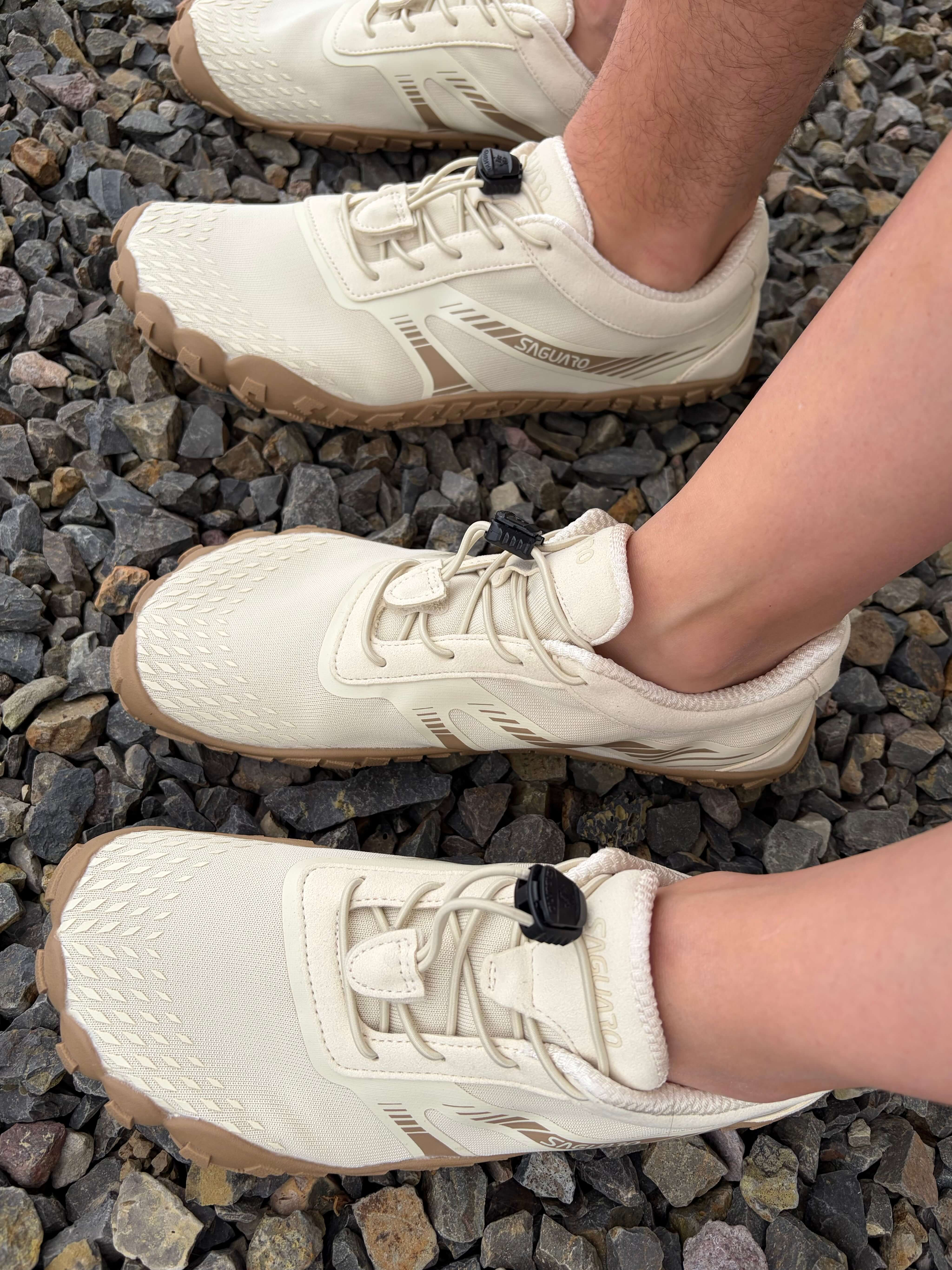
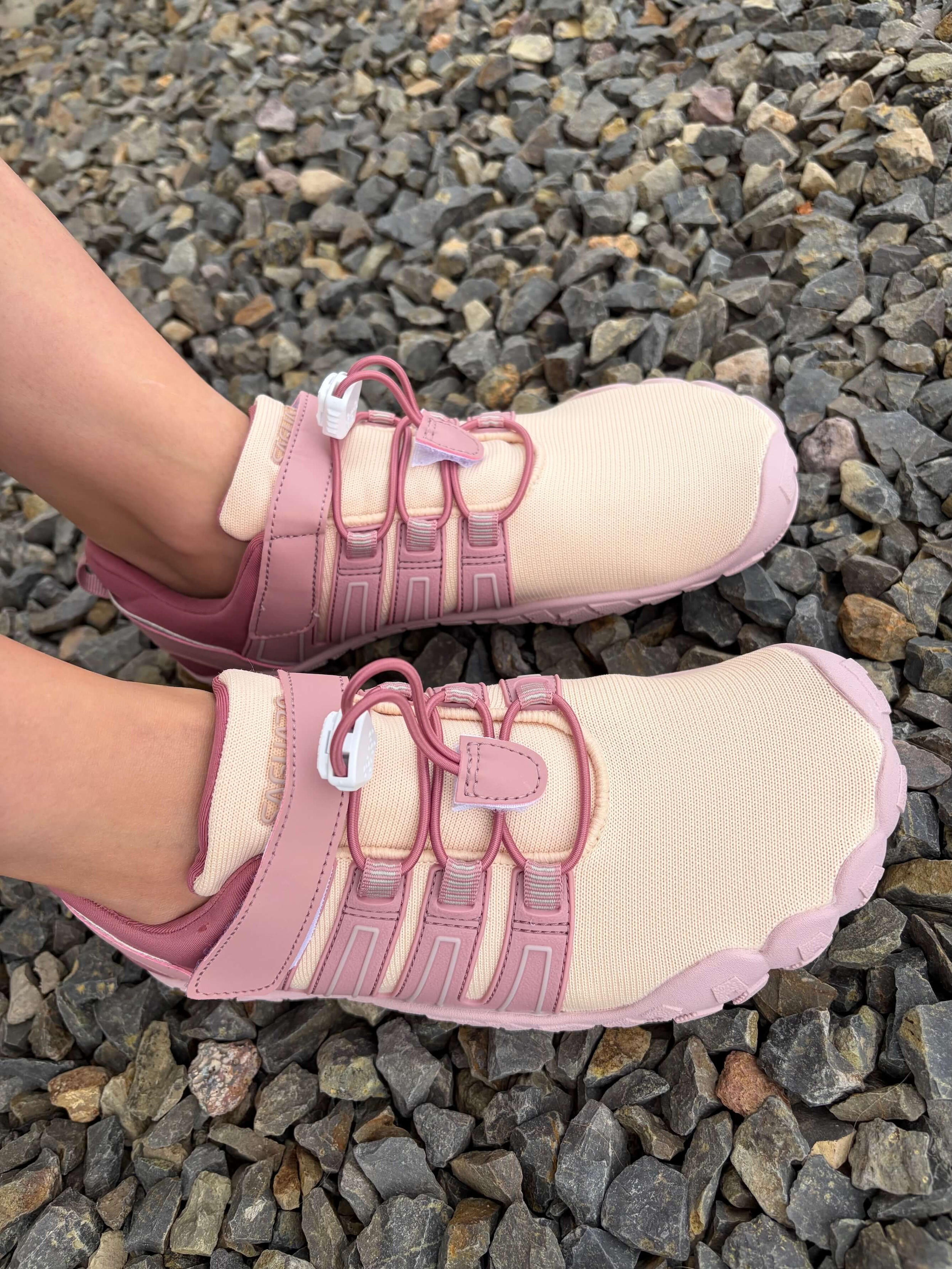
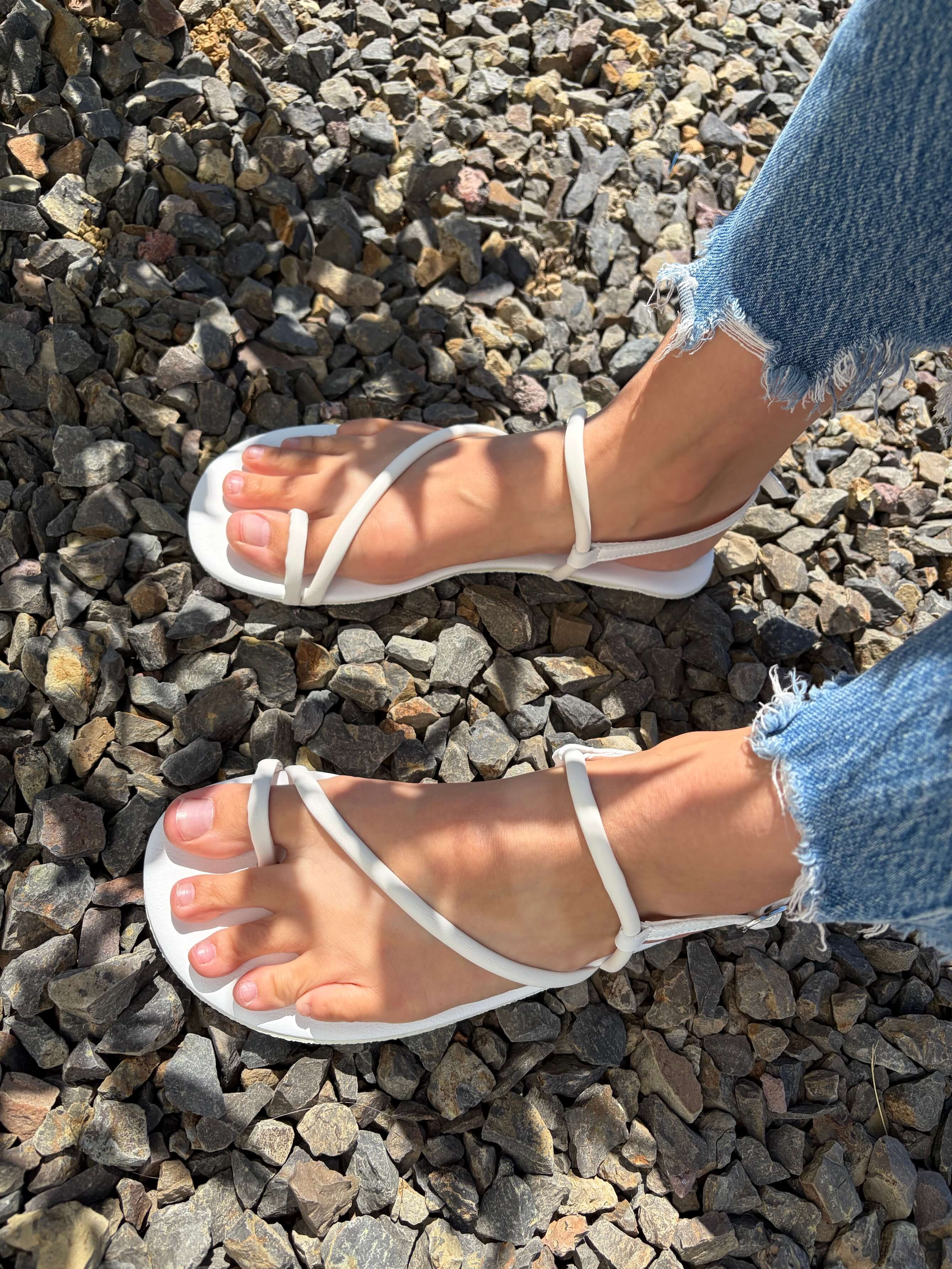
Barefoot shoes are designed to mimic the way our feet would move if we were walking barefoot—but with a thin layer of protection. Unlike conventional footwear, barefoot shoes typically feature:
A thin sole for ground feel (enhancing your sense of touch, letting your feet feel the surface beneath you for better balance and awareness)
Zero-drop (or zero “heel to toe drop” simply means no heel lift)
A wide toe box that is foot-shaped and allows your toes to spread naturally
A flexible design that lets your foot move freely
The goal is simple: give your feet the freedom to move the way nature intended, encouraging stronger feet, better posture, and improved balance.
Want to dive deeper into the benefits of barefoot shoes? Learn how they benefit your feet, posture, and everyday movement in my full guide: Are Barefoot Shoes Actually Good For Your Feet?
How Traditional Shoes Limit Your Feet
Traditional shoes may look stylish or feel “supportive,” but they restrict natural foot movement:
Thick soles and elevated heels can alter your gait.
Narrow toe boxes compress your toes and limit your foot's ability to move naturally (affecting balance).
Built-in arch support and cushioning reduce your foot muscles’ natural engagement.
Over time, this can weaken foot muscles, dull sensory feedback, and affect balance. Barefoot shoes, by contrast, encourage your feet to move and respond naturally to the ground, whether on grass, trails, or pavement.
This guide from LEMS explains the causes of bunions and how footwear choices can influence their development and correction.
How Barefoot Shoes Differ From Regular Shoes
When I first tried barefoot shoes, the biggest difference wasn’t comfort—it was awareness. Feeling the ground beneath my feet changed how I moved, from walking to balancing on uneven terrain. This sensory connection, called ground feel, is muted by most conventional shoes.
Barefoot shoes let your feet respond, adjust, and move naturally instead of relying on rigid support or unnecessary padding.
| Feature | Conventional Shoes | Barefoot Shoes |
|---|---|---|
| Sole Thickness | Thick, cushioned | Thin, flexible |
| Heel Drop | Elevated heels | Zero drop (heel and toe level) |
| Toe Box | Narrow, restrictive | Wide, allows toes to spread |
| Arch Support | Built-in | Minimal or none (encourages natural arches) |
| Flexibility | Stiff, limits movement | Flexible, encourages natural foot motion |
| Ground Feel / Sensory Feedback | Reduced | High, improves balance and posture |
| Foot Muscle Engagement | Low | High, strengthens foot and ankle muscles |
| Best For | Natural foot movement, running, hiking, everyday wear |

Barefoot, Minimalist, Wide-Toe and Zero-Drop Shoes: What’s the Difference?
Not every type of shoe marketed as “natural” is the same. Understanding the differences can help you choose a pair that truly supports healthy feet and freedom of movement:
Barefoot shoes: Foot-shaped, highly flexible, zero-drop, with a wide toe box and strong ground feel. This type of shoe encourages your feet to move as they were designed, strengthening muscles and supporting posture.
Minimalist shoes: Minimalist designs are often more flexible and thinner than traditional shoes, but some still include slight heel lifts or extra padding. This type of shoe offers some benefits of barefoot footwear, but not the full experience.
Zero-drop shoes: The heel and toe sit at the same level to support alignment, but this type of shoe may not be flexible or foot-shaped.
Wide toe box shoes: Designed to let your toes spread naturally, this type of shoe can feel more comfortable and allow better balance—but alone, it doesn’t provide the full barefoot experience without flexibility and zero-drop.
If your goal is true barefoot footwear, look for a type of footwear that combines all three features: zero-drop, flexibility, and a wide, foot-shaped toe box. This ensures your feet can move naturally, build strength over time, and enjoy better balance and posture—because after all, we spend A LOT of time on our feet.
Quick Check: Is It Truly a Barefoot Shoe?
Before buying, ensure the shoe has the following characteristics:
Zero-drop sole
Wide, foot-shaped toe box
Thin, flexible sole
If any of these are missing, it’s not truly barefoot.
Benefits of Barefoot Shoes
1. Stronger Feet and Better Balance
Barefoot shoes help your feet work naturally, strengthening muscles, supporting arches, and improving balance. After a few months, I noticed more stability on uneven surfaces—from playgrounds to trail runs.
2. Supports Natural Foot Movement
Wide toe boxes and minimal cushioning let your toes spread, heels land naturally, and arches engage. This is especially important for kids still building foot strength and coordination.
3. Improves Posture and Lower-Body Strength
Zero-drop shoes encourage a natural gait, engaging calves, shins, and core muscles. Over time, posture improves and legs feel stronger.
4. Enhanced Ground Feel
Thin, flexible soles connect you to the ground, improving balance and awareness with every step.
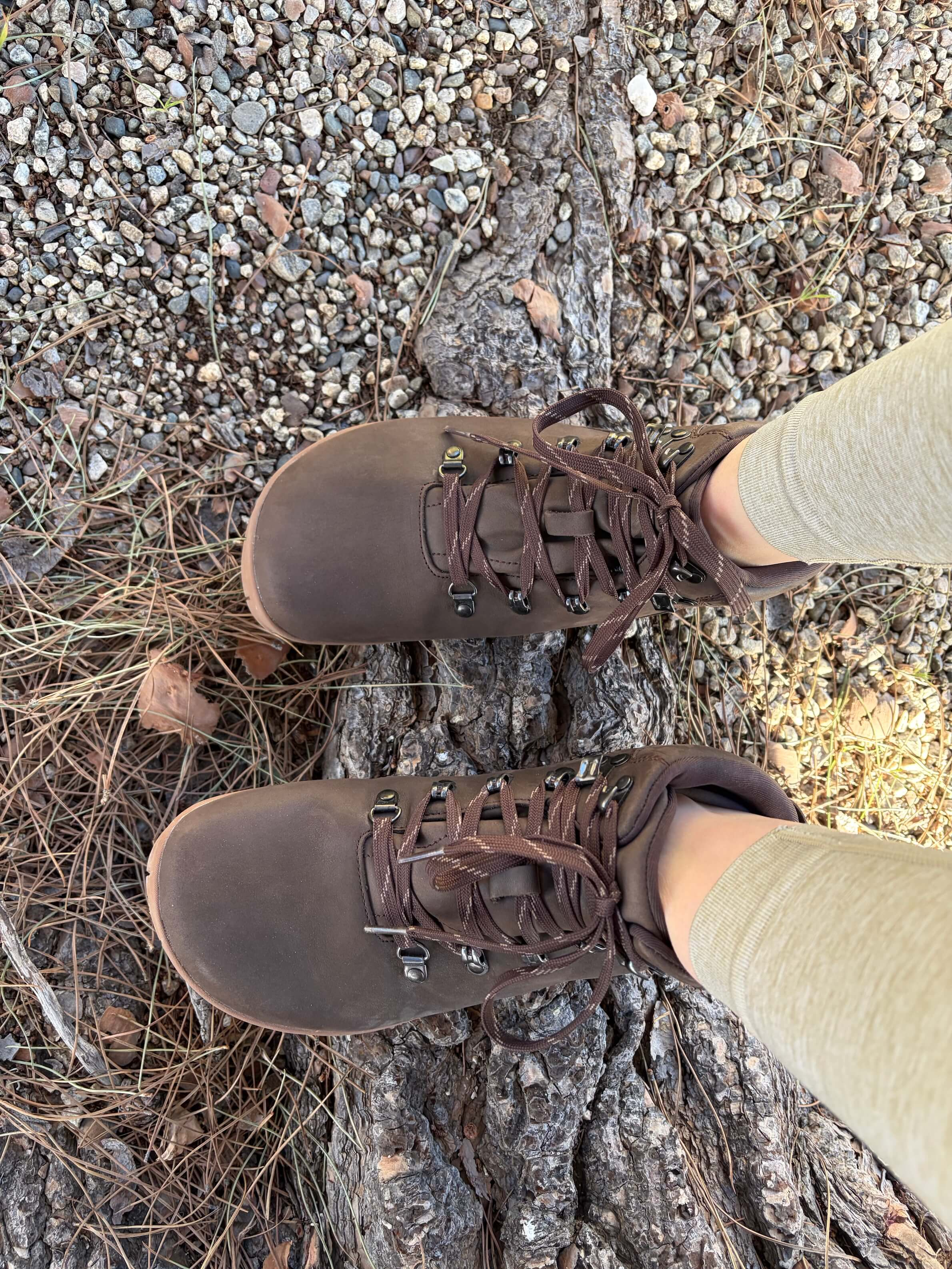
My Experience With Barefoot Shoes
I started wearing barefoot shoes in my early 20s, and honestly, I haven’t looked back. Over time, I noticed some subtle but powerful changes:
My foot shape returned to its natural form
My toes moved independently instead of being squished together
Cramping, aches, and fatigue disappeared after long days on my feet
The transition was gradual. I started by pairing barefoot shoes with my regular shoes for short walks, giving my feet a chance to adjust. Slowly, barefoot shoes became my go-to—for errands, hikes, and outdoor adventures with my kids.
Now, every step feels intentional and connected to the ground. My feet are stronger, my balance is sharper, and my posture feels natural. Even after long days running around with my family, my legs and feet feel supported, energized, and ready for the next adventure.
Wearing barefoot shoes isn’t just about comfort—it’s about reclaiming the way your feet were meant to move and feeling that freedom with every step.
Barefoot Shoes for Kids
Kids’ feet are still growing, and barefoot shoes can be a fantastic choice:
Build foot strength naturally
Encourage proper arch development
Provide freedom for running, jumping, and climbing
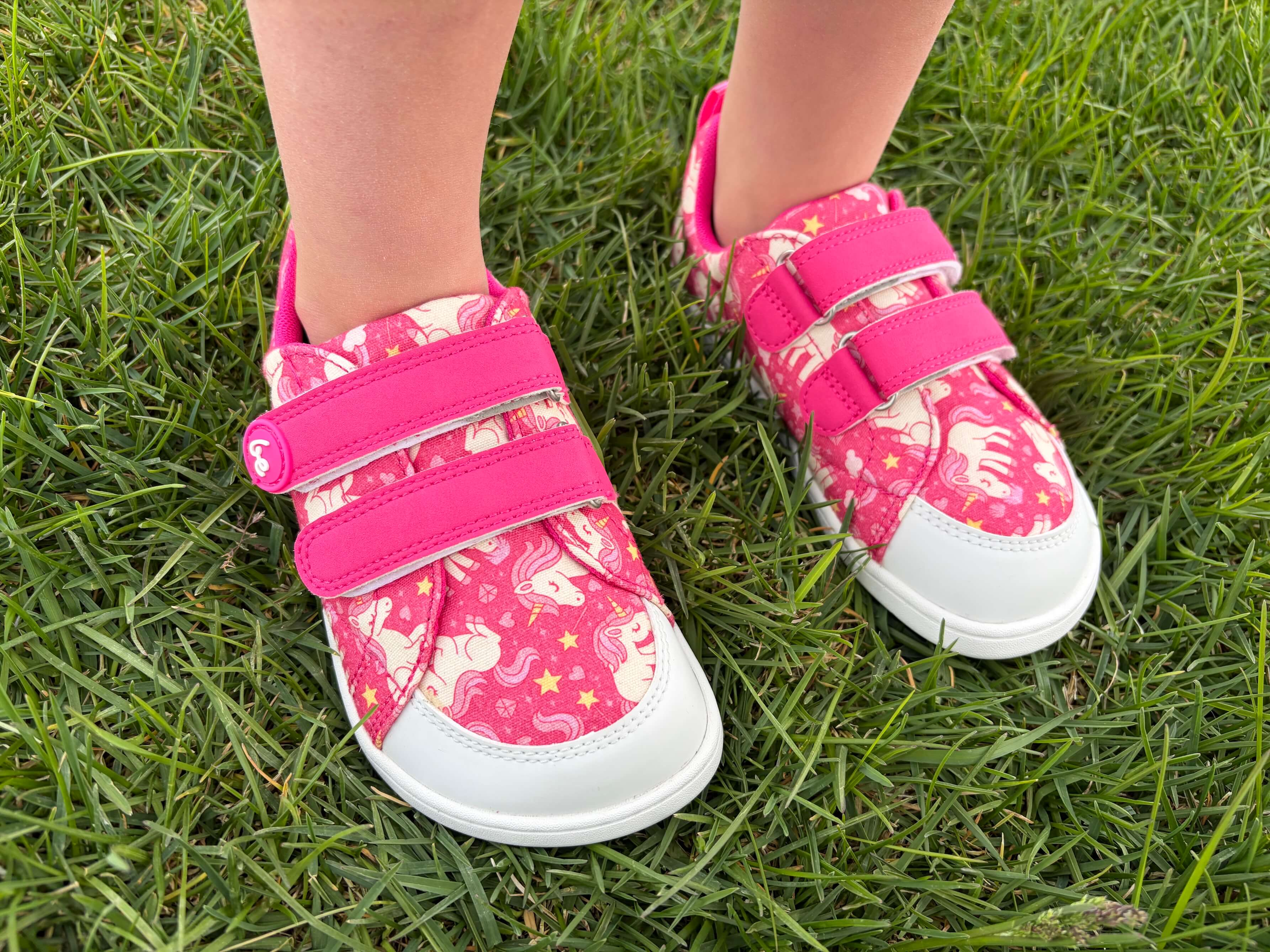
Children’s feet are small and growing fast, so the shoes we choose help shape how their feet develop. A non-foot-shaped, narrow shoe can limit natural growth, while barefoot shoes let their toes spread and muscles engage as they’re meant to. I’ve only ever put my kids in barefoot shoes, and I’ve loved seeing their feet grow strong and healthy—while they stay comfortable and free to explore.
Even a short walk on a soft surface in flexible, zero-drop shoes engages muscles that traditional shoes often neglect, giving little feet a strong foundation for years to come.

Common Misconceptions About Barefoot Shoes
Only for long-distance runners and athletes?
Not at all! Barefoot shoes are for anyone who wants to move more naturally—whether you’re running errands, hiking, chasing after kids, or just enjoying daily life.
Lack of support?
Flexible, foot-shaped shoes may feel different at first, but they actually support your feet in a natural way. Ground feel is the key—it lets your feet sense the surface, react instinctively, and strengthen over time.
Too minimal or “crunchy” for everyday wear?
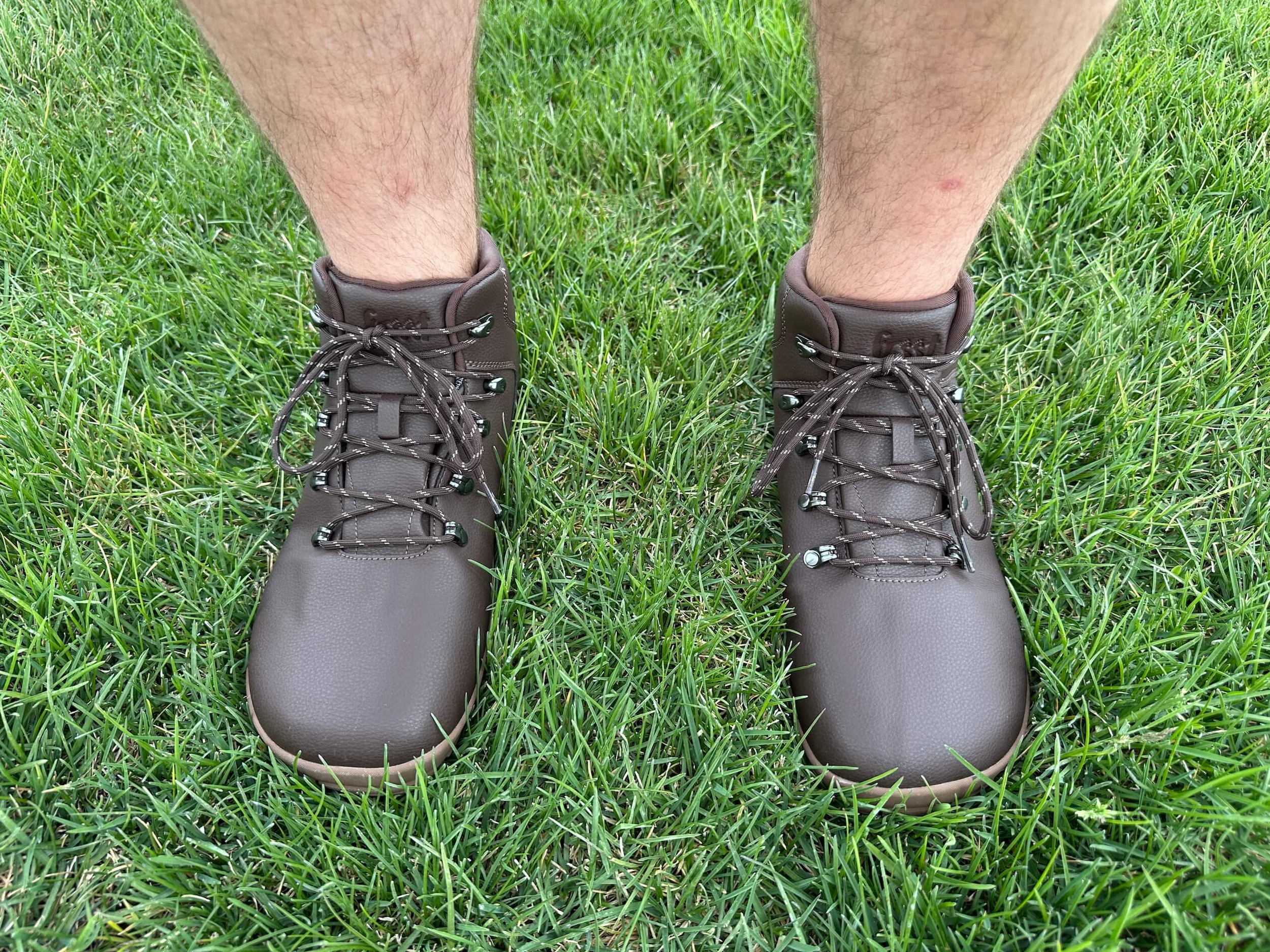
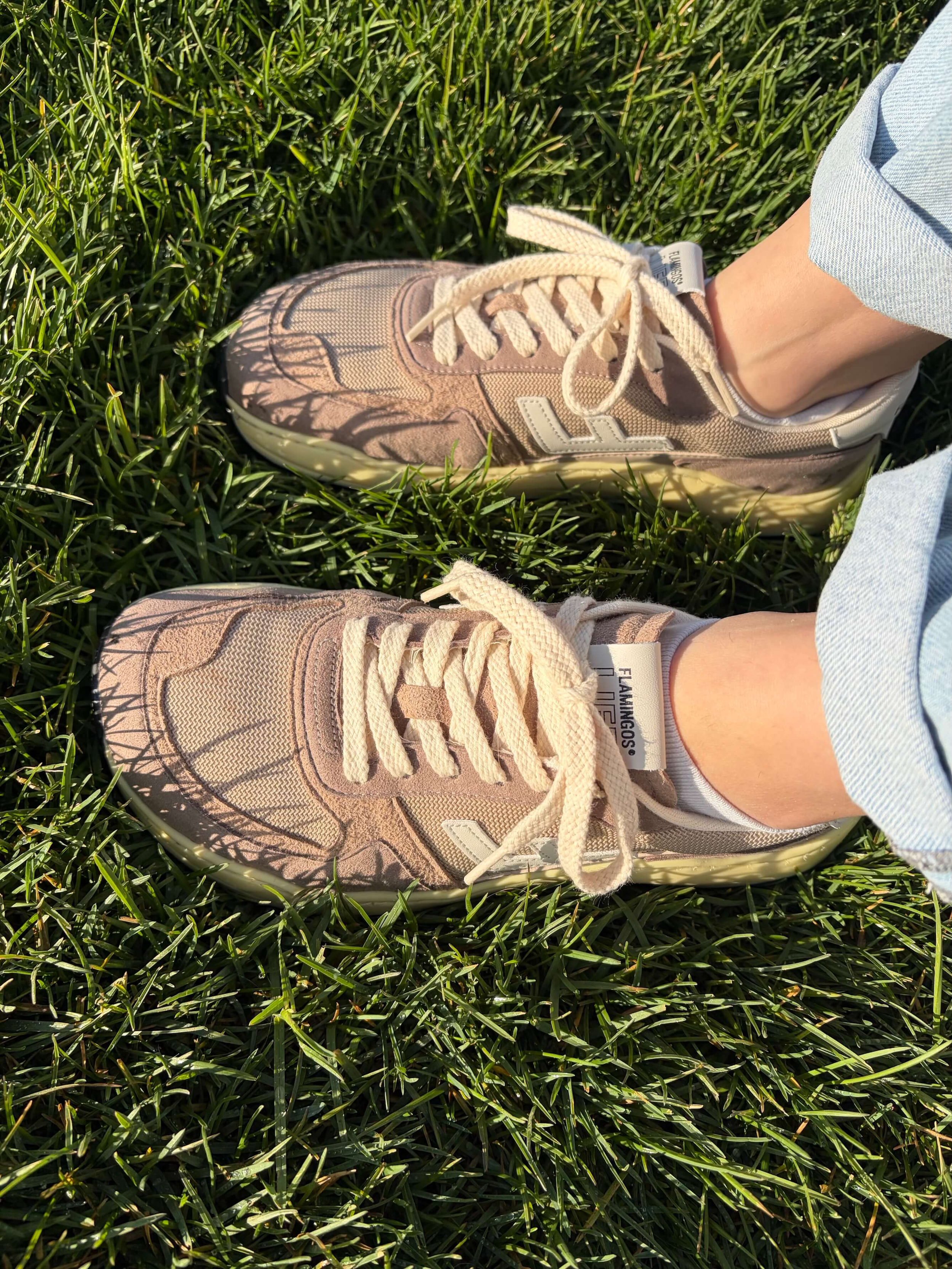
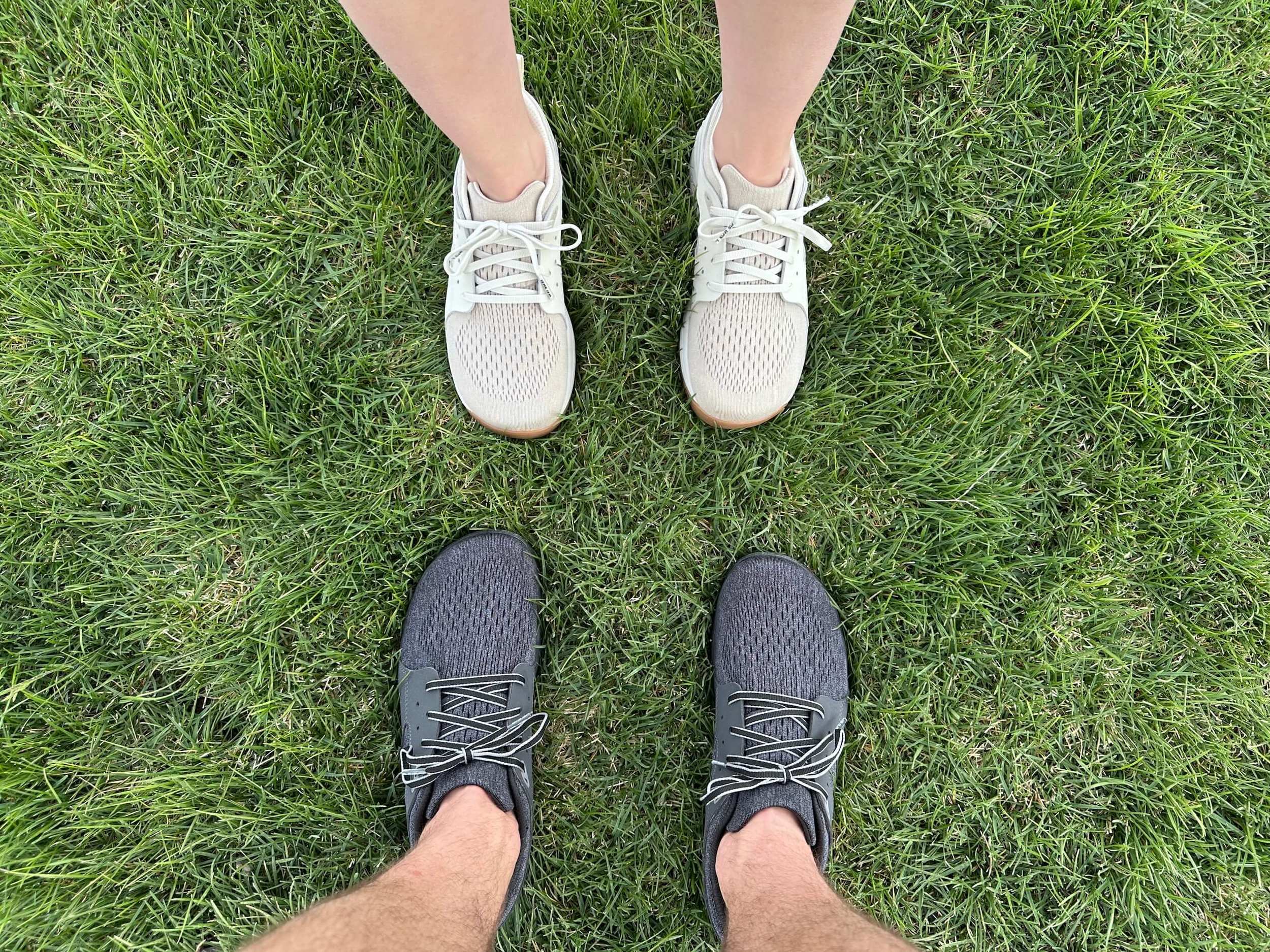
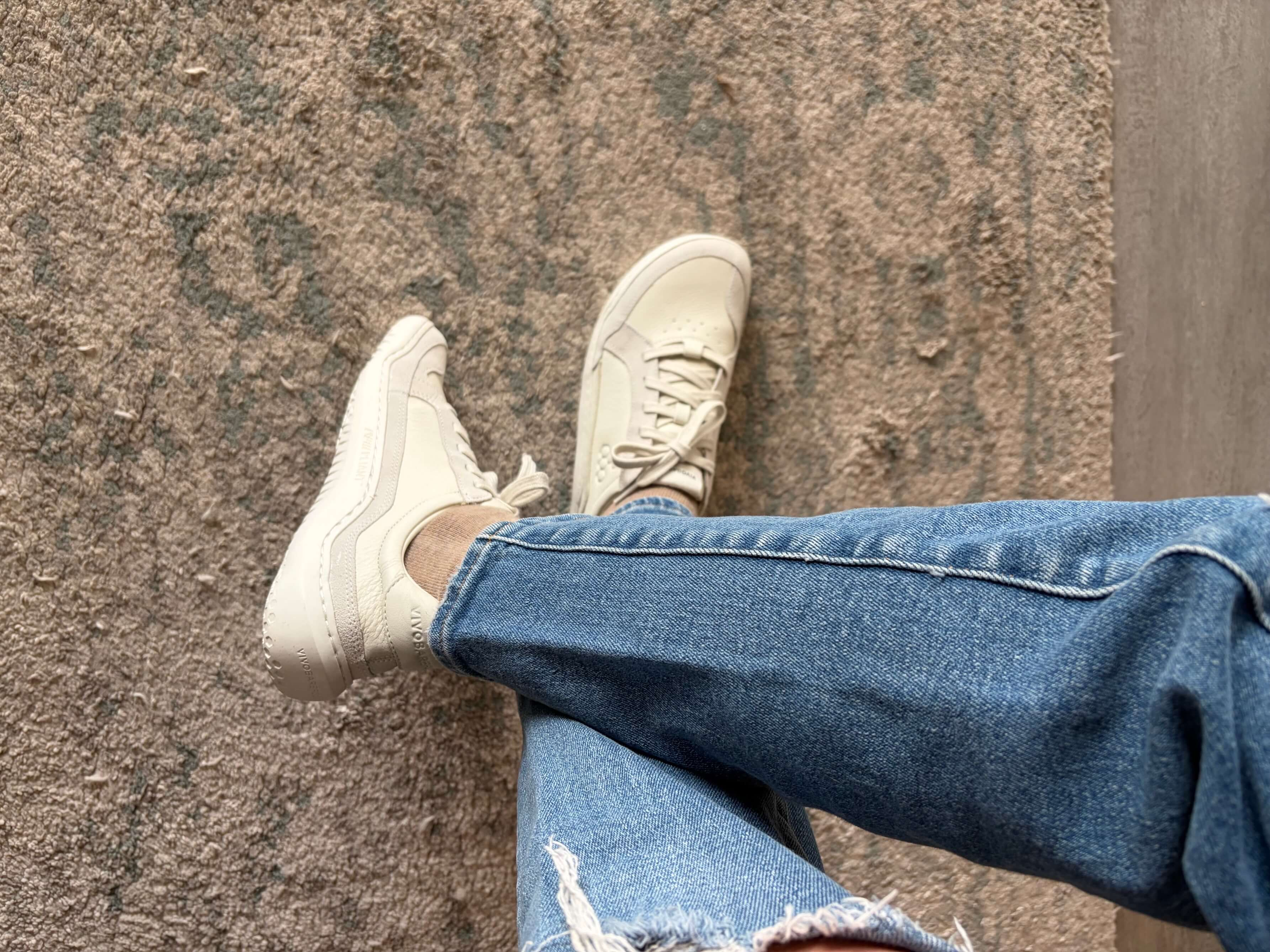
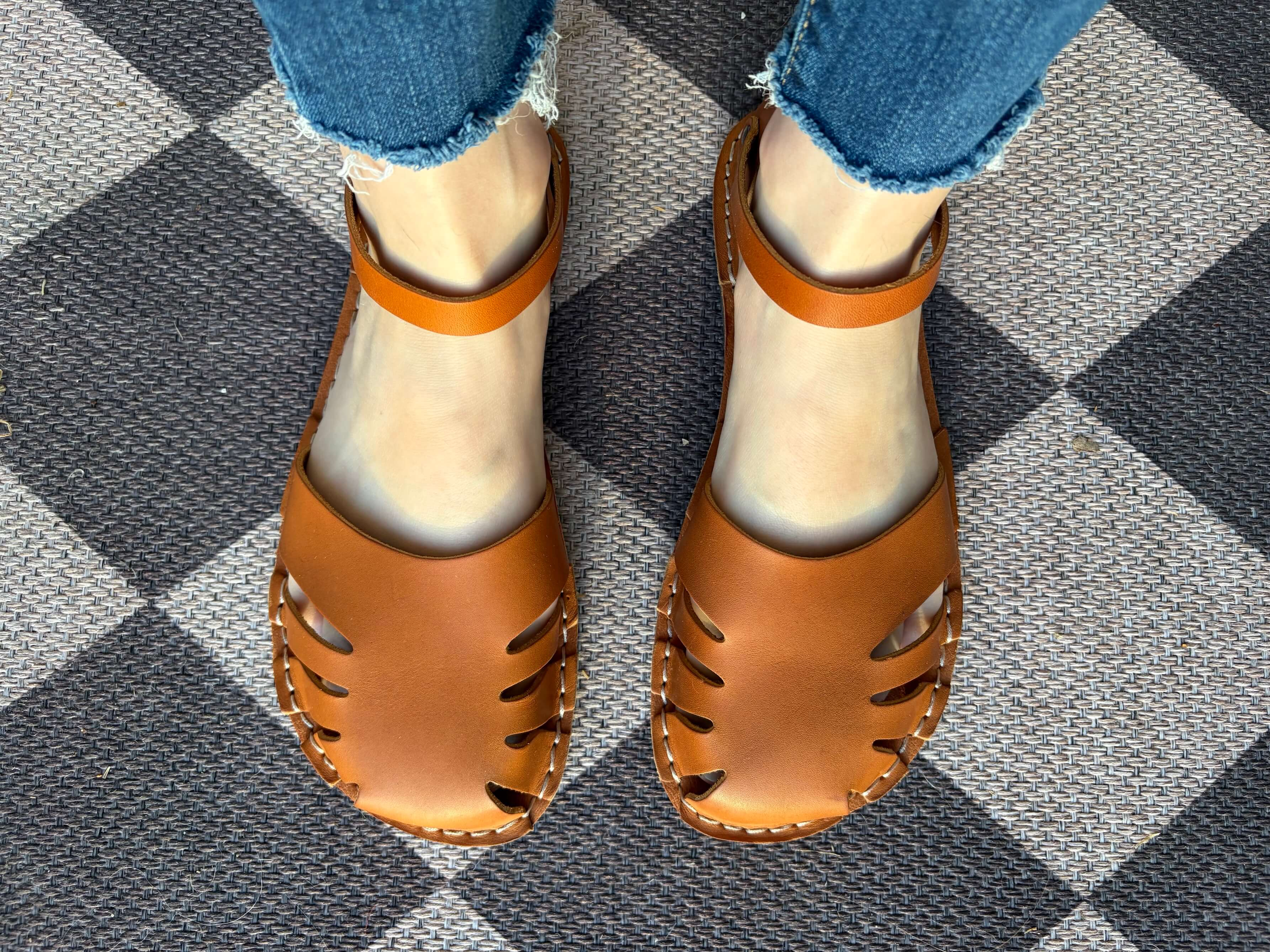
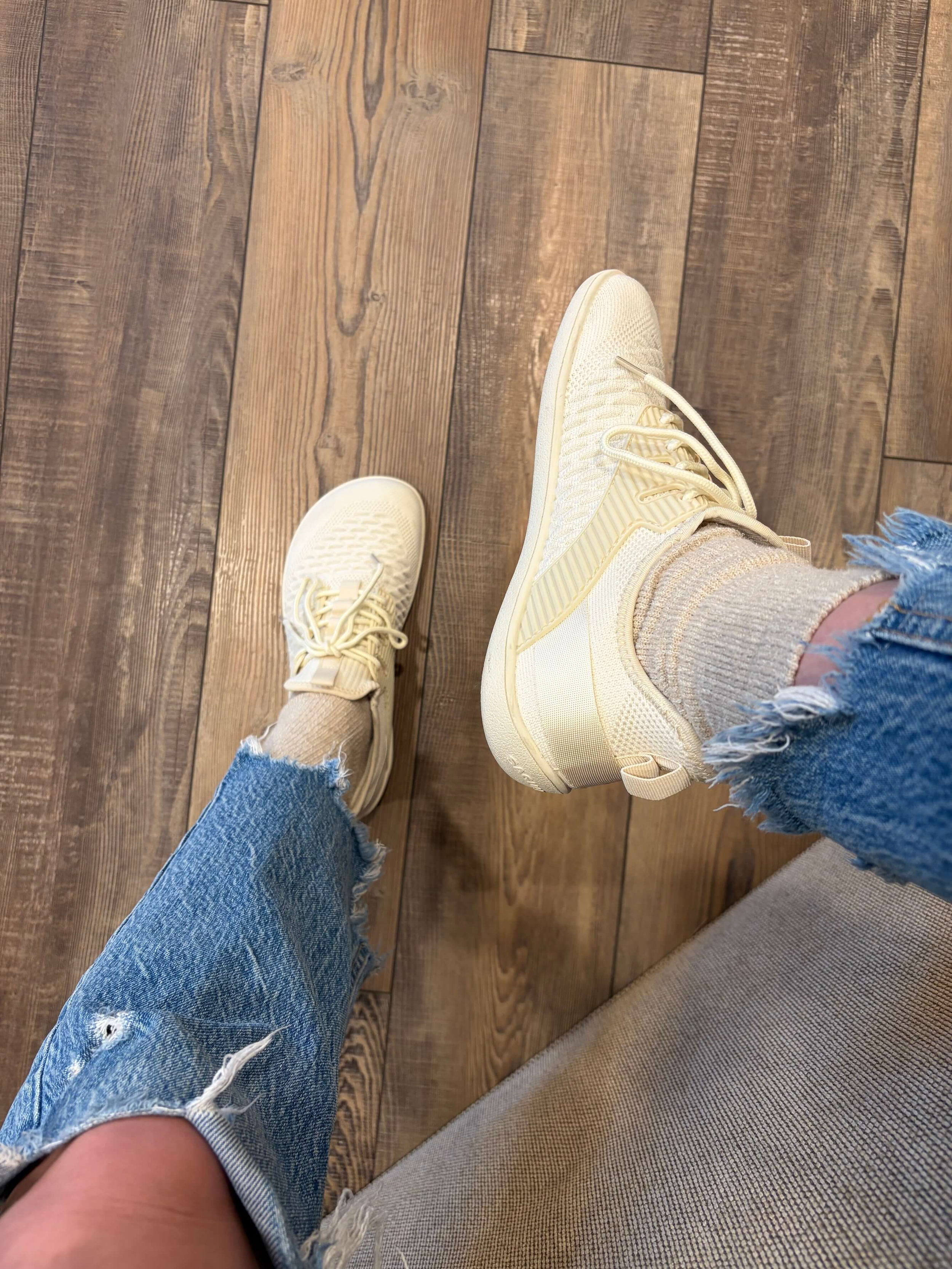
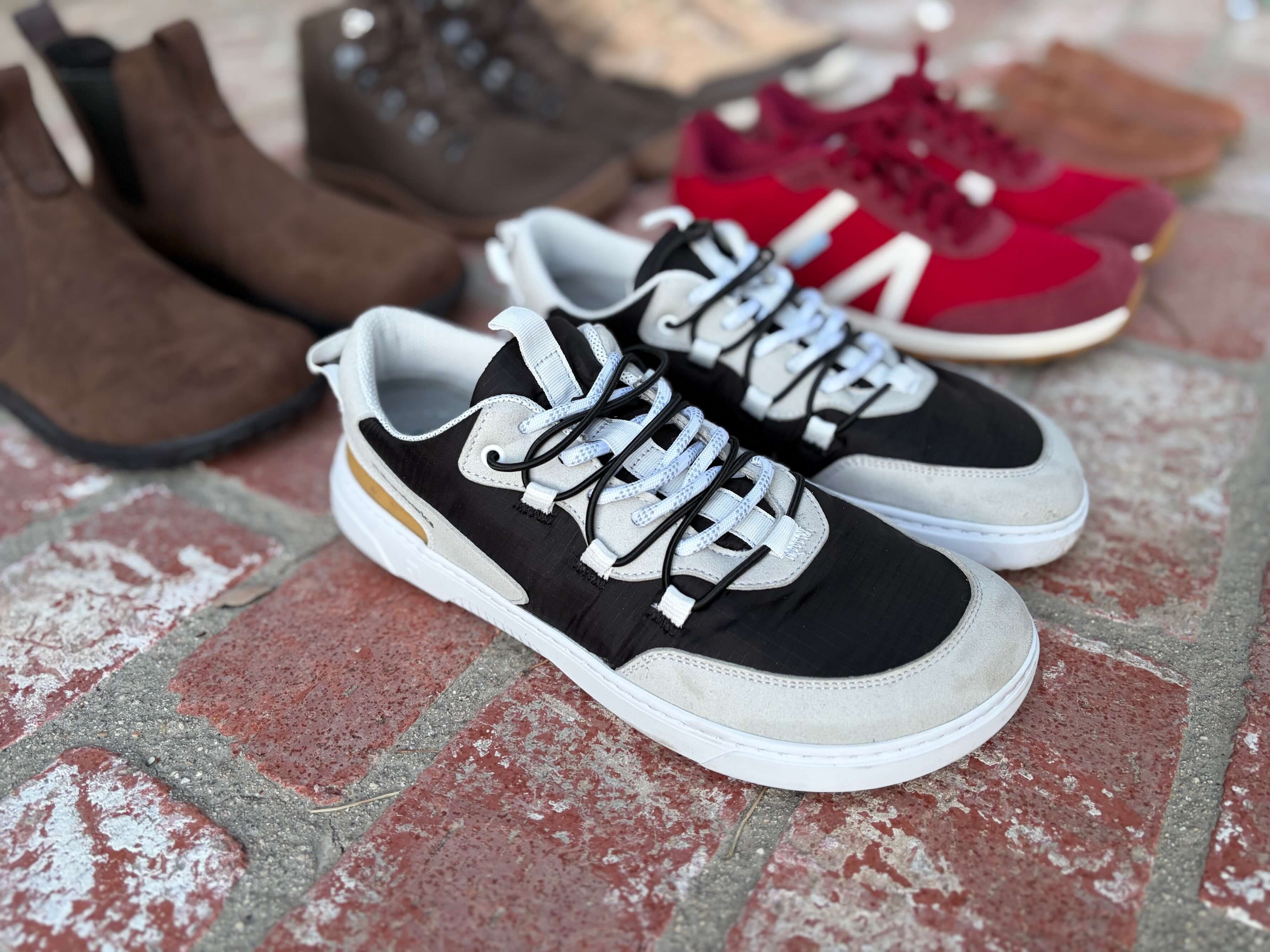
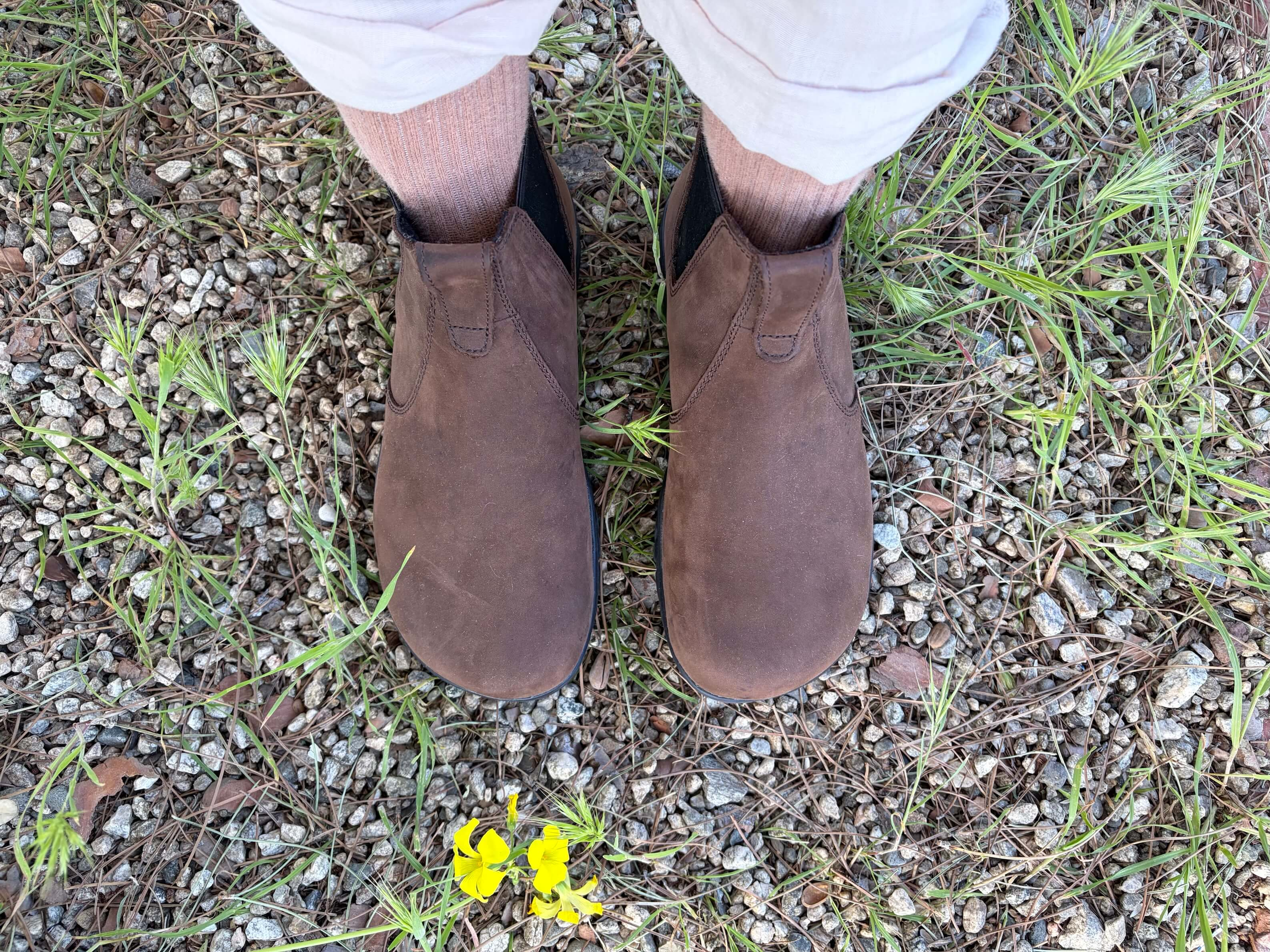
Barefoot shoes come in plenty of stylish, practical options. From casual (and super cute) sneakers to grounding clogs to weatherproof snow boots, you can wear them comfortably for errands, outdoor adventures, or simply around town without sacrificing style or function.
Only for adults?
Kids benefit too! Barefoot shoes help growing feet build strength, balance, and coordination while letting toes spread naturally—perfect for playgrounds, trails, or backyard adventures. My kiddos have only ever worn barefoot shoes.
Curious about switching safely? This guide from LEMS walks you through transitioning from conventional shoes to minimalist footwear while reducing the risk of injury.
FAQs
Q: Do minimalist shoes have the same benefits as barefoot shoes?
A: Some, but not all. Minimalist footwear can be more flexible and have thinner soles than traditional shoes, so they encourage more natural movement than conventional footwear. However, true barefoot shoes also combine a zero-drop sole, a wide toe box, and a highly flexible, foot-shaped design for maximum muscle engagement and ground feel. Think of barefoot shoes as the full package for healthy, natural feet—but minimalist shoes can still be a great start.
Q: Is there a transition period when switching to barefoot shoes?
A: Yes! Your foot muscles have likely been underused for years in stiff shoes, so start slowly. Wear barefoot shoes for short periods, focus on soft surfaces, and gradually increase time. Simple foot exercises like toe spreads, calf stretches, and arch lifts help your feet adapt comfortably. Patience and listening to your body make the transition easier.
This guide from Anya’s Reviews outlines specific foot exercises that can help strengthen your feet and support a smoother transition into barefoot shoes.
Q: How quickly will I notice benefits from barefoot shoes?
A: Some improvements, like increased foot awareness and comfort, can show up within days. Stronger feet, better balance, and improved posture develop gradually with consistent wear and gentle transition—just like exercising any other muscles in your body.
Q: How do barefoot shoes help with kids’ foot development?
A: Barefoot shoes give children room to spread their toes, strengthen foot muscles, and develop balance naturally. Even short periods of play in flexible, zero-drop shoes help little feet build healthy arches and coordination.
Q: Can barefoot shoes be worn in different weather or terrains?
A: Yes! Many barefoot shoes come in weatherproof or more rugged designs, like lightweight boots, for rain, snow, or trails. The key is choosing shoes suited to your daily activities while maintaining flexibility and ground feel.
Q: What if I have flat feet, plantar fasciitis or other foot concerns?
A: Barefoot shoes can help engage foot muscles and support natural alignment, which may benefit flat feet or mild plantar fasciitis. Always check with your doctor or podiatrist first if you have preexisting foot, balance or mobility issues to minimize risk of injury.
Final Thoughts
Barefoot shoes aren’t just a trend—they’re a simple way to let your feet move naturally, build strength, and improve balance, all while reconnecting with how our bodies are meant to move.
Even a few minutes a day can make a real difference. Start gently and listen to your body. Over time, you’ll notice stronger, more flexible feet, better posture, and a greater sense of connection to the ground beneath you.
And remember: it’s not all or nothing. I wear barefoot shoes every day, but I’ll happily slip on a pair of high heels for a special event—because life is about balance, not perfection.
Latest on the blog