Which Wood Spoon Is Safe for Everyday Cooking?
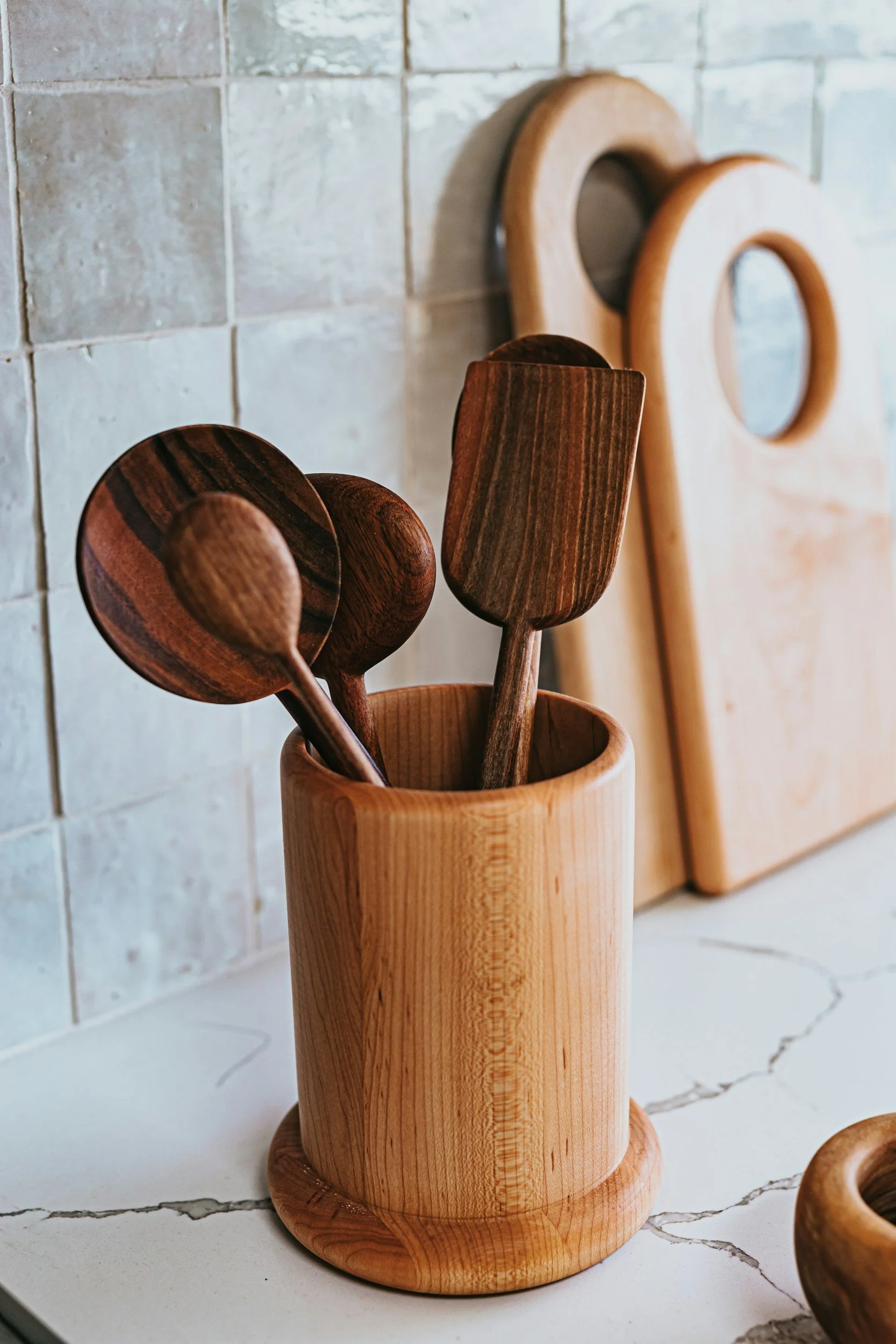
Wooden spoons feel like one of those back-to-basics kitchen tools we don’t question much. They’re simple, timeless, and tied to so many cozy family memories — stirring soup on the stove, making pancakes on slow mornings, teaching kids how to help in the kitchen. But if you’re living a more intentional, non-toxic lifestyle, you might start wondering: Is every wood spoon actually safe for everyday cooking?
I’ve gone down this rabbit hole myself, and the answer is… not always. The type of wood matters more than most of us realize, especially when a utensil is in direct contact with hot food day after day.
Let’s break it down.
Choosing safe kitchen tools is an important step, but the ingredients you cook with matter too—this guide on expeller pressed vs cold pressed coconut oil and which is better breaks down how coconut oil processing affects quality, smoke point, and everyday use in your kitchen.
Why Wood Choice Matters More Than You Think
Wooden spoons come into constant direct contact with heat, moisture, oils, and food acids. Over time, that exposure can cause lower-quality woods to break down, crack, or become overly porous — creating tiny spaces where food particles, moisture, and bacteria can linger.
That doesn’t mean wood is unsafe. In fact, high-quality wood can be one of the safest and most sustainable kitchen materials available. But it does mean that not all wooden spoons are created equal.
Some woods are naturally dense and antimicrobial. Others are soft, absorbent, or treated with finishes you probably don’t want anywhere near your meals.
Want to make your home safer without feeling stressed? This guide on transitioning to a non-toxic home breaks it down step by step.
The Best Wood Types for Safe Everyday Cooking
1. Maple Wood
Maple is one of the safest and most commonly recommended woods for kitchen utensils.
Why it works:
Dense, tight grain that resists absorbing moisture
Less likely to trap food particles
Durable enough for daily use
Naturally neutral (no strong wood flavor transfer)
Maple spoons hold up beautifully over time, especially when properly cared for. This Set of American Made Hard Maple Wood Long-Handled Spoons is one of my top recommendations if you’re shopping on Amazon and want something reliable, affordable, and non-toxic.
2. Beechwood
Beechwood is another excellent option, especially for families who cook often.
Why it works:
Smooth grain with low porosity
Resists cracking when exposed to heat
Easy to clean and maintain
Commonly used in European kitchen tools
Beechwood spoons are often lighter in color and feel a bit softer in hand, which makes them great for everyday stirring, sautéing, and serving. This set of French Beechwood Spoons checks all the boxes.
3. Olive Wood
Olive wood is beautiful and functional, but it does come with a few caveats.
Why it works:
Naturally antimicrobial properties
Dense and durable
Less prone to absorbing odors
What to know:
Grain patterns vary a lot
Needs regular oiling to prevent cracking
Often more expensive
Olive wood is a lovely choice if you want something that doubles as a serving piece, but I usually recommend it as a complement — not your only daily cooking spoon. This Salt & York 5-piece Olive Wood Set is stunning.
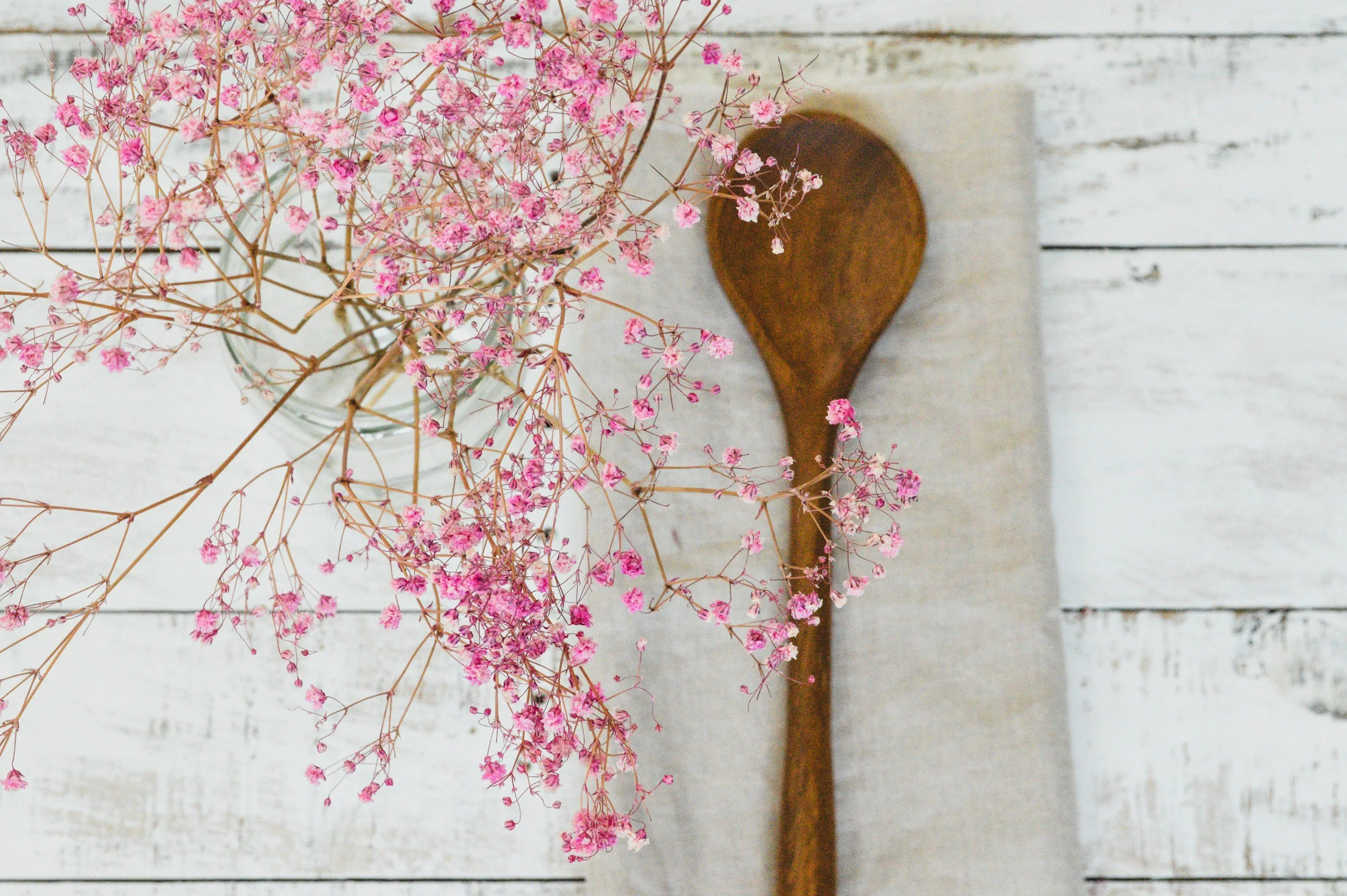
4. Teak Wood — A Durable, Naturally Water‑Resistant Choice
Teak wood is a standout option when you’re thinking about a wooden spoon that lasts. Originally used in boat building because of its natural oils, teak is inherently water‑resistant — which means it performs well with moisture and heat without needing chemical finishes.
Why it works:
Natural oils help repel moisture, reducing the chance that liquid will soak into the wood
Tight grain structure helps minimize tiny grooves where food particles can hide
Because of its density and natural oil content, teak holds up well to regular stirring and contact with hot pots and pans
Teak’s natural oils mean it often stays in good shape with just the basics: hand washing and drying right after use
What to Keep in Mind:
Teak tends to be a bit pricier than maple or beechwood. But for many of us who lean into sustainable products and intentional consumption, investing in a tool that lasts for years feels worth it.
You can still oil teak for appearance, but it won’t need it the way other woods do — especially in kitchens with regular use.
I often reach for a teak spoon when I’m simmering soups with long cooking times or making big weekend meals — it feels steady, reliable, and completely at home in a kitchen that values simplicity and function. Shop my favorite non-toxic teak spoon on Amazon.
Woods to Be More Cautious With
Bamboo (Yes, Really)
This one surprises a lot of people.
While bamboo is technically a grass and marketed as eco-friendly, many bamboo utensils are held together with adhesives or resins. Over time, especially with heat and moisture, those binders can degrade — which isn’t ideal when a utensil is in direct contact with food.
Bamboo can also splinter as it ages, creating tiny crevices that trap food particles and moisture.
Don’t get fooled by misleading ‘green’ claims—check out this post on spotting greenwashing before your next purchase.
Unknown or “Mixed Wood” Spoons
If a product description doesn’t clearly state what type of wood is used, that’s usually a red flag.
Unknown wood sources may be:
Softer woods that absorb moisture easily
Treated with chemical finishes
Manufactured quickly with minimal quality control
When it comes to tools that touch your food every day, transparency matters.
What About Finishes and Sealants?
Even the safest wood can become questionable if it’s coated in the wrong finish.
Look for:
Food-grade mineral oil
Beeswax or plant-based wax blends
Clearly stated “unfinished” or “food-safe finish”
Avoid:
Varnishes or lacquers
Synthetic sealants
Strong chemical smells out of the package
If a spoon smells strongly when you open it, that’s often a sign of finishes you don’t want near your meals.
Wondering which wood oils are safe for your kitchen? This guide from Odie’s Oil breaks down which wood finishes you can trust.
How to Care for Wooden Spoons Safely
Proper care plays a huge role in keeping wood spoons safe and long-lasting.
What I do in my own kitchen:
Hand wash only (no dishwasher)
Dry immediately after washing
Oil monthly with food-grade mineral oil
Replace spoons that develop deep cracks
If a spoon starts holding onto odors or feels rough even after oiling, it’s probably time to retire it.

Are Wooden Spoons Better Than Silicone or Plastic?
For me, wooden spoons strike the best balance between safety, sustainability, and function.
Compared to plastic:
No microplastic shedding
No heat-related chemical concerns
Compared to silicone:
No fillers or unknown additives
Easier to assess wear and tear visually
Wood also aligns beautifully with a minimalist kitchen — fewer tools, better quality, and items that age naturally rather than breaking down unpredictably.
Many everyday plastic utensils can leach chemicals into your food—this Solidteknics post explains the risks of microplastics and safer alternatives.
What I Look for When Shopping
When I’m choosing wooden spoons online, I always scan for:
Clear wood type listed (maple, beechwood, olive, teak)
“Food-safe oil” or “unfinished” description
Simple designs (fewer seams = fewer places for food particles to hide)
Honest reviews mentioning longevity
Where it is made
Confused by non-toxic labels? This post explains exactly what certifications mean and how to shop safe for your family.
Final Thoughts
A wooden spoon might seem like a small thing, but it’s one of the most used tools in the kitchen — especially in homes where cooking and family time go hand in hand.
Choosing the right wood means choosing something that’s safe for direct contact with food, resistant to trapped food particles, and durable enough to last for years. Maple, beechwood, olive and teak wood are all excellent options when sourced thoughtfully and finished properly.
As with most non-toxic swaps, this isn’t about perfection. It’s about choosing better materials, fewer chemicals, and tools that support a healthier home — one simple stir at a time.
Latest on the blog