Expeller Pressed vs Cold Pressed Coconut Oil: Which Is Better?
If you’ve ever wondered about the difference between expeller pressed vs cold pressed coconut oil, you’re not alone.
Both expeller pressed and cold pressed coconut oil sound like healthy, intentional choices—and they are. But the way they’re made affects everything from flavor to how they perform in your kitchen (and even on your skin).
This guide breaks it all down in a simple, no-overwhelm way so you can confidently choose what works best for your home.
The Main Differences (Quick Comparison)
Here’s the simplest way to think about it:
If you remember nothing else, remember this:
Expeller pressed = often refined, with a more neutral flavor and generally better suited to higher-heat cooking
Cold pressed = less processed, better for flavor + minimal handling
| Feature | Expeller Pressed | Cold Pressed |
|---|---|---|
| Heat used | Higher (friction + often added heat) | Low temperatures |
| Starting material | Dried coconut | Fresh coconut meat |
| Flavor | Neutral, mild | Noticeable coconut flavor |
| Processing | Often refined | Unrefined |
| Smoke point | Higher | Lower |
| Nutrient retention | Slightly reduced | Often higher nutrient content |
One important distinction: "expeller pressed" describes how the oil is extracted, while "refined" describes what happens to the oil afterward. An expeller-pressed coconut oil can technically be refined or unrefined, so the two terms aren't interchangeable.
Refined coconut oil generally has a higher smoke point than unrefined coconut oil, but the exact smoke point varies by product.
Which Is Better: Expeller Pressed or Cold Pressed Coconut Oil?
The better option depends on how you plan to use it.
If you need an oil for high heat cooking, expeller-pressed coconut oil is usually the better fit because it often has a higher smoke point and a more neutral flavor.
If you’re looking for an option that is less processed and retains more of its natural coconut flavor, cold-pressed coconut oil may be the better choice—especially for lower heat cooking, baking, or skincare.
Neither one is automatically “better” in every situation. The type of coconut oil that's the best choice for your family depends on whether you prioritize heat stability, flavor, or minimal processing and high nutrient content.
What Is Coconut Oil, Really?
Before we compare the two, it helps to zoom out for a second.
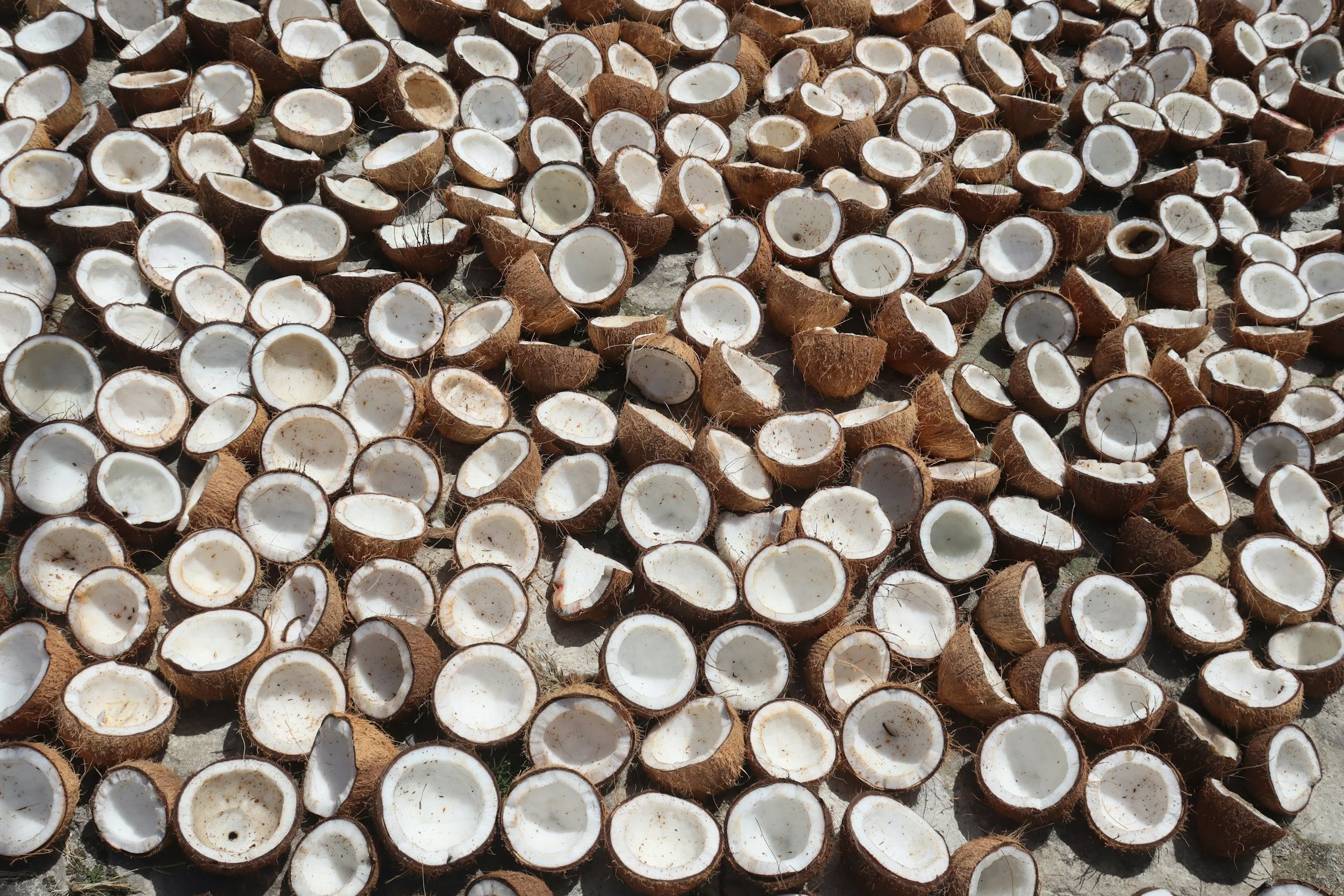
Coconut oil is made from the coconut kernel (the white meat inside the coconut). Depending on the extraction process, that oil can look, taste, and behave very differently.
The biggest factor?
How heat and pressure are used during production.
That’s where expeller pressing and cold-pressed methods come in.
What Is Expeller Pressed Coconut Oil?
Expeller-pressed coconut oil is made using a mechanical press—usually a continuous screw press—that physically squeezes oil from dried coconut meat.
How it’s made:
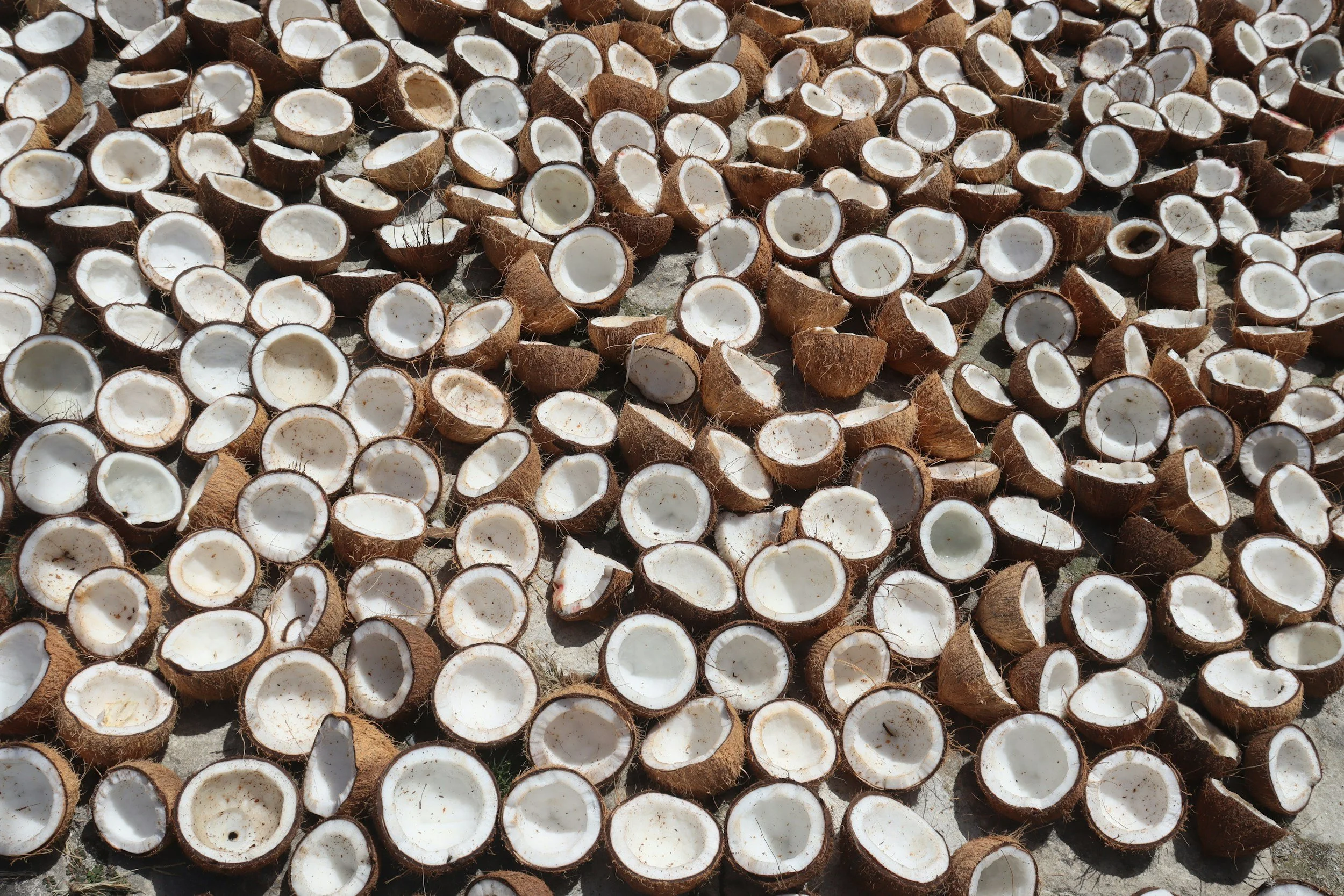
Coconut meat is typically dried first (called copra)
Then pressed at high pressure
This process naturally creates heat from friction
Often external heat is added during refining
What that means in real life:
Higher yield (more oil extracted from the raw material)
Often goes through a refining process
Has a neutral or very mild coconut flavor
Usually a higher smoke point, making it great for cooking oils
You’ll often see this labeled as:
Expeller-pressed coconut oil
Refined coconut oil
What Is Cold Pressed Coconut Oil?
Cold-pressed coconut oil is made by pressing fresh coconut meat at lower temperatures, without added heat.
How it’s made:
Starts with fresh coconut meat (not dried)
Oil is extracted using a mechanical press
Low temperatures to preserve nutrients
No chemical solvents or high heat involved
What that means in real life:
Retains more of its natural coconut flavor
Typically labeled as unrefined coconut oil
May contain slightly more nutritional content, like vitamin E and antioxidants
Lower smoke point compared to expeller-pressed oils (better for baking)
You’ll often see this labeled as:
Cold-pressed coconut oil
Virgin coconut oil
Unrefined coconut oil
If you want to go a little deeper into the science behind coconut oil composition, processing methods, and how extraction can affect nutritional properties, this peer-reviewed overview is a helpful, more in-depth resource.

My Favorite Coconut Oil Options
Once you understand the difference between expeller pressed and cold pressed coconut oil, choosing one becomes much simpler.
For high heat cooking, I prefer an organic expeller-pressed coconut oil with a neutral flavor. It works well for sautéing, roasting, and everyday cooking without adding a noticeable coconut taste.
For lower heat cooking, baking, and skincare, I look for an organic cold-pressed coconut oil that is minimally processed and packaged in glass when possible.
Here are a few things I look for when choosing a quality coconut oil:
Organic certification
Transparent sourcing
Minimal processing
Glass packaging when available
If you’re comparing options, focusing on those basics can make it much easier to find a coconut oil that fits your kitchen and your priorities.
→ Shop my favorite cold-pressed coconut oil
→ Shop my favorite expeller-pressed coconut oil
Why Organic Matters When Choosing Coconut Oil
When you’re choosing a coconut oil, organic certification is one piece of the overall equation.
Organic coconut oil comes from coconuts that are grown without synthetic pesticides or herbicides, which means the raw material itself is cultivated under stricter agricultural standards.
Since coconut oil is made from the fresh coconut meat or dried coconut kernel, whatever is used in farming can influence the starting quality of the oil.
If you’ve ever wondered what the “organic” label actually guarantees (and what it doesn’t), this breakdown of the truth about organic products and what that label really means is a helpful next read for putting it all into context.
Why people choose organic:
For many families, organic coconut oil is simply about:
Supporting cleaner farming practices
Reducing exposure to synthetic pesticide residues
Choosing a more intentional starting ingredient
It’s not necessarily about perfection—it’s about stacking small, thoughtful choices when possible.
Is One Healthier Than the Other?
Let’s break it down.
Both types contain:
Medium-chain triglycerides (MCTs)
Lauric acid
Naturally occurring fats that make coconut oil unique
Cold-pressed/unrefined coconut oil generally retains more:
Antioxidants (like Vitamin E)
Delicate compounds affected by heat
Both can absolutely have a place in a non-toxic, intentional home.
If you’ve ever felt overwhelmed trying to decode product marketing, you’re not alone. This guide on greenwashing 101 and how to spot it is a simple, eye-opening read that helps you avoid misleading claims.

Best Uses for Each Type
Here are some of my favorite uses for both expeller pressed and cold pressed coconut oil:
Use expeller-pressed coconut oil for:
Cooking at higher temperatures
Sautéing and roasting
Baking when you don’t want a strong coconut flavor
Use cold-pressed coconut oil for:
Low to medium heat cooking and baking
Smoothies or adding to coffee
Skin care and DIY body products
Baby care (balm, dry skin, etc.)
What About Smoke Point?
Refined coconut oil generally has a higher smoke point than unrefined coconut oil, but the exact smoke point varies by product.
Why Smoke Point Matters in Real Life?
The smoke point is the temperature at which an oil starts to visibly smoke—and more importantly, break down.
When this happens, a few things change:
The oil can lose some of its nutritional value
The flavor can turn slightly bitter or burnt
It begins to release compounds you generally don’t want in everyday cooking
Think of smoke point as a guideline for how much heat an oil can comfortably handle.
Low to medium heat → most unrefined oils do just fine
High heat (like frying or searing) → you’ll want a more stable oil
If you’ve ever noticed oil smoking in the pan before adding food, that’s a sign it’s getting too hot.
All to say, it's helpful to match the oil to the type of cooking you’re doing.

Does Processing Mean Chemicals Are Used?
This is a really common concern.
Here’s the good news:
Expeller pressing is a mechanical process
It does not require chemical solvents
However, some refined coconut oils (not all) may be processed further using methods like:
Deodorizing
Bleaching (to remove color/odor)
If you want to avoid that, look for:
“No chemical solvents used”
“Naturally refined”
Or stick with cold-pressed/unrefined options
Flavor Differences (This One Matters More Than You Think)
This is one of the biggest day-to-day differences you’ll notice.
Cold-pressed coconut oil:
Light, slightly sweet coconut flavor
Great in recipes where that taste adds something
Expeller-pressed coconut oil:
Mild flavor
Won’t affect the flavor of your food as much
If you’ve ever made eggs that tasted like coconut unexpectedly…you already understand why this matters.
How to Choose the Best Coconut Oil for Your Family
Instead of overthinking it, try this simple approach:
Ask yourself:
Will I use this mostly for cooking?
Do I care about coconut flavor?
Am I prioritizing minimal processing?
A balanced, realistic setup:
Many families keep both on hand:
One jar of refined expeller pressed coconut oil for higher heat cooking
One jar of unrefined cold pressed coconut oil for everything else
It’s simple, flexible, and works with real life.
What to Look for When Buying
When you’re scanning labels at the store, here’s what actually matters:
For expeller-pressed coconut oil:
“Expeller pressed”
“Naturally refined” (if you want neutral flavor)
Transparency about processing methods
For cold-pressed coconut oil:
“Cold pressed” or “unrefined”
“Virgin coconut oil”
FAQs (People Also Ask)
Is expeller pressed coconut oil the same as refined?
Expeller-pressed describes how the coconut oil is extracted, while refined describes how the oil is processed afterward. Expeller-pressed coconut oil is often refined, especially when made from dried coconut meat (copra), but it can also be unrefined.
Why is expeller-pressed coconut oil usually refined?
Expeller-pressed coconut oil is often made from copra, or dried coconut meat. Because copra can contain impurities, moisture, and other compounds from processing and storage, the extracted oil is typically refined and filtered to create a cleaner, more stable oil.
Refining also removes much of the coconut flavor, aroma, and color, giving the oil a more neutral taste and making it a popular choice for cooking at higher temperatures.
That said, "expeller-pressed" does not automatically mean "refined." Expeller pressing describes how the oil is extracted, while refined or unrefined describes what happens to the oil afterward.
Is cold-pressed coconut oil better for skin?
Cold-pressed (unrefined) coconut oil is typically preferred for skin because it retains more of its natural compounds and hasn’t been exposed to higher heat.
Can I cook with cold-pressed coconut oil?
Yes—just stick to low to medium heat. It’s great for gentle cooking, baking, or adding to finished dishes. Check the smoke point on the specific jar you have though, because it varies by brand.
Why does some coconut oil have no smell?
That’s usually expeller-pressed refined coconut oil. The refining process often removes the natural coconut aroma and flavor.
Final Thoughts
At the end of the day, the main difference between expeller-pressed and cold-pressed coconut oil is how the oil is extracted.
Expeller pressing uses mechanical pressure to squeeze the oil from coconut meat, while cold pressing uses a lower-temperature extraction process designed to preserve more of the coconut’s natural flavor, aroma, and characteristics.
Expeller-pressed coconut oil is often refined, giving it a more neutral flavor and making it a versatile everyday cooking oil. Cold-pressed coconut oil is more often unrefined, with more of its natural coconut flavor and aroma intact.
Neither is automatically “better”—it really comes down to what you’re looking for in your coconut oil and how you plan to use it.
Latest on the blog