Flux Footwear Tested: Transitional Barefoot Running Shoes
Disclosure: This pair of Adapt Runners was gifted to me at no cost in exchange for an honest review. As always, I share only my honest thoughts and experiences, from my home to yours.
If you’ve been curious about barefoot running shoes but aren’t quite ready to leap straight into ultra-thin soles, Flux Footwear’s Adapt Runner might be the perfect starting point. Designed with a zero-drop sole and a foot-shaped structure that respects your foot anatomy, these shoes support natural movement in a way traditional running shoes often restrict. With a wide toe box and flexible sole, they offer a smooth transition for anyone exploring barefoot running while still wanting a little more cushion.
While I personally prefer very thin soles with a lot of ground feel, the Adapt Runner can still be a great choice for anyone easing into minimalist shoes.
If you’re new to minimalist footwear and want to understand the science behind it, I break it all down in my guide on what barefoot shoes are and the truth about natural footwear.
Key Features of the Adapt Runner
1. Zero-Drop Sole
Flux Footwear keeps the sole completely flat, following a zero-drop design that promotes natural posture and alignment. By keeping your heel and forefoot at the same level, zero-drop shoes encourage your lower legs, knees, and hips to move in a more natural pattern, reducing strain often caused by traditional running shoes. This alignment supports the natural movement of your feet, engages foot muscles, and can help improve balance and stability over time.
For anyone transitioning from traditional running shoes, zero-drop is a simple but powerful feature that helps you reconnect with your foot anatomy and improve overall foot function.
2. Wide, Naturally Shaped Toe Box
One of my favorite features of the Adapt Runner is the roomy, foot-shaped toe box. Unlike narrow traditional shoes that squash your toes, this design gives each toe the space to splay naturally, supporting proper foot anatomy and alignment.
When your toes can spread, it helps distribute weight evenly, improving balance and stability with every step.
Allowing your toes to move freely also engages the small muscles in your feet. Over time, this natural toe splay encourages a more efficient gait and better overall foot function—something that cramped or pointed shoes can compromise.
For anyone who has felt restricted by traditional running shoes, a foot-shaped toe box is a game changer. Even if you’re just using them for everyday wear, your feet will thank you by staying strong, flexible, and healthy.
3. Flexible Sole with Moderate Cushion
Unlike ultra-thin barefoot shoes that maximize ground feel, the Adapt Runner has a little more cushion—but it’s not cloud-like (thankfully!). The flexible sole allows your toes to spread and your foot muscles to engage, supporting natural movement and helping build foot strength over time.
Personally, I prefer very thin soles with maximum ground feel, but I can see why this design works well for others. The extra cushion softens impact for runners transitioning from traditional running shoes or anyone who simply prefers a bit of padding, while still letting the foot move naturally.
Even with the added cushion, your feet aren’t locked into the restrictive feel of conventional shoes, making the Adapt Runner a helpful starting point for anyone easing into minimalist footwear.

4. Removable, Textured Insole
One feature that really stands out in the Adapt Runner is the removable insole, covered with over 100 tiny nodes that gently massage your feet with each step. This isn’t just a fun sensation—it actually stimulates nerve endings in your feet, enhancing proprioception and helping your body stay aware of the ground beneath you. Over time, this can improve balance, coordination, and the natural feedback your feet send to your nervous system, supporting healthier movement patterns.
For those transitioning from traditional running shoes, the textured insole can make the change feel more engaging and even therapeutic, encouraging proper activation of foot muscles that are often underused in conventional footwear.
That said, I still personally prefer very thin soles with maximum ground feel, which give a more direct connection to the surface beneath your feet. While the nodes are a helpful feature for some, nothing quite replaces the raw sensory feedback you get from a true minimalist or barefoot shoe.
Why These Are a Great Transitional Barefoot Shoe
While the Adapt Runner doesn’t deliver the raw ground feel of a true barefoot shoe, it strikes a thoughtful balance of cushion and flexibility. If you’ve ever been intimidated by ultra-thin soles, this design offers a gentler introduction to minimalist running, letting your feet move naturally without feeling overwhelming.
If you’re coming from traditional running shoes, jumping straight into very thin soles can feel jarring. Flux Footwear balances comfort with natural movement through:
Wide, natural toe box – supports healthy toe splay and proper foot anatomy
Zero-drop design – encourages natural posture and alignment
Flexible construction – accommodates different running and walking styles
It’s a gentle, approachable introduction to minimalist running, offering enough support and flexibility to handle short runs, long distances, gym sessions, or daily casual wear. Essentially, it helps your feet start reconnecting with their natural movement and foot anatomy.
For a deeper look at the science behind minimalist footwear and foot anatomy, read my guide on are barefoot shoes actually good for your feet.
Who Should Consider Flux Footwear
Beginners to barefoot running – shopping for your first pair of barefoot shoes can feel overwhelming; this minimalist design eases you in
People with high-volume or wide feet – the toe box is generous and natural
Those who prefer moderate cushioning – but still want the other common features of barefoot shoes
If you’ve struggled with conventional shoes that are the opposite of anatomical, zero-drop shoes like the Adapt Runner can feel refreshing. They help build foot strength without demanding immediate adaptation to ultra-thin soles, letting you gradually reconnect with your feet and their natural movement in your daily life.
→ Shop the Adapt Runner on Amazon
Tips for Transitioning
Transitioning to barefoot shoes is a gradual process. Here are some gentle tips:
Start with short walks or easy runs – gradually increase distance over weeks
Focus on form – keep your stride natural and land midfoot or forefoot
Some people prefer to alternate with traditional shoes – give your muscles time to adapt
Listen to your feet – mild soreness is normal, sharp pain is not
Use strengthening exercises – foot stretches, calf raises, and balance work help. Check out these 5 Simple Foot Exercises by Anya’s Reviews
My Personal Impressions
After trying Flux Footwear’s Adapt Runner, here’s what stood out most:
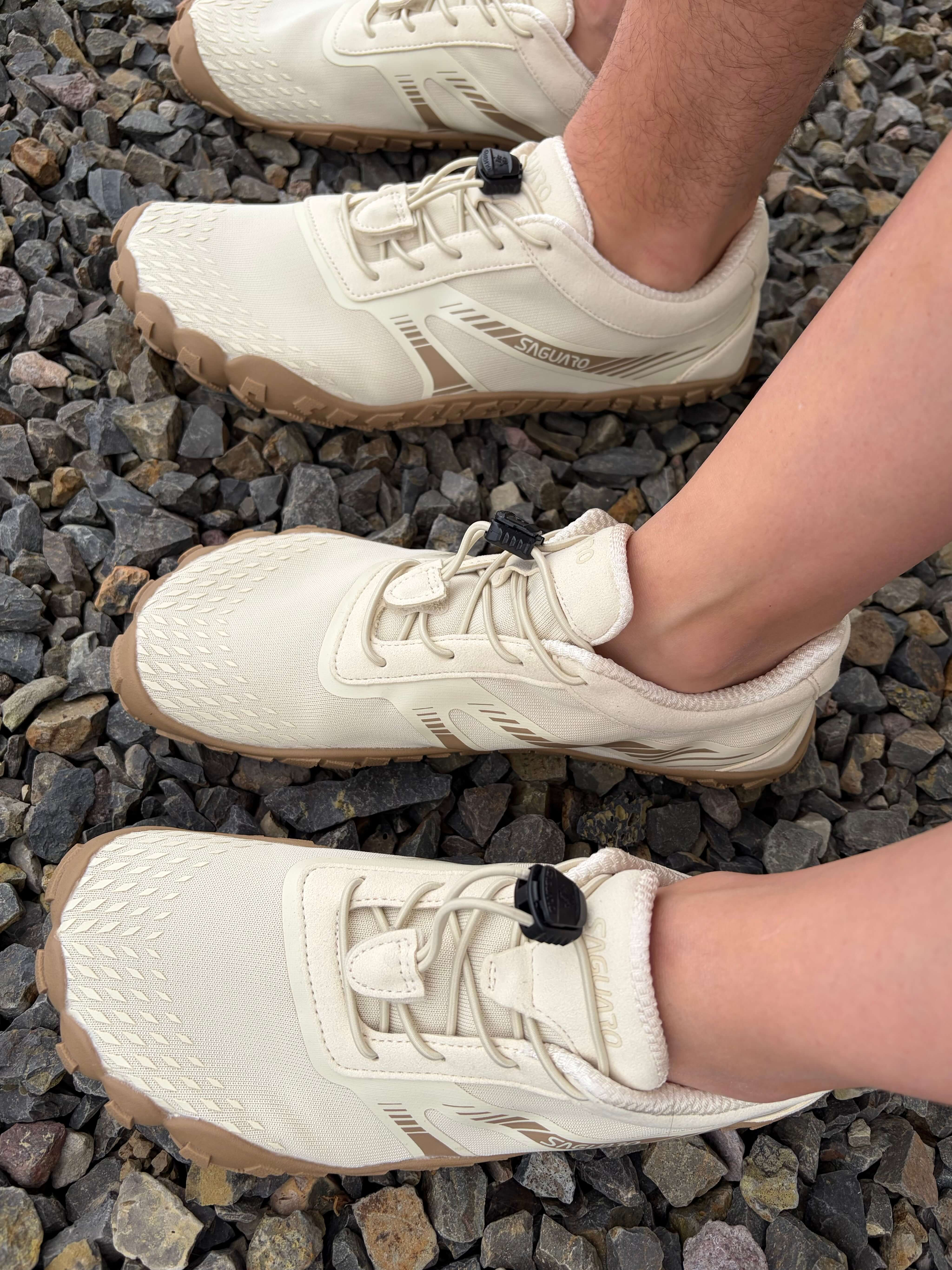
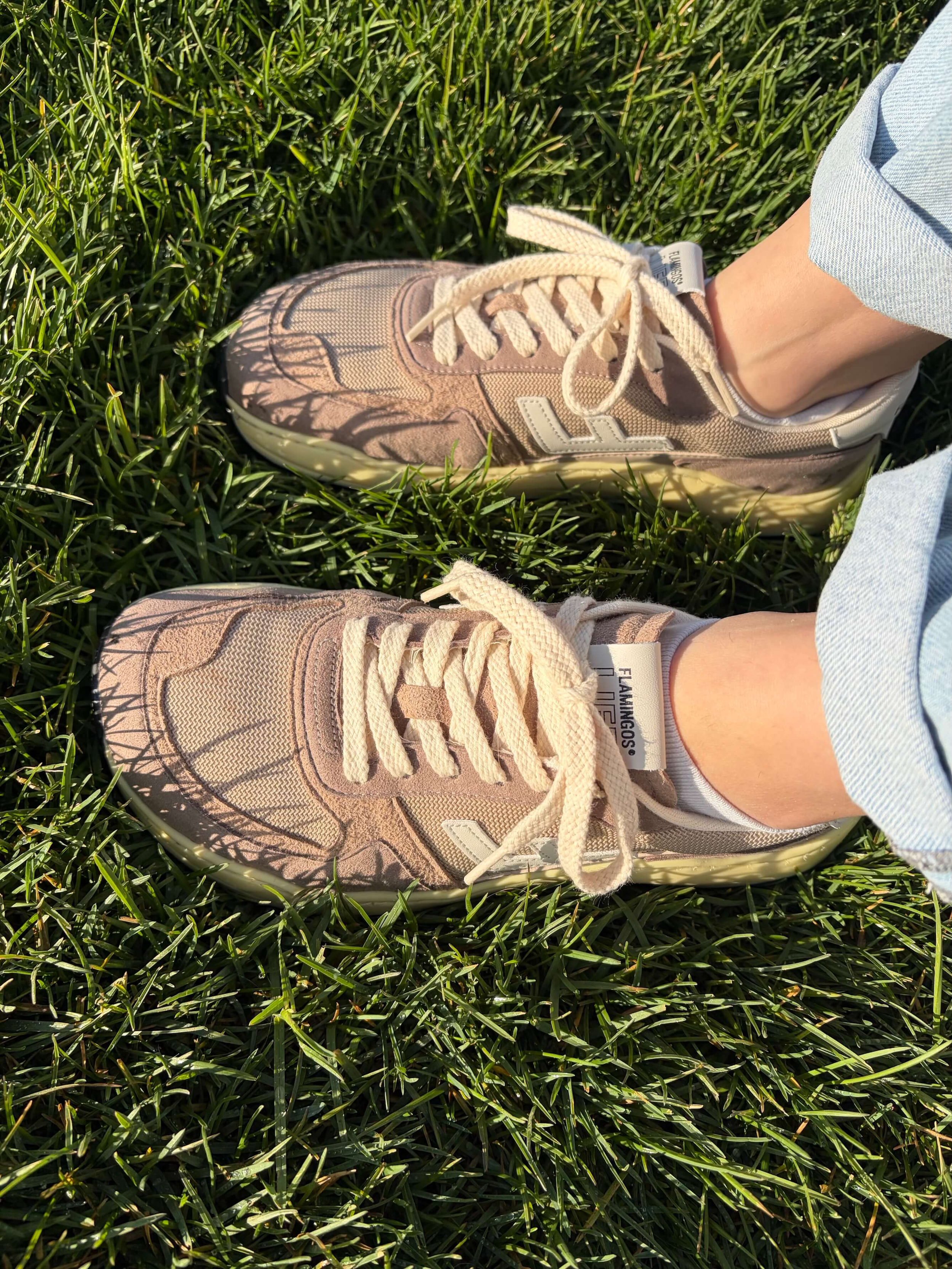
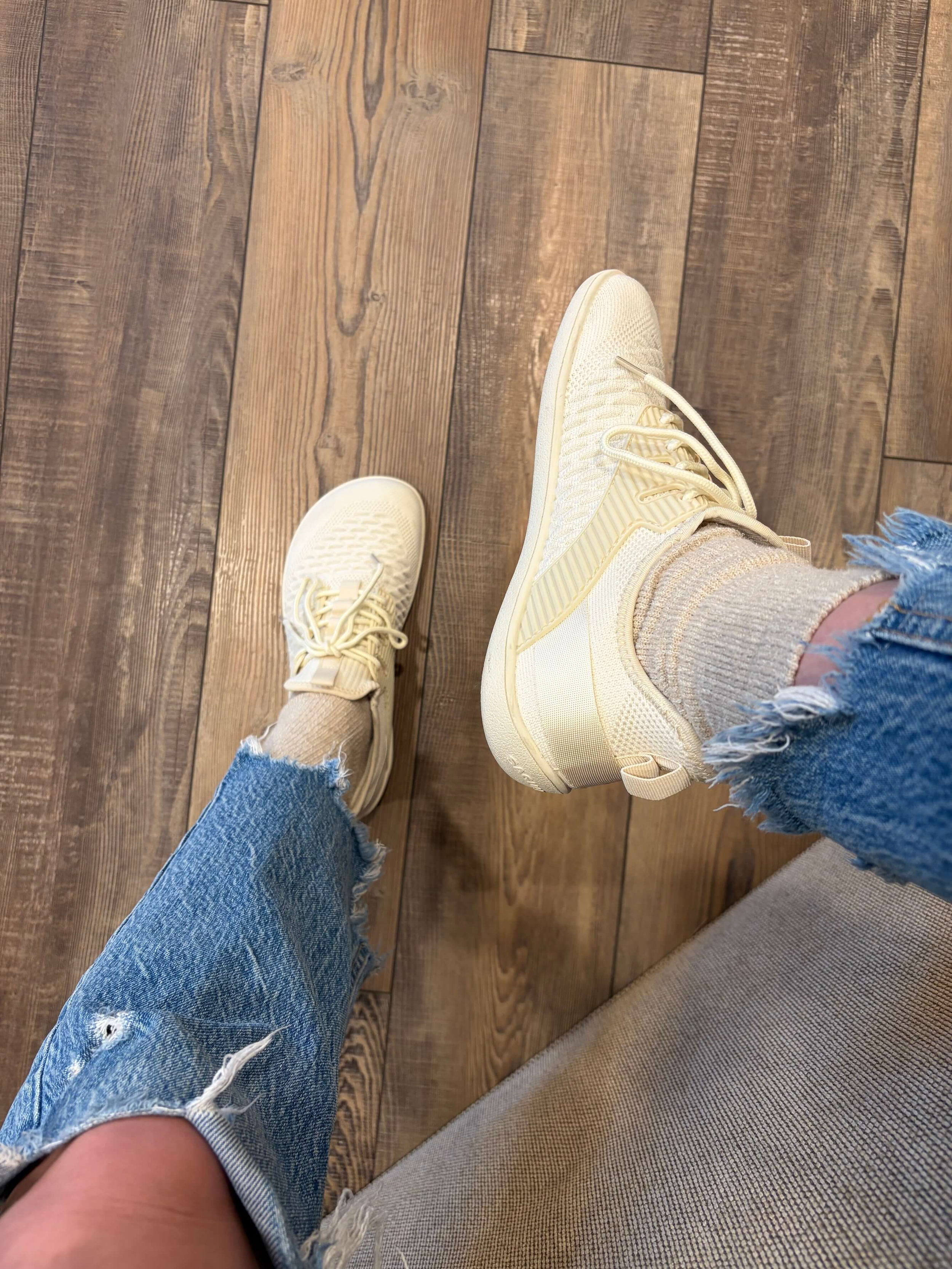
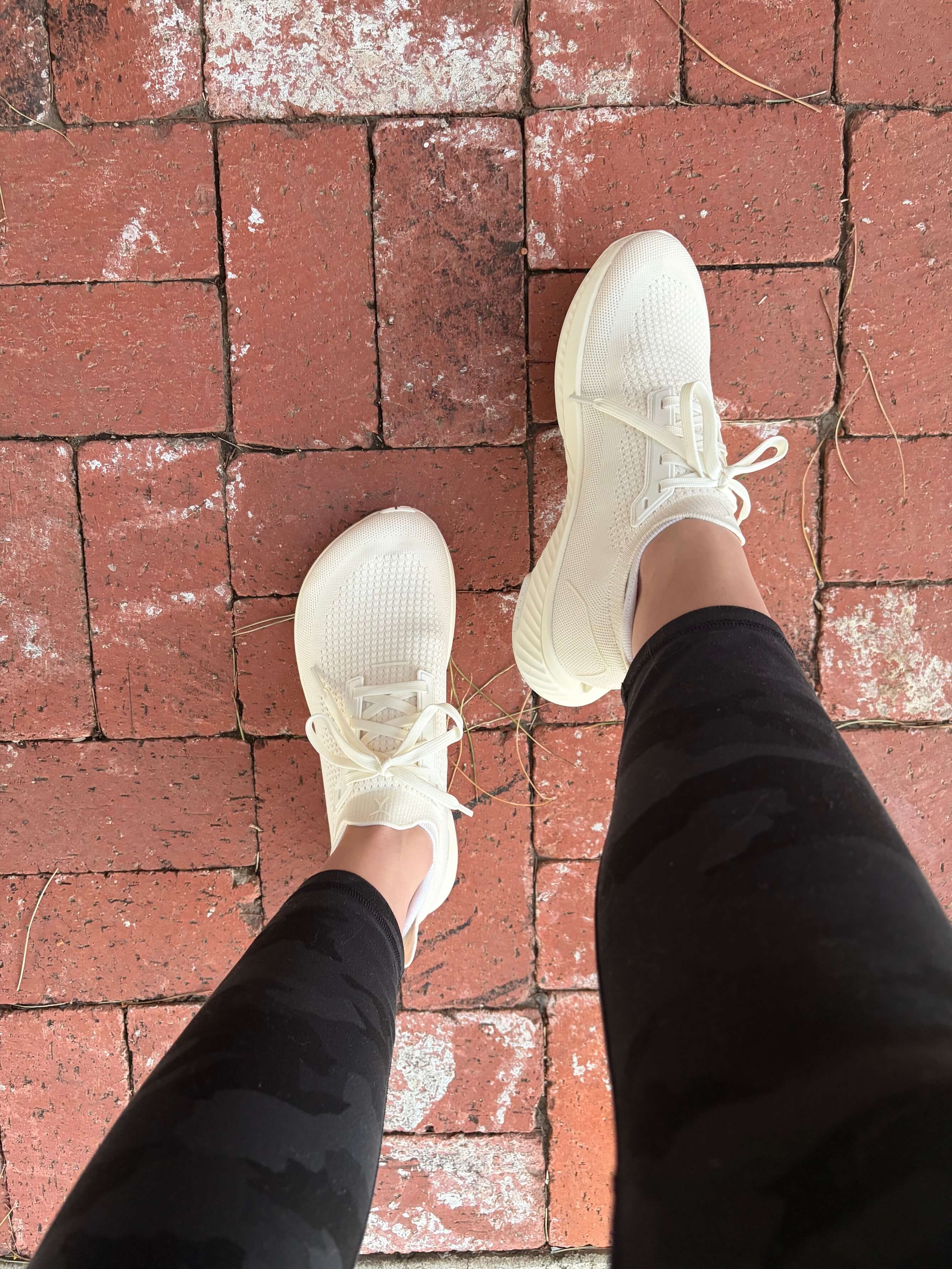
Stylish, minimalist design – I love the Horchata colorway. It’s intentionally minimal and pairs effortlessly with casual wear.
Supports natural foot movement – the flexible sole and wide, foot-shaped toe box let my toes spread and move naturally while walking, engaging foot muscles and reinforcing proper foot anatomy.
Transitional sweet spot – while I personally prefer very thin soles for maximum ground feel, I can see why the Adapt Runner works well for others. It strikes a thoughtful balance between barefoot style and a runner with cushion, making it approachable for anyone easing into barefoot or minimalist running shoes.
The combination of sleek, monochrome aesthetics and functional minimalist design makes these shoes feel intentional and versatile.
People Also Ask
Q: Do Flux Footwear shoes help strengthen foot muscles?
A: By allowing your toes to splay and your feet to move naturally, the Adapt Runner engages muscles in the arches, toes, and lower legs more than conventional shoes. This can support overall foot strength over time, especially if you’re gradually transitioning from traditional running shoes to barefoot shoes.
Q: Can I wear these shoes for long runs, or are they better for short distances?
A: They’re versatile enough for both. If you’re new to barefoot or minimalist shoes, start with short runs or walks and gradually increase distance over time.
Q: Are Flux Footwear shoes suitable for everyday wear?
A: Absolutely. The flexible sole, roomy toe box, and minimalist, monochrome design make them comfortable and stylish for daily life. They let your feet move naturally while still offering a little cushion, which some people who are new to barefoot shoes prefer.
Q: Can I use Flux Footwear shoes as gym shoes?
A: Yes! Their flexible sole and natural foot movement make them suitable for strength training, light cardio, or functional fitness exercises. The wide toe box and zero-drop design help with balance and stability during workouts.
Again, I prefer truly barefoot gym shoes with thin soles for ground feel, but these are still a great transitional option.
Q: How do Flux Footwear shoes compare to Vivobarefoot or Xero Shoes?
A: Flux Footwear offers more cushion and a more forgiving ground feel, making them a great option as a transitional barefoot shoe. Vivobarefoot and Xero Shoes are thinner, providing stronger sensory feedback and more direct ground feel—better suited for experienced barefoot runners who want maximum foot engagement.
You can read my in depth Vivobarefoot and Xero Shoes reviews here.
Final Thoughts: Who Should Try the Adapt Runner
If you’ve been curious about barefoot or minimalist running but aren’t ready to dive into ultra-thin soles, Flux Footwear’s Adapt Runner is a gentle introduction. They balance:
Wide, natural toe box
Zero-drop, flat sole
Moderate cushioning
Flexible, supportive design
For anyone starting their barefoot journey and wanting a more natural feel without sacrificing cushion, these shoes are a solid choice. They may not be the most extreme minimalist option, but that’s what makes them approachable for many—and a great starting point for long-term foot health.
→ Shop the Adapt Runner on Amazon
Latest on the blog