Are Barefoot Shoes Actually Good for Your Feet?
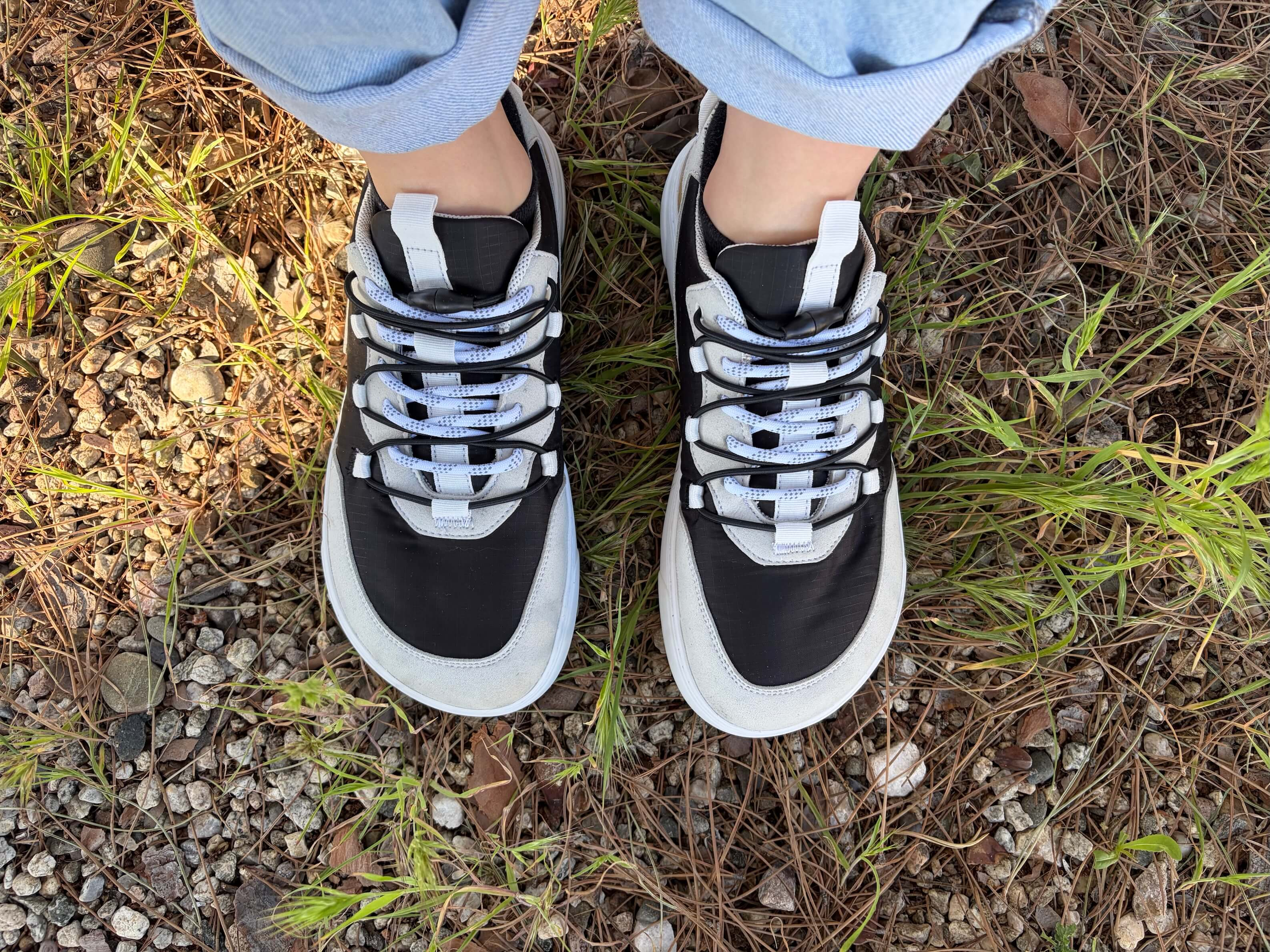
If you’ve ever wondered whether barefoot shoes are actually good for your feet, you’re not alone. Barefoot shoes promote stronger muscles, better posture, and a more natural gait — but is it really worth making the switch?
As a mom — and nurse — who spends long days on my feet, I wanted a clear, honest answer. In this post, we’ll explore what barefoot shoes do for your feet, who benefits most, how to transition gently and why I will never go back to "regular shoes" again.
The Science of Foot Health and Barefoot Shoes
Barefoot shoes are designed to let your feet move naturally, rather than forcing them into the restrictive shape of traditional footwear. The key design features include:
Zero-drop soles – no height difference between heel and forefoot, promoting natural posture and alignment.
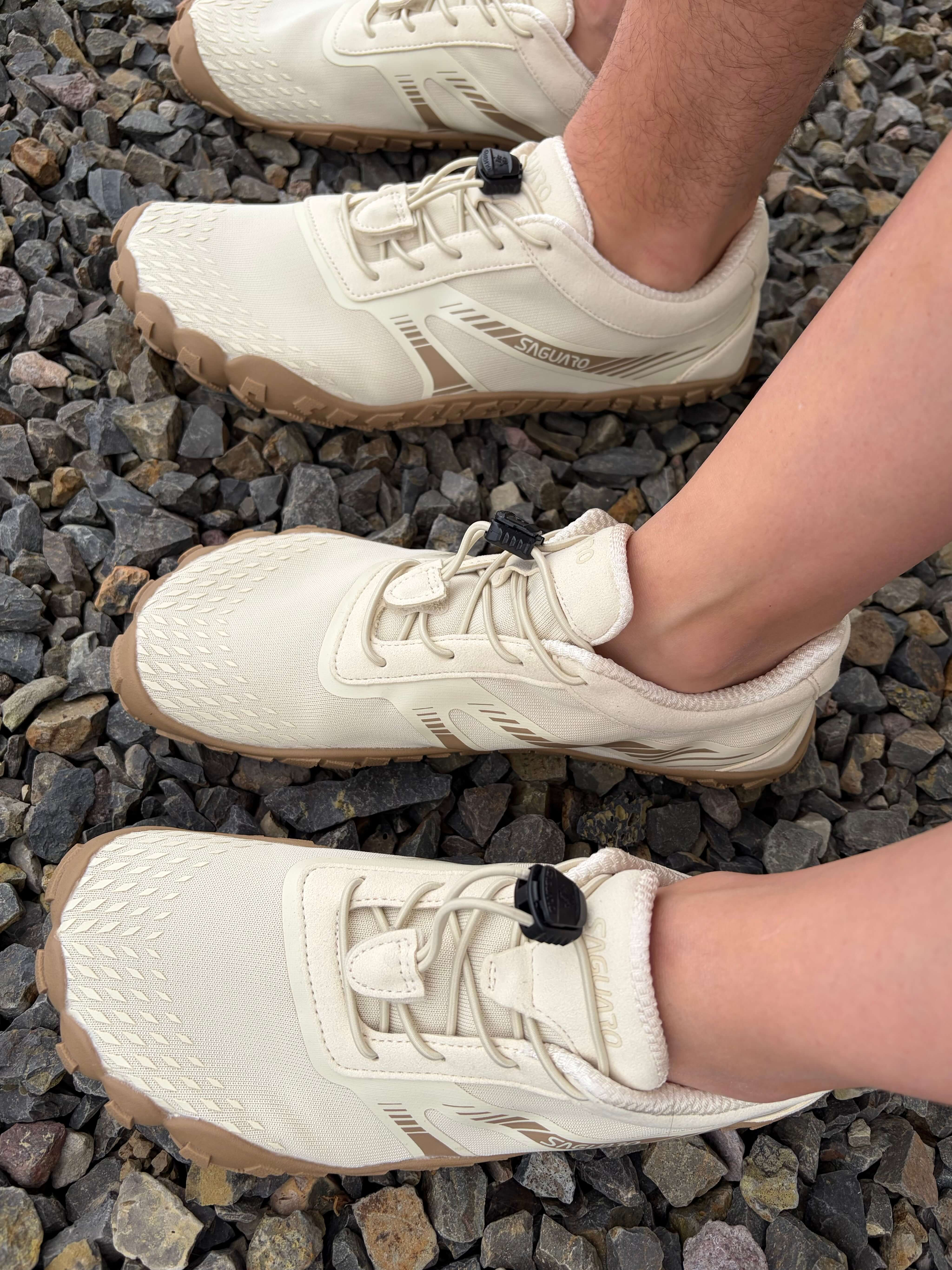
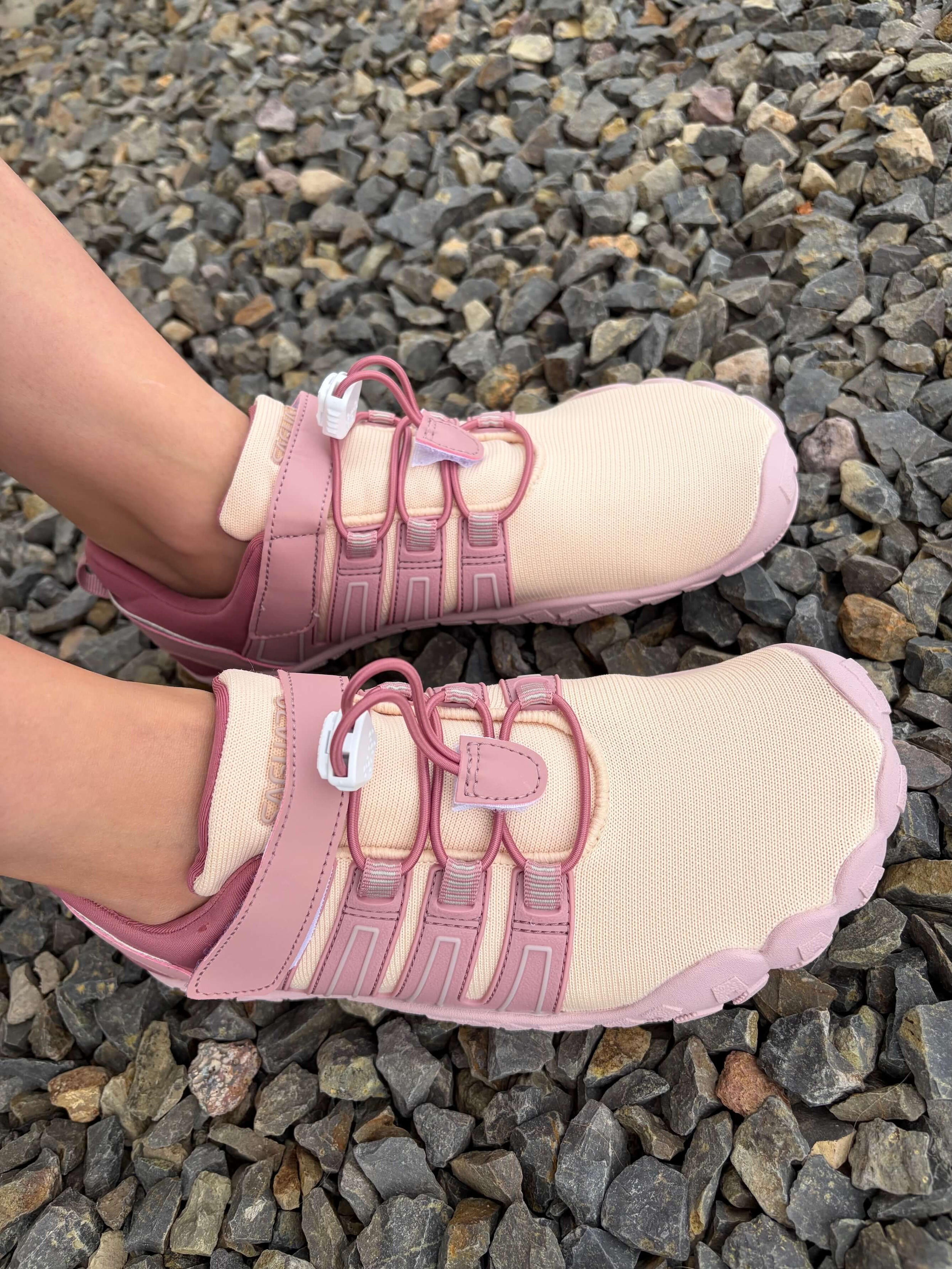
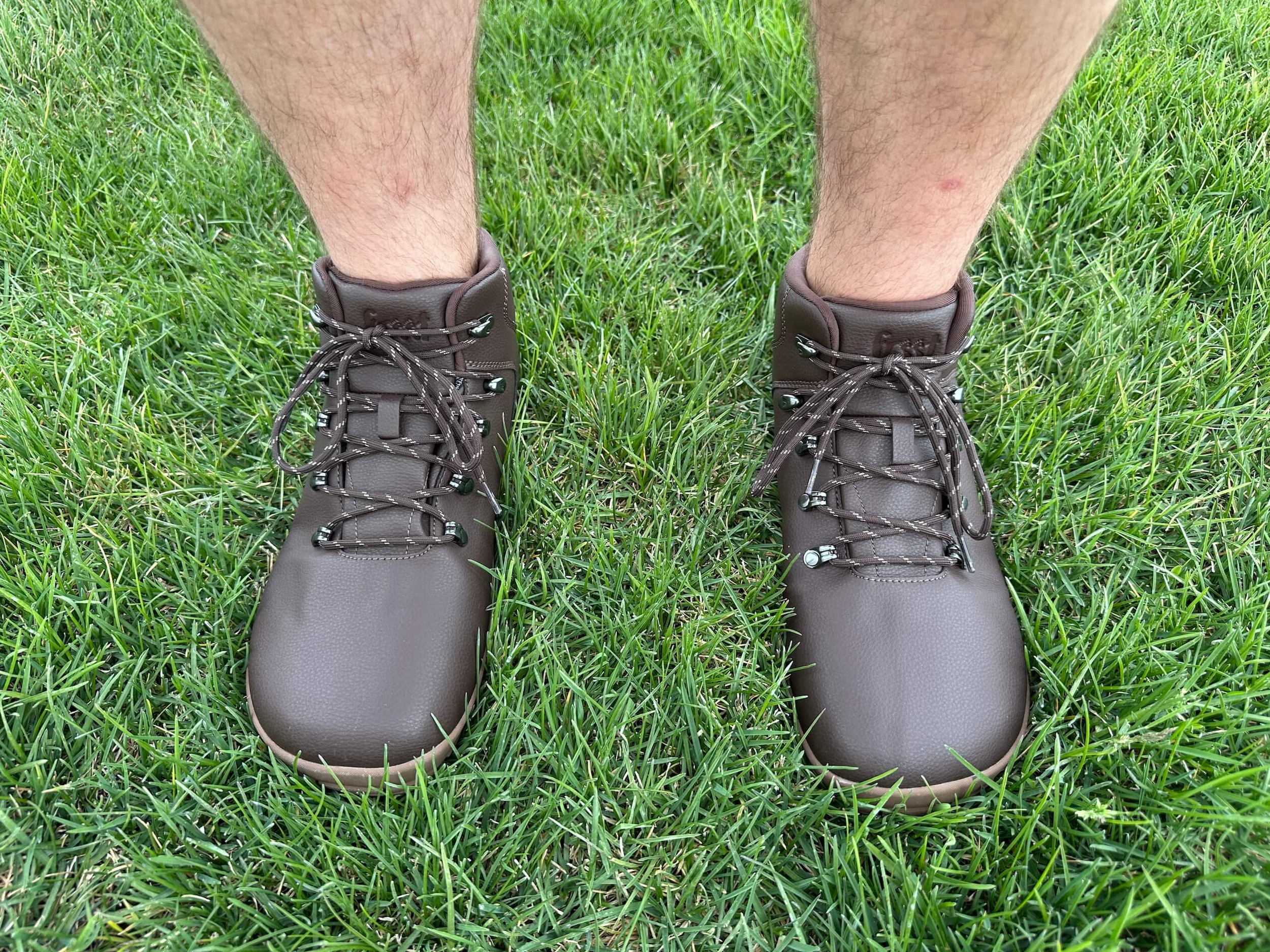
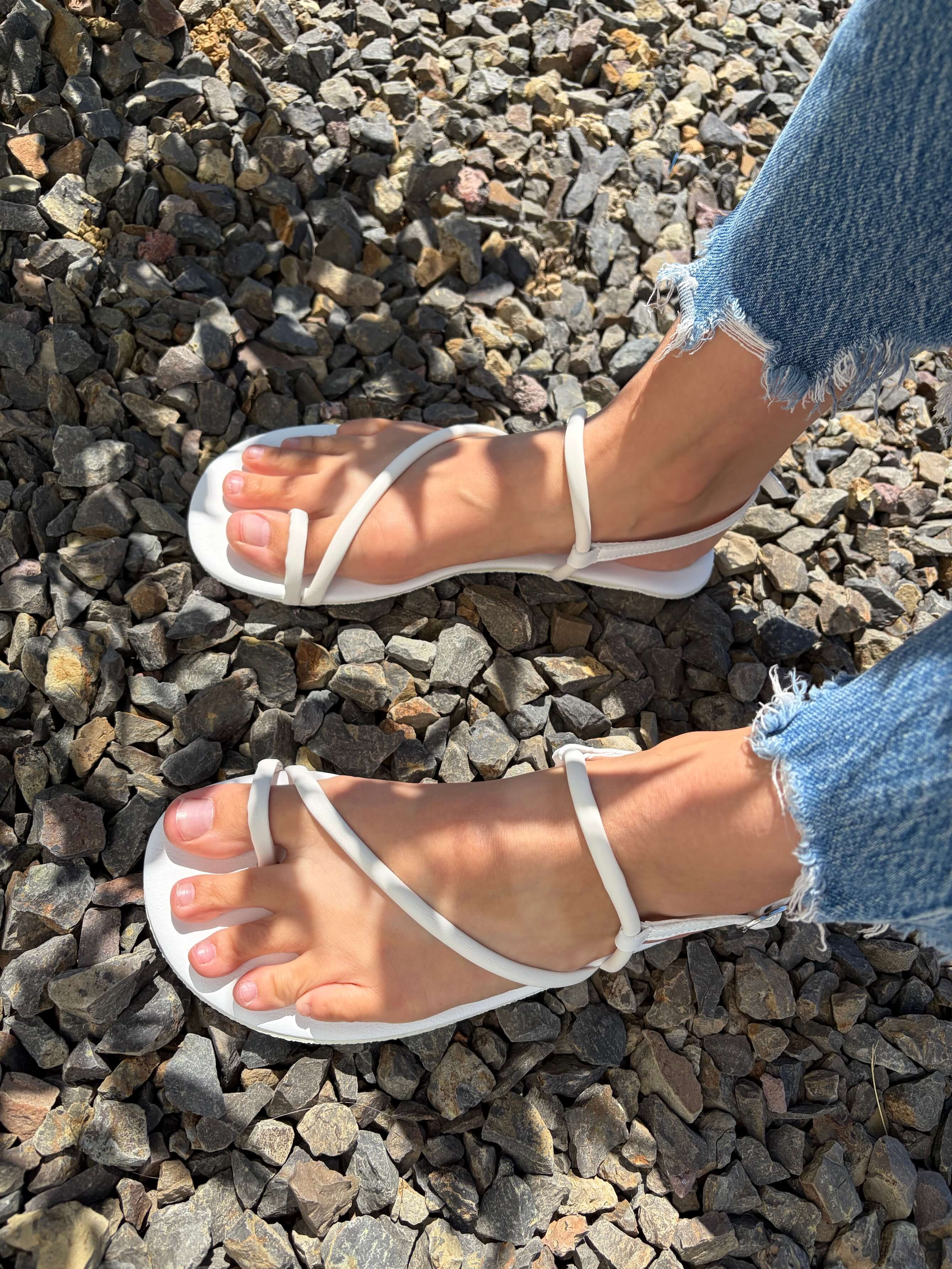
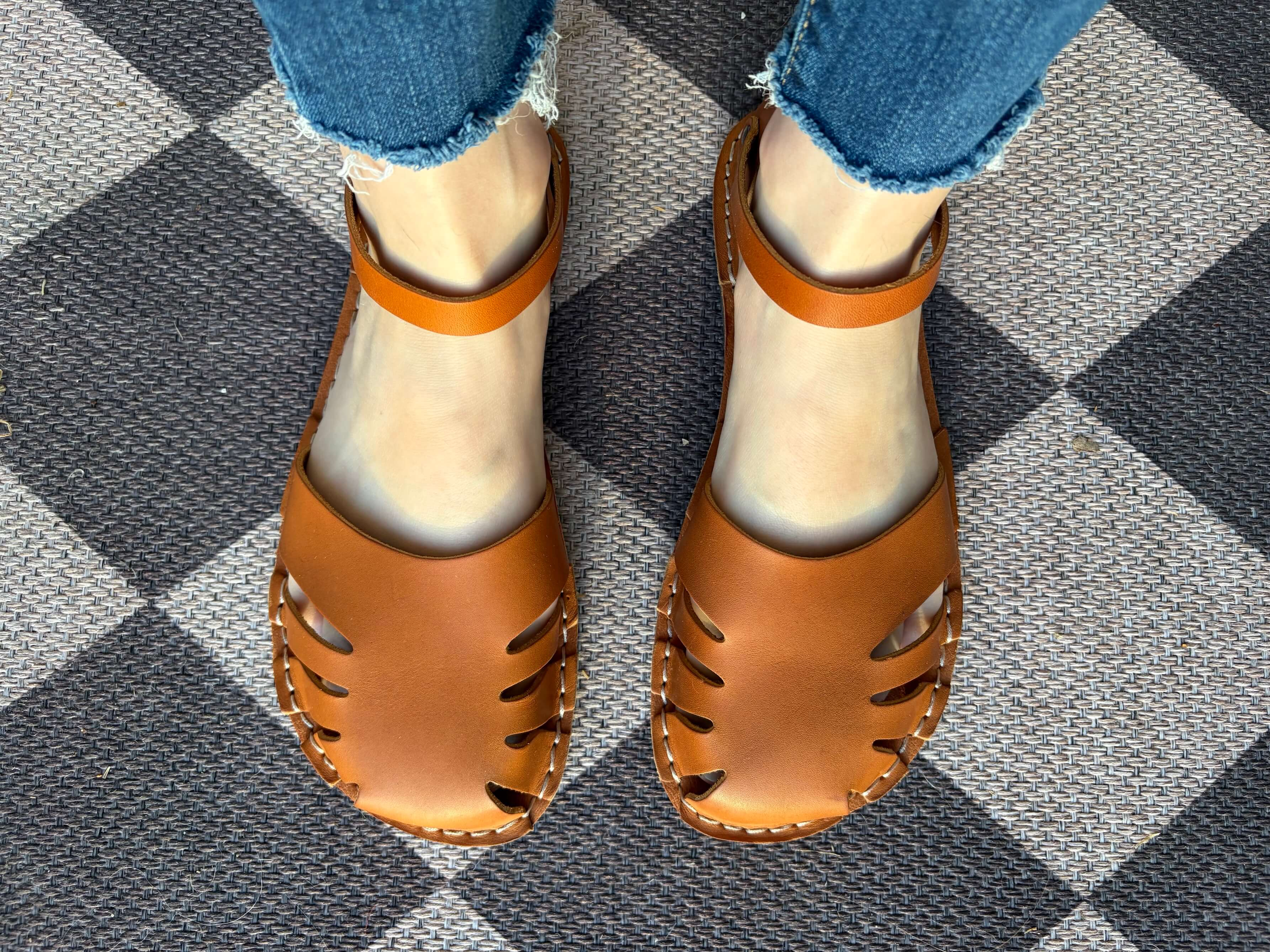
Wider toe box (foot-shaped) – let your toes spread, strengthening muscles and improving stability.
Flexible, thin soles – allow your feet to sense the ground and adapt to uneven surfaces.
Together, these features engage foot muscles that are often underused in conventional shoes. Over time, this can improve balance, reduce fatigue, and even help prevent common issues like shin splints and plantar fasciitis.
Research also supports the health benefits of barefoot or minimalist footwear for muscle activation and natural movement patterns.
Want to learn more about the science behind barefoot shoes? Check out Vivobarefoot’s research on how natural movement (unrestricted by shoes) benefits your feet and body.
Who Barefoot Shoes Are For
If you’ve ever struggled in stiff, narrow shoes, barefoot shoes might be for you too. I didn’t start wearing them overnight — for years, I crammed my feet into “traditional,” unnaturally shaped shoes, thinking that was my only option. Slowly transitioning to barefoot shoes, along with improving the overall strength of my foot muscles, changed everything: my feet felt freer, my posture improved, and over time, my toes and arches began to return to their natural shape.
Barefoot shoes can be a great fit for a wide range of people, including:
Anyone with wide or sensitive feet – generous toe boxes let your toes spread naturally, making every step feel more comfortable.
Moms, caregivers, and busy movers – long days on hard floors or chasing little ones feel a lot easier when your shoes are flexible, supportive, and let your feet move naturally.
Casual hikers and outdoor lovers – barefoot shoes give your feet real-time feedback from the ground, helping you adapt to varied terrain safely and confidently.
Anyone looking to improve foot health – zero drop designs support better posture, encourage natural movement, and gradually strengthen foot muscles.
No matter your lifestyle or activity level, barefoot shoes can be a supportive, comfortable, and even fun way to reconnect with your feet.
At the same time, barefoot shoes might require extra caution for people with:
Severe structural issues, like very flat feet or rigid arches
Recent injuries, stress fractures, or acute plantar fasciitis
Chronic foot, balance or mobility conditions
If you have any preexisting conditions that affect your feet, balance or mobility, I always recommend checking in with a medical professional before trying barefoot or minimalist footwear.
Transitioning to Barefoot Shoes Safely
If you’re moving from traditional shoes to barefoot or zero-drop footwear, it’s helpful to give your feet a little time to adjust. Many of the muscles in our feet have been “lazy” for years, thanks to stiff soles, arch support, and heavy cushioning. When you start letting your feet do their natural work again, those muscles need time, patience, and a little love — just like any other muscle in your body.
Here’s a gentle approach to help your feet ease into barefoot shoes:
Start slow – wear your barefoot shoes for 10–15 minutes at a time on soft surfaces like grass or dirt. This helps your muscles wake up gradually.
Increase gradually – add a few minutes each day as your feet and legs adjust.
Pay attention to your body – mild soreness is normal as your muscles start working, but take a break if anything feels uncomfortable.
Foot exercises – simple movements like toe spreads, calf stretches, and arch lifts support the muscles your shoes are designed to engage.
Taking a mindful approach helps your feet grow stronger and more flexible over time. Even if it’s your first time trying minimalist footwear, the benefits — healthier, more resilient feet and improved posture — are worth the gradual adjustment.
Everyday Benefits: From Daily Wear to Long-Term Health
Wearing barefoot shoes in your everyday life offers more than just comfort — they help your feet, posture, and overall body feel better in small, noticeable ways.
Stronger feet – by engaging muscles that have been underused in traditional shoes, your feet become more stable and resilient.
Better posture – zero-drop shoes support natural alignment, helping your body stand, walk, and move more efficiently.
Improved balance – wide toe boxes let your toes spread and grip, giving your feet more control on uneven surfaces.
Enhanced ground feel – thin, flexible soles connect you to the terrain, from sidewalks and playgrounds to forest trails.
Barefoot shoes also support your joints over time. Shoes that alter natural movement can affect knees, hips, and lower back. By encouraging a more instinctive walking gait, barefoot shoes reduce stress on joints and support long term foot health.
Even casual daily wear benefits from these features — whether you’re running errands, chasing kids around the playground, or enjoying a nature walk. With the right fit and a thoughtful transition, barefoot shoes can easily become your go-to for comfort, movement, and everyday adventures.
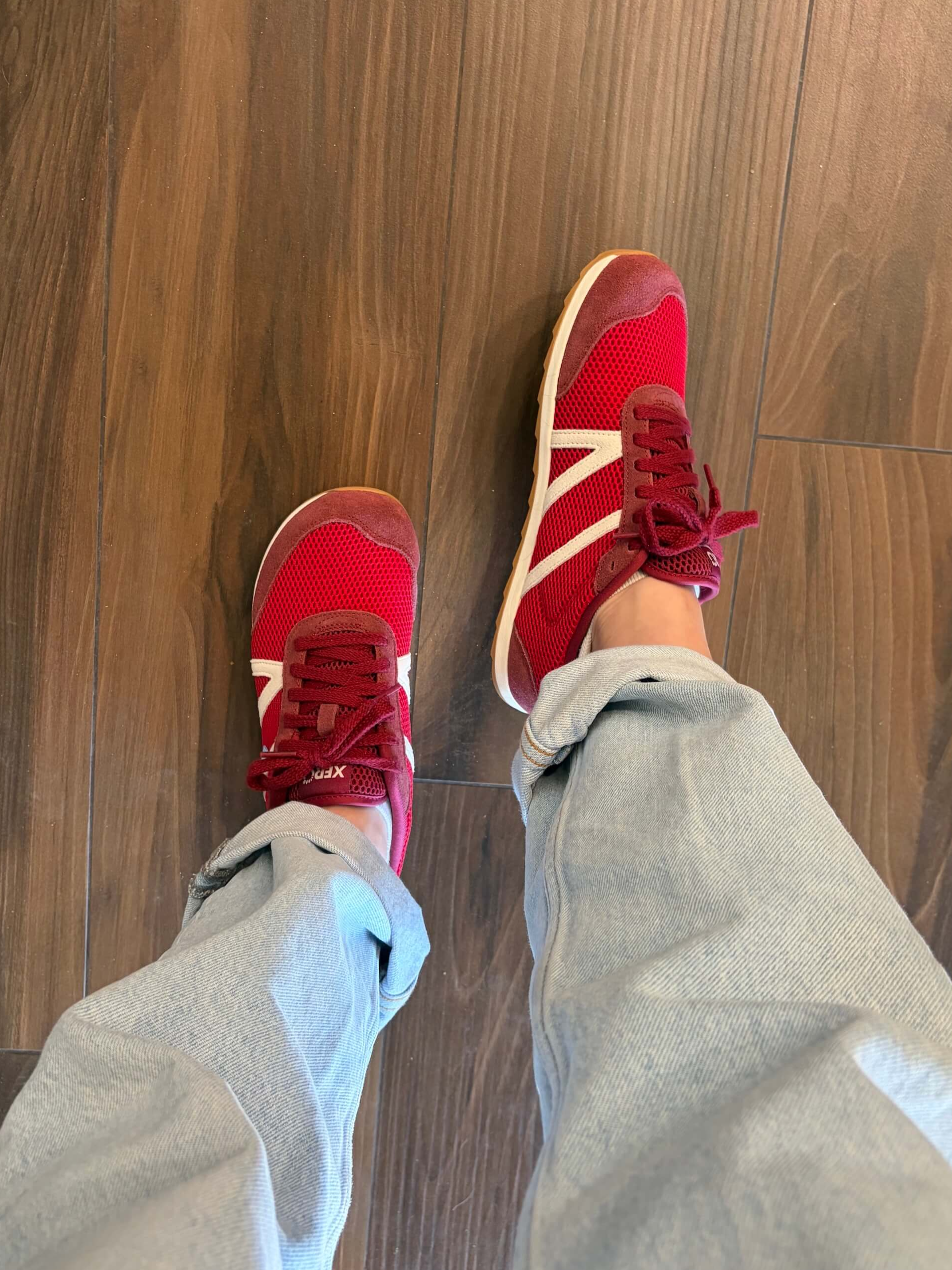
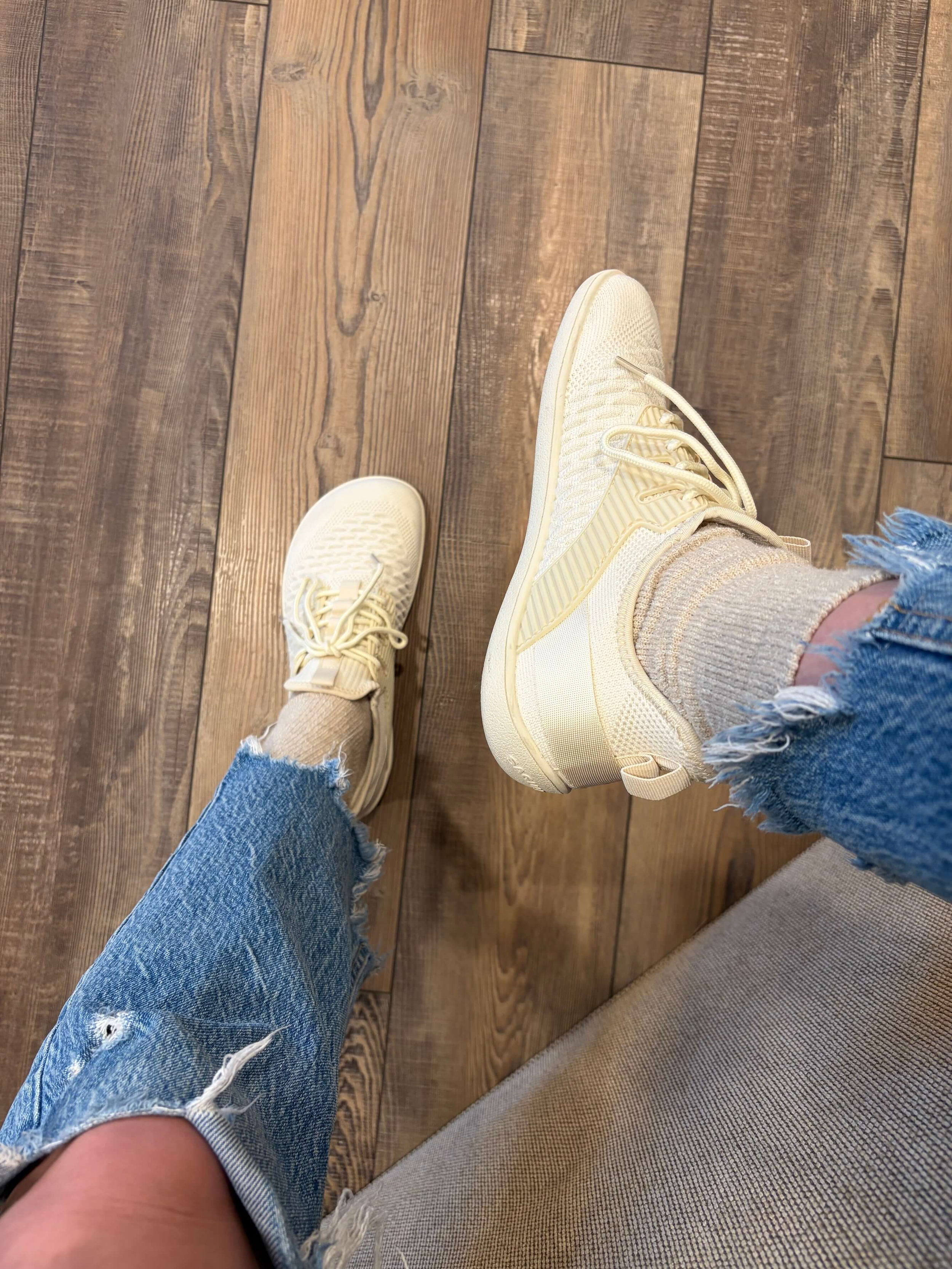
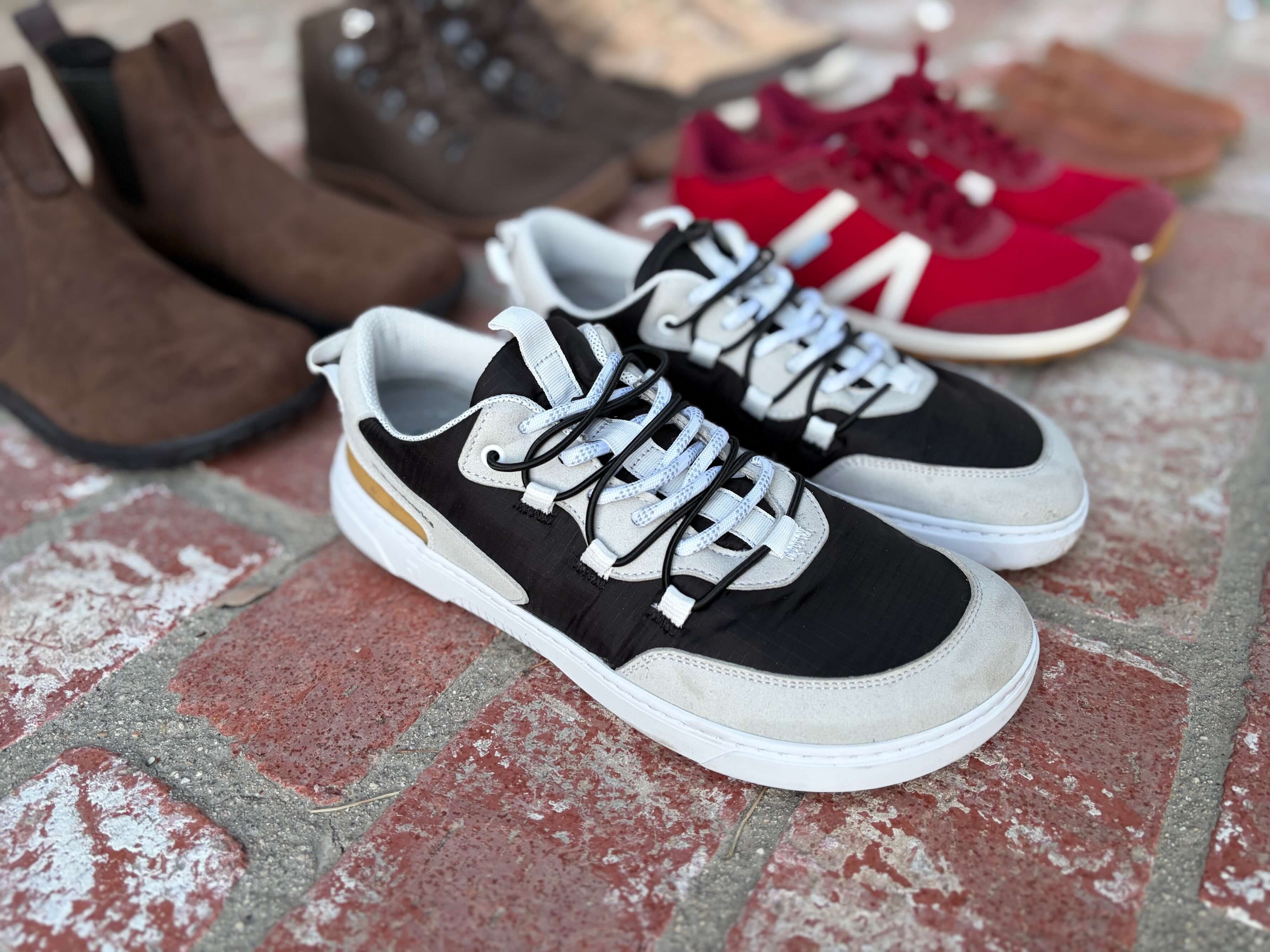
Looking for a barefoot sneaker that’s stylish, comfy, and wearable every day? Read my full Xero Shoes review to see why the Wynn Retro Sneaker is my new go-to.
Frequently Asked Questions About Barefoot Shoes
Q: Can barefoot shoes make my feet stronger?
A: Absolutely — wide toe boxes, zero-drop soles, and thin, flexible designs encourage your foot muscles to work naturally. Over time, this natural foot movement builds stability, strength, and resilience — improving your overall foot health — which the "extra support" in traditional shoes often suppress.
Q: Can barefoot shoes improve posture and balance?
A: Yes — by letting your feet move and spread naturally, barefoot shoes support better alignment and enhance balance. Many people notice more effortless, confident movement in everyday life, from nature walks to chasing kids at the playground.
Q: What is ground feel and why does it matter?
A: Ground feel is your ability to sense the surface beneath your feet through thin, flexible soles. The “lack of cushioning” that sometimes worries people actually allows your feet to connect more directly with the ground. This feedback helps your feet react to different terrain, improves balance, and encourages natural movement — all while keeping you in tune with your environment in a way most cushioned shoes simply can’t.
Q: How do barefoot shoes feel compared to traditional sneakers or boots?
A: Barefoot shoes feel lighter, more flexible, and far less restrictive than traditional, overly supportive shoes. Your feet actually have room to move naturally with each step, which makes movement more comfortable and even enjoyable.
Q: Can barefoot shoes be worn all day comfortably?
A: Yes — once you transition gently into them, barefoot shoes can easily be your all-day footwear. I exclusively wear barefoot shoes now, and I wouldn’t have it any other way.
Q: Are wide toe box shoes the same thing as barefoot shoes?
A: Not exactly — while wide toe boxes are an important feature of barefoot shoes, they’re just one piece of the puzzle. Barefoot shoes also have thin, flexible soles and zero-drop designs that encourage natural movement and engage your foot muscles. Wide toe boxes alone feel more comfortable, but barefoot shoes give your feet the full range of benefits for strength, balance, and connection to the ground.
Confused about the difference between zero-drop, barefoot, and minimalist shoes? If you want to dive deeper into what makes a shoe truly “barefoot,” check out What Are Barefoot Shoes? The Truth About Natural Footwear for a full breakdown.
Barefoot Shoes as an Investment in Long-Term Foot Health
Barefoot shoes aren’t just shoes — they’re a tool for stronger, healthier feet. By promoting natural movement, they:
Engage intrinsic foot muscles
Improve posture and balance
Reduce reliance on thick soles or structural support
Provide long-term benefits for lower legs, knees, and back
Studies show that just six months of daily activity in minimalist footwear can significantly boost foot strength — in fact, one research project found an average increase of over 57%. For more details on how consistent barefoot shoe use can transform your feet, check out this informative article from Bearfoot.
Why I Will Never Go Back to “Traditional” Shoes
After years of wearing barefoot shoes, I can honestly say I’ll never go back to normal shoes. The difference in how my feet feel — and how my whole body moves — is remarkable.
My feet are stronger, my posture feels better, and I actually notice a sense of connection to the ground with every step. Whether I’m running errands, hiking with the kids, or just strolling around town, my feet fatigue less and my gait feels more natural.
Gone are the days of cramped toes in narrow toe boxes, thick cushioning that hides sensory feedback, or shoes that leave my lower legs sore. Barefoot shoes encourage natural movement, strengthen underused muscles, and support foot health in a way traditional shoes simply can’t.
For me, the long-term benefits far outweigh the short adjustment period years back. Every step is a reminder that choosing shoes that respect my feet’s natural shape and mechanics is an investment my body will thank me for years to come.
Want a deeper understanding of what barefoot shoes are and how they work? Read my full guide to barefoot shoes and the truth about natural footwear.
Final Thoughts
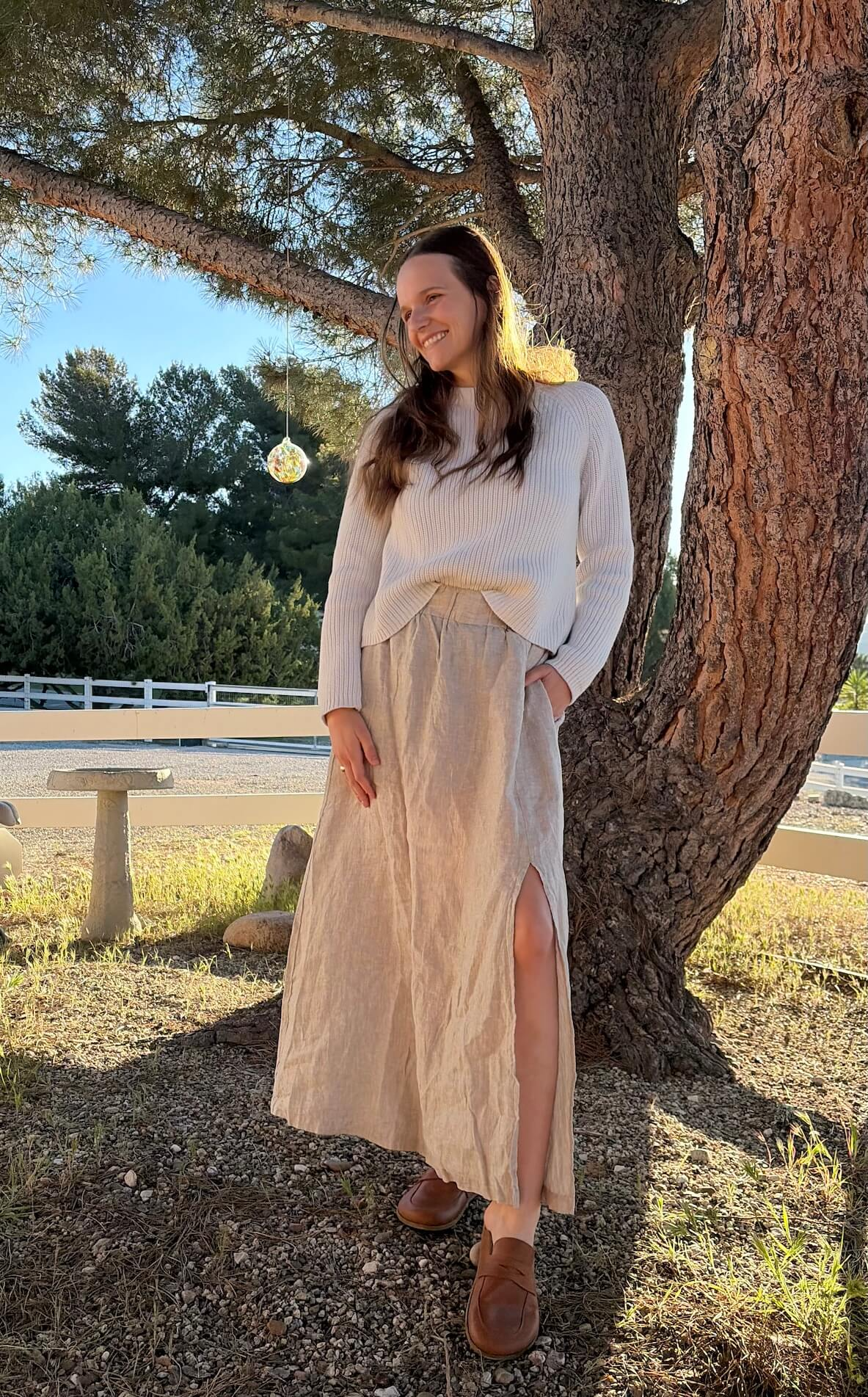
Barefoot shoes can feel like a small change, but they make a big difference — and they’re worth trying for anyone curious about more natural, comfortable movement.
They encourage your feet to move freely, strengthen muscles that have been underused, and support better posture and balance — all while letting you feel the ground beneath your feet. The key is picking the right shoe, making sure it fits well, and gradually building wear time so your feet can adapt gently.
Even a little time spent in barefoot shoes each day can help your feet feel stronger, more energized, and more connected to your body. Your feet carry you every day — giving them the freedom, space, and support to move naturally is a gift anyone can benefit from.
Switching to barefoot shoes is only part of the equation. The socks you wear can make a surprisingly big difference in comfort and toe alignment, too. I rounded up my favorite foot-shaped socks that actually allow natural toe splay.
Latest on the blog